

Gaining a Better Understanding of Advance Directives and Medical Necessity
Health systems should consider not only the ailment inflicting the patient, but the person being impacted by this care and what this means to them.
Article published on RACmonitor.com April 6, 2022
Listening to one of our hospital partners describe rounds with complex cases, I heard of the following scenario: the patient was an 80-year-old male with advanced dementia, living in a nursing home with his wife, on day 20 in the hospital following an infection that impacted his previous shoulder replacement hardware, requiring removal and an antibiotic spacer. The patient also had a prior hip surgery and now had his infection impact this implant as well, requiring a replacement. The patient was found to have needed at least six weeks of IV antibiotics and another surgery for his shoulder, following completion of the antibiotics. Patient was still primarily bed-bound; his arm was in an immobilizer. The patient will need post-acute placement for IV antibiotics; however, due to his cognitive level, they were having difficulty placing him, and he became too acute to return to his nursing home. The patient was stable for discharge; however, they were unable to find an accepting facility, given his new level-of-care needs, thus rendering him unable to return to his home or his wife.
Understandably, there are a lot more details to this case that we will not cover in this article. However, the questions I asked the team at rounds was, “what was the patient’s goals of care?” and more specifically, “what were his advance directives?” Did this gentleman and/or his wife want to go down the road of significant treatment during this hospitalization? What does his future look like, knowing he will return to the hospital for more high-risk surgeries? The group replied, “we don’t know!” – and guess what, the chart did not know either. Granted, in the pressure involved with securing beds, the intention of the meeting was about “why has this patient not left yet?” However, as case managers, we are stewards to not only the progression of care, but also the utilization management of the organization. We must follow a standard of care to advocate on behalf of our patients.
Now, say the patient and/or wife said yes, we want to do everything. Then this example may look very different as it relates to the questions. Does the wife understand what “do everything for her husband” means? However, it was clear that this was a process error, with failure to stop and ask the necessary questions. When we consider value in care delivery, we must examine outcomes, which Dr. Hirsch confirms are incredibly hard to define. I will ask, “what is the likely outcome of this patient, and the intended impact to his already declining quality of life?”
Enacted in the 1990s, the Patient Self-Determination Act requires that hospitals and post-acute providers ask patients if they have an advance directive or a medical power of attorney, and/or check on their wishes prior to medical treatment. The intent of the law is to provide an opportunity for adults to express their desires about medical treatment in advance, and to educate the entire population on advance directives. Additionally, outpatient providers are incentivized financially through CPT® code 99497 to have advance directive conversations with their patients. However, a 2020 review of more than 60 high-quality recent studies on advance care planning found no impact on whether patients received the care they wanted, or how they rated the quality of their lives afterward.
In the quest for medical necessity and the pressure for achieving the appropriate level of care, I encourage our health systems to consider not only the ailment inflicting the patient, but the person being impacted by this care and what this means to them. Quoted from Dr. Daniela Lamas, in her New York Times essay “A Better Way to Face Death,” maybe we should be asking how our patients want to live, instead of how they want to die.
So today I ask, do you think the current process of obtaining advance directive information in your health system is having an impact on your hospital’s outcomes?
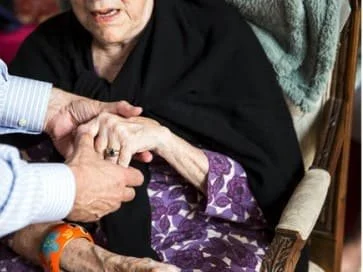
The Nursing Home Crisis Continues to Unfold
The president’s State of the Union address adds a sense of urgency to this crisis in America’s healthcare system.
The article ran on RACmonitor.com on March 16, 2022
Coming off another week working inside the hospital walls in my case management world, I have another topic to discuss related to President Biden’s initiatives – specifically, Biden’s pledge to provide the country with better nursing homes. I am sure we all remember the horrific news of elderly residents dying of COVID during our first wave of the pandemic. By the end of 2021, approximately 200,000 long-term care residents and staff members had died of COVID, which equates to nearly a quarter of all our COVID deaths thus far.
The focus on quality ratings and educating our communities on post-acute services had started before COVID, when the Centers for Medicare & Medicaid Services (CMS) began publicly reporting skilled nursing facilities’ (SNFs’) star ratings in late 2018. Then, in late 2019 came CMS’s ruling and updates for discharge planning requirements, to include quality measures or ratings as part of the patient choice process for post-acute placement. Under value-based arrangements, many hospitals and health systems started working in collaboratives across the continuum to elevate performance and help improve quality of care for their patients going to post-acute care.
However, the level of mortality with COVID is requiring more muscle. The Biden Administration intends to conduct research this year regarding the minimum required staffing levels at nursing homes, and potentially roll out mandates for all facilities shortly thereafter.
CMS plans to require the phasing out of shared rooms, particularly addressing facilities that have three or more residents in a room. They are also planning to beef up their penalties, reporting requirements, and scrutiny of nursing homes, especially those that are owned by private equity firms. In fact, private equity firms that own poorly performing nursing homes could face significant penalties, including permanent legal implications.
The need to improve care for our elderly is dire. However, as we continue to face significant staffing shortages across hospital systems, I am unsure where the staff is going to come from for nursing homes. Patients often are sitting in hospitals waiting for days for a bed to open at a post-acute facility, because of limited staffing. With limited bed availability has also come an ample supply of patient referrals for top-choice facilities. The unintended consequence is that facilities can pick the best patients from the pile, which means that those who are more complex or underinsured sit in the hospital as unlikely candidates for placement.
Case managers are working with patients and families to send referrals out to outlying communities and across regions to see who is willing to accept a patient to free up a hospital bed. Often, the choices available for placement are not five-star facilities. Imagine the physician and case manager telling a family that they are ready to discharge a loved one to a two-star or one-star facility, because those are the only ones available that take their insurance and have a bed available.
This is a conversation we have all too often. And thus, the patient and family naturally request to stay in the hospital, where they feel they will be safer and more cared for until another facility becomes available, or they can figure out how to go home and access home care services.
So today I ask, how many of you think that SNFs will be prepared to increase staffing ratios for patient care by the end of the year? For the results of the survey, click here.

Findhelp Emerges as Leading Service to Help Providers Address the SDoH
SDoH service is now ranked number one by KLAS Research.
Reported on RACMonitor, and Monitor Monday SDoH segment.
These are some of the latest updates regarding the social determinants of health (SDoH), and how our readers and listeners can get involved and seek out more information beyond data collection to produce valuable outcomes.
The SDoH are making their way into the technology world via providers finding ways to integrate them with electronic medical records (EMRs), creating a closed loop referral process for providers to connect patients with community resources. Today, we celebrate Findhelp.org for being ranked the No. 1 SDoH Health Network by KLAS Research.
I originally stumbled upon Findhelp, formally known as Aunt Bertha, when connecting with colleagues at a conference about eight years ago. I then researched the company, and it was not long before I was signing a contract to have them involved with my prior health system and connecting with the local nonprofits.
CEO Erine Gray came up with the idea to help providers find services while he was acting as the primary caretake for his mother. Aunt Bertha was named after this idea of the wise aunt many of us have, who gives great advice and a helping hand. The intent was to have Aunt Bertha pick up where Uncle Sam leaves off, with a mission to connect people in need to the programs that serve them with dignity and ease.
Today, Findhelp is the largest, most widely used search engine to find free and reduced-cost programs by every ZIP code in the United States. They provide easy search options for customers looking for services offering food, housing, goods, transportation, healthcare, money, supportive care, education, work, and legal needs. For my fellow social workers, case managers, and community workers, they have an option for connecting directly with their local nonprofits.
Through a login and password, you can save and share your favorite lists for your patients and community members. You can refer patients to programs through the aforementioned closed loop process, and keep notes about the programs that people are finding the most helpful.
Findhelp has started to integrate with many EMRs, data analytics, and population health companies, such as Epic, Cerner, and Innovaccer. This data is being used to help support research and provide intelligence regarding services that communities are using – and lacking.
As of 2022, Findhelp is contracted with 275 healthcare and payer organizations, and they have also teamed up with local United Way chapters and 2-1-1 services to ensure that companies are working in the same direction when it comes to bridging access to services.

Understanding Healthcare's New Quintuple Aim
The Quintuple Aim requires a dedicated practice to evaluate marginalized populations when considering how healthcare is delivered.
Discussed on Monitor Monday 2/7/2022 and published on RACMonitor.
The Quintuple Aim requires a dedicated practice to evaluate marginalized populations when considering how healthcare is delivered.
American healthcare has been marked by an evolution of marketplace trends that have impacted hospital leaderships in how they operate and achieve success. To adjust to the business of healthcare, hospitals have had to add unique positions to accommodate new considerations for how we define “value” to the patients and communities we serve.
In the 80s and 90s, we saw the rise of managed care, which fueled the healthcare race for market share. Hospitals were gobbled up into major networks to create muscle with the payers and leverage better contracts and increased customer base.
In the mid- to late 2000s, the Triple Aim became a major factor in the value equation for the Patient Protection and Affordable Care Act (PPACA) – and it is still the guide for the Institute for Health Improvement (IHI). The three prongs – improving patient experience, improving the health of our population, and reducing the cost of healthcare – are outlined as key methods to achieve value-based care.
In 2014, we saw a new prong, making the Quadruple Aim. The fourth component suggested that without acknowledging physician and healthcare employee satisfaction, the Triple Aim was unachievable. This point still holds true today, as we see how burnout and occupational trauma of our healthcare workforce can easily lead to medical errors (and not the best customer experience). It is hard to give when you have nothing left in the tank. The significance of this aim was not that we need another component, but that the marketplace must consider its providers when determining the value of healthcare provided.
Today, the new ask is for the Quintuple Aim, made particularly relevant over the last two years, as we must no longer ignore health disparities. The argument is once again that without the requirement for health equity, we will not achieve our value proposition of the right care, at the right place, at the right cost.
The Quintuple Aim requires a dedicated practice to evaluate marginalized populations in your community when considering how healthcare is delivered. This includes considerations for race, rural communities, age, individuals with disabilities, and poverty, to name a few.
The latest LAN report highlighted how great payers and health systems are at tracking data regarding social determinants of health (SDoH) and health disparities. But organizations and payers have not really determined clear guidelines or recommendations for how to act on the data that has been obtained. In my last reader poll, I asked about willingness to get involved to address health disparities in your community, and the most common answer was in line with the national trend: “I don’t know where to begin.”
Some healthcare organizations and payers have started adding positions to focus attention on health disparities by adding vice presidents of health equity or managers of the SDoH. The difficulty with this question is that the answer is complex, specific to your community, and multifaceted.
Until we examine our communities for structural racism, variances in access to healthcare, housing, food, medications, education, and employment, we will struggle to achieve the real value of healthcare, which is to improve our patient’s health outcomes.
The IHI is still holding to the Triple Aim, and states that the additional concepts of employee burnout and health equity are important, but they are contributors to the success of the original North Star.

Evaluating outcomes of home health: a comparison of rural and urban settings
A five-year study looking at 7,900 home health agencies revealed interesting disparities.
This article was originally published on RACMonitor and broadcasted for Monitor Monday on January 17, 2022
A five-year study looking at 7,900 home health agencies revealed interesting disparities.
The Journal of Rural Health published a recent article by the New York University (NYU) college of nursing that is catching some buzz regarding the health disparities between urban and rural settings. The study looked at process and outcome measures over a five-year period, from 2014 to 2018. They compared the two geographic regions across approximately 7,900 home health agencies, looking at the timeliness of initiation of home health services, from the referral to the utilization of ED and hospitalizations.
The results were telling, in the rural settings: home health agencies were better at starting new patients for services, either from the PCP office or the hospital discharge referral. Urban settings showed better outcomes and lower ED visits and hospitalizations for enrolled patients. However, the concern is that despite referrals for home health, both rural and urban locations showed an increase in utilization on ED and hospitalizations. So I ask: what is going on, and what can we do about this? Granted, this study ended before COVID began. However, the results highlight the continued concept that not one single service can always prevent a patient from returning to the ED or the hospital.
So, here’s the concern: rural home health may be able to start working with patients in timely fashion, but they may be limited in their ability to navigate and coordinate resources to prevent the failsafe return for hospital services. Completing a home visit in a rural area means significant travel, with limited resources and staffing capabilities. There is less availability to providers and late-night services, and access to testing could take months and require traveling a long distance.
The ED and hospital, as we know, could offer immediate resolution. I am not even compounding the COVID factor of limited staff, delayed appointments, and overwhelmed EDs and hospitals.
Regardless of your geographic setting, urban or rural, the care of the patient is a public health concern that requires a community approach with multiple disciplines. Although there are best practices on how to reduce hospital utilization, the greatest outcomes arise when organizations collaborate openly – and creatively.
The referral to home health is still a positive option, with continued support and care for the patient with eyes on their living environment, such as checking to ensure that there is food in the refrigerator, that old medications have been discarded, and that fall hazards have been removed. The referral also provides nursing and physical therapy services in the home, and support with infusions that could not otherwise be possible, along with many other things.
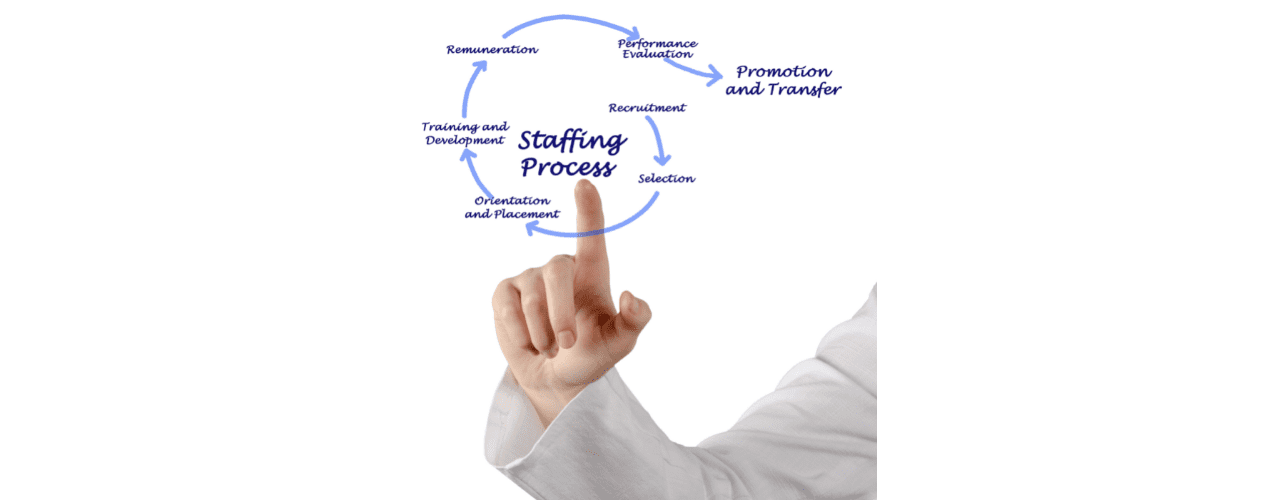
The Great Exodus is Hitting Case Management
Nurses, social workers, therapists, advanced practice providers, etc. are leaving in droves for a better opportunity that offers flexibility, ability to work from home, better benefits, and higher pay.
During COVID we saw that hospitals were not only full of patients but there were also empty beds, because of limited staff to handle the capacity. Now, is not the time to revert to our pre-COVID ways.
A nurse at my local hospital posted on social media, asking if anyone would be willing to house her and her four children so she could be a traveler nurse. The replies came flooding from colleagues and friends, including those in case management, which highlighted the discrepancy in pay and support for nurses that continue to work at the hospital as employees’ verse those who leave for traveler jobs. The jokes flooded about pizza parties and candy rewards as support for employee engagement.
A staff pizza party is not enough!
Although the social post was tongue and cheek, the national evidence of short-staffed departments across the country is evident. Nurses, social workers, therapists, advanced practice providers, etc. are leaving in droves for a better opportunity that offers flexibility, ability to work from home, better benefits, and higher pay. However, for the staff that are unable to leave their current employer because of personal circumstances, disengagement is at new levels with burnout associated with the ongoing pandemic and subsequently working short staffed for less pay, while you work side-side with travelers making twice as much.
A common metric for hospital departments is to decrease contract labor, however this metric has only exacerbated and highlighted a growing organizational shift. Pre-COVID, a focus on contract labor was a metric for individual departments to evaluate budgeted cost and to encourage a focus on staff retention and engagement.
Similar problems are hitting the care management department as nurses and social workers have the open opportunity to work remote, join traveler engagements, or leave for higher wages and better benefits. The market is open season and the hospitals and companies that have figured out how to invest in new and retain existing employees have an advantage for those choosing to stay in healthcare. Such as Washington-based Providence Healthcare that announced in September an investment of $220 million to retain and obtain new healthcare employees. There offerings include, higher wages, sign on bonus, greater benefits and supports for per diem and part-time staff (Muoio, 2021). It used to be that you were competing against the hospital down the street, now you are also competing with top employers around the country who are willing to adapt with better options to support and bring in talent.
Once upon a time when a company needed to hire, they simply put an ad in the paper or online and things just happened. We did not really pay attention to the how or when or the why. Someone, someday got hired. And then came COVID. Hiring is no longer something that we just do. Now there must be a strategic thought process in place to attract the best talent and retain them. The quicker we understand this, the better and faster we will hire.
So, what can we do?
There are books and lectures on the importance of the first impression and how lasting that first impression truly is. And yet sadly, the first point of contact can be frustrating, abrupt and at times antagonistic. Even as we have facilities offering $20,000 sign up bonusses, relocation and sweetening benefit packages, we have delayed or no response to resumes, antiquated online applications and less than warm first contact. Let’s review the departments goals and break down the process and ways to improve the initial contact.
Often in facilities human resources are recruiting for everything from doctors to mail clerks, CNA's, bedside nurses, anesthesiologists, and RN/SW case managers. While, so many are fighting for so few, maybe it's time to consider a Recruiting Process Outsourcing (RPO) firm for some of the more specialized positions such as nurse case managers, CDI, and appeals & denials. While working so many jobs it may be difficult for human resources to have a strong network. An RPO specializing in niche positions may be a better option. By making the right investment up front for top talent you are ensuring a successful team, patient experience, and revenue cycle.
Invest in your staff! Take the time to listen to what they need to feel supported and invested in as regards to staff support and engagement. Review your responses from your annual employee engagement survey and break down the details with your team on areas that were low scoring. This may be a great time to consider staff lead initiatives to bring address those items that they feel they are missing such as education. Consider the investment in money towards conferences, organizations, virtual in-services, and seminars, they will appreciate their employer and patients will benefit.
Internally, the case management department can also alleviate the burden of working short staffed by taking this time to reimagine department functions. Break down the jobs and think about what can be absorbed and what could be replaced with a different level of employees for support. Not every job has to be completed by an RN or a social worker. Evaluate job duties to having everyone work to top of licensure and then filling in the other needs with supportive labor to help alleviate the burden of staff overtime and high caseloads.
Care management should consider the needs of the department and staff that are looking to move up in their career. What are the opportunities for lateral and vertical movement in the organization or department? When nurses start working at the bedside, there is a career path for them. That career path often leads to charge nurse, DON or CNO. Consider how a similar path can be created in the organization for nurses looking at the business side of healthcare in revenue cycle, UR, or CM, or even informatics and CDI[T1] .
Staffing shortages can lead to desperation but please do not resort to poor hiring practices. We all know the skillset we are looking for in a nurse case manager, med-surg, critical care or telemetry bedside experience and good computer skills. Historically when there is a shortage, we have seen nurses with limited to no bedside experience thrown on an oncology unit. Not only will this individual need additional training, but the current employees will most likely feel undervalued and burdened. Any choice in hiring will still require the initial investment of proper training to ensure they are set up to succeed.
During COVID we saw that hospitals were not only full of patients but there were also empty beds, because of limited staff to handle the capacity. Now, is not the time to revert to our pre-COVID ways. We should acknowledge those who stayed in the healthcare environment through multiple COVID waves, vaccine protests, mask mandates, and political unrest. We need to be as competitive in our retention benefits as we are in hiring. We show our employees that we always value them as they continue to show up every day, on time, to care for the sick. We should consider how we can support and encourage those who are entering the field of healthcare and provide additional on the job education and guidance for success. The quality of our healthcare system is dependent on staff continuing to show up prepared and supported to offer safe care to our communities and patients.
References
Muoio, D. Fierce Healthcare Providence Invests $220 million to bolster, retain workforce amid nationwide labor shortage. September 2021. https://www.fiercehealthcare.com/hospitals/providence-invests-220m-to-bolster-retain-workforce-amid-nationwide-labor-shortage

Short Stay Auditors are on their way: Are you prepared?
Review Dr. Zelem's latest article on RACMonitor, https://racmonitor.com/occurrence-span-code-72-what-is-it/ regarding Livanta's award of short-stay audits and how occurrence span code 72 may ensure you are prepared with appropriate documentation and coding.
Using Occurrence Span Code 72 allows providers and review contractors to identify the total number of midnights on the face of the claim (inpatient and observation).
Livanta, the Beneficiary and Family Centered Care Quality Improvement Organization (BFCC-QIO) auditor, has reportedly started sending out documentation requests for short-stay inpatient audits. They are selecting 30 inpatient admissions of Medicare beneficiaries whose length of stay (LOS) was either zero or one day, within the prior three months, from targeted hospitals.
This falls in line with the two categories associated with the two-midnight rule. They are the presumption and the benchmark, but these audits focus on the benchmark.
As stated in the rule, “under the two-midnight presumption, inpatient hospital claims with lengths of stay greater than two midnights after formal admission following the order will be presumed generally appropriate for Part A payment and will not be the focus of medical review efforts absent evidence of systematic gaming, abuse or delays in the provision of care…” -Page 50949, IPPS
On the other side, the benchmark of two midnights is “the decision to admit the beneficiary should be based on the cumulative time spent at the hospital beginning with the initial outpatient service. In other words, if the physician makes the decision to admit after the beneficiary arrived at the hospital and began receiving services, he or she should consider the time already spent receiving those services in estimating the beneficiary’s total expected length of stay.” -Page 50946, IPPS
Length of stay starts once the patient is formally admitted. When looking at the targeted areas of these audits, keep in mind that one-day stays and zero-day stays are considered short stays, and may be a reflection of poor utilization review (UR) processes or timing of the UR reviews, but this is not an exclusive statement.
Hence, in order to ensure accurate tracking of the two-midnight requirement for the inpatient level of care, the Centers for Medicare & Medicaid Services (CMS) has allowed hospitals to use Occurrence Span Code 72 to track outpatient care prior to an inpatient admission. This code is commonly used to indicate that the patient has passed two necessary midnights in the hospital, but less than two as inpatient. This code will not exempt the admission from audit, but it doesn’t necessarily indicate that auditing these cases will result in an automatic denial. It is truly dependent on appropriate documentation.
Previously, an inpatient claim only allowed CMS to track the inpatient time after a patient was formally admitted as an inpatient. Using Occurrence Span Code 72 allows providers and review contractors to identify the total number of midnights on the face of the claim (inpatient and observation).
Time receiving outpatient care in the hospital that can be reported with Occurrence Span Code 72 includes:
Observation services;
Treatment in the ED; and
Surgical procedures.
Note: Program for Evaluating Payment Patterns Electronic Report (PEPPER) “one-day stay” reports exclude patients whose claims include Occurrence Span Code 72 with a total stay of fewer than two midnights.
By using this code, a hospital can indicate that the admission met the requirements of the two-midnight rule, thereby reducing the risk of the claim being denied.
Transmittal 1334 provides technical direction and permits the physician and the medical reviewer to consider all time a beneficiary has already spent in the hospital receiving outpatient services, including observation services and treatment in the emergency department, operating room, or other treatment area, in guiding their two-midnight expectation. This change in claim processing instruction is to “notify contractors that Occurrence Span Code 72 was redefined by the National Uniform Billing Committee (NUBC), for inpatient bills, so that contractors may denote contiguous outpatient hospital services that proceeded the inpatient admission. This should permit the contractor the ability to determine the total time in the hospital, as it is voluntarily recorded on an inpatient claim.”
As mentioned above, appropriate documentation is critically necessary to support and justify the acuity needed for an inpatient level of care. There are two areas in particular where this can be accomplished.
The history and physical; and
The time that the inpatient order is formally recorded.
The history and physical should accurately reflect the acuity, and to that end, keep in mind that the Medicare Benefit Policy Manual (Chapter 1, Section 10) states that the medical predictability of an adverse event is a necessary component of the admitting physician decision-making for an inpatient level of care.
Four simple elements to include in the assessment and plan of a history and physical are the following:
Suspects – what do you suspect is going on with the patient?
Concerns – do you have high or low levels of concern for what adverse event(s) can occur, based on how the patient presents, and in what condition?
Predictable events – based on the physician’s knowledge, experience, the literature, and conferences, how predictable are those concerns?
Intent for treatment – what treatments will be instituted, and how much time will they take?
One of the things learned during the administrative law judge (ALJ) hearings taking place during the Recovery Audit Contractor (RAC) storm of the past is the importance of what documentation is present at the time of the inpatient order.
With the two-midnight rule, this has been simplified, but some kind of documentation would be helpful to correlate with the order, instead of the relying on the auditor to connect the dots.
What it all comes down to is the three most important words in healthcare:
Documentation;
Documentation; and
Documentation.
Of course, this is where Occurrence Span Code 72 helps.

How Can Healthcare Systems Continue to Keep up with Challenges Related to COVID?
An examination and account on the continued difficulties of staffing and leadership during COVID times.
The current challenges that hospitals are facing span far beyond the effects to the individuals that have contracted the disease. There has been immense death and an increased level of acuity with COVID but, currently, the largest challenge in acute hospitals is the staffing shortage and the burnout associated with this ongoing pandemic.
The current challenges that hospitals are facing span far beyond the effects to the individuals that have contracted the disease. There has been immense death and an increased level of acuity with COVID but, currently, the largest challenge in acute hospitals is the staffing shortage and the burnout associated with this ongoing pandemic.
COVID shortages and management of the ongoing effects:
Senior leadership teams across the nation are meeting regularly to discuss how to stay ahead of the staffing shortages related to COVID. Daily huddles held by hospital leaders discuss staffing challenges related to COVID including ways to handle staffing that has now reached near crisis levels. Within healthcare systems, there is no department that has not been affected. EVS, dietary, nursing, respiratory therapy, and all other departments that have been deemed essential to service patients inside of the hospital during this time are experiencing unprecedented shortages that are affecting the care that all patients receive.
What has changed from pre-COVID?
Depending on your region, hospitals across the country are now in the third to fourth surge of COVID. Staff, especially nurses and frontline caregivers, are experiencing burnout related to the number of COVID patients. Additional frustration has been added to the most recent surge as it is significantly related to patients that have chosen not to be vaccinated. Nursing and case management are dealing with dire situations in which entire families, who have likely chosen not to vaccinate, are hospitalized with an increased number of deaths in younger populations as compared to previous surges. These stressors and the continued loss of life are difficult for caregivers to deal with which has led to caregiver burnout.
How high can the pay increases go to retain workers?
The first state to begin to attract nurses with increased wages was New York. This was due to the first large surge that began there in March 2020. Since that time, travel positions for nurses, all emergency department staff including techs and EMTs, and respiratory therapists have been sought after to work in hospital systems. The offered incentives and pay wages have greatly affected staff positions at all hospital systems as they cannot compensate at a comparable rate to the travel positions. Discussions regarding increases of pay across hospital systems continue to occur at an executive level to retain staff but the pay offered by these travel positions are not the only incentive to healthcare workers. Travel positions are luring staff to higher paying jobs with the flexibility to travel and take time off between assignments. This is perceived to give healthcare workers the ability to decrease burnout as they are not committed to a long-term position. These positions and the significant increase in pay also gives the freedom to take breaks between assignments.
Another effect that COVID has had on the world has been the option and opportunities to work from home. Work from home options now represent approximately 42% of the workforce. The concern of being exposed to COVID in the hospital setting has made it increasingly challenging to hire on staff in all areas. Entry level staff such as environmental services and dietary can make equal or more money working at hotels or restaurants without the fear of being exposed to the infectious diseases, including COVID, that exist in hospitals. Acute care settings must continue to find ways to make staff feel safe at work from COVID but also with a sense of purpose and inclusion with their team. There are benefits to working remotely but the collaboration and relationships that develop in the workplace are also a job satisfier.
How has the vaccination affected this?
The new government mandate requires vaccinated caregivers at all facilities that receive revenue from Medicaid and Medicare. Prior to this legislation, hospital organizations were struggling with mandating the vaccine with an increased concern that staff will leave vaccine mandating organizations to go to another facility that does not require vaccination requirements. This new law levels the playing field for hospitals to meet the same standards and requirements across the country. The new rule has not curbed the continued concerns and fears that many individuals have related to the vaccine. Organizations need to continue to educate staff and answer questions to resolve fears that exist. Whether or not we agree or disagree with the related concerns, the fears are real to the person experiencing them.
How can leaders affect change and improve staff satisfaction?
A leadership presence with an understanding of the struggles that the frontline staff are experiencing will improve employee satisfaction. Employee forums, led by hospital leaders, where staff can ask vaccination and COVID related concerns alleviate stressors. Wages continue to increase across healthcare. To address wage inequities, complete a market analysis to determine if your wages are competitive for your region. Lastly, be a present leader. Round with your staff, listen to their concerns with sincerity and compassion for the challenges that they are facing. Individuals that have a strong connection and that feel supported by their leader are less likely to leave their position even if a higher wage is available. Be that leader! Spend time with your staff and let them feel heard. You will also find satisfaction with the connection that you build with them and grow as a more effective leader.

Condition Code 44: How many should you have?
Check out our latest article on RACMonitor regarding Condition Code 44s at https://racmonitor.com/condition-code-44-how-many-should-you-have/. Also make sure to check out Dr. Juliet Ugarte Hopkins article “Deconstructing the Concept of Condition Code 44,” which includes a complete history and best model approach to the Condition Code 44 process.
Condition Code 44 is “not intended to serve as a substitute for adequate staffing of utilization management personnel or for continued education of physicians … (and) as education and staffing efforts continue to progress, the need for hospitals to correct inappropriate admissions and to report Condition Code 44 should become increasingly rare.”
In September 2011, the Centers for Medicare & Medicaid Services (CMS) provided some light reading and clarification to the Condition Code 44 process in the Medicare Claims Process Manual, Chapter 1, General Billing Requirements. Specifically, CMS emphasized that Condition Code 44 should only be utilized during “infrequent occasions, (such) as a late-night weekend admission when no case manager is on duty to offer guidance when internal review subsequently determines that an inpatient admission does not meet hospital criteria and that the patient would have been registered as an outpatient under ordinary circumstances.”
We are informed that although in no way should non-physicians make the final determination of admission, a case manager, as referenced by CMS (which is really the utilization review specialist), should “facilitate the application of hospital admission protocols and criteria, to facilitate communication between practitioners and the UR (utilization review) committee or Quality Improvement Organization (QIO), and to assist the UR committee in the decision-making process.” They went on to drill the point home, that use of Condition Code 44 is “not intended to serve as a substitute for adequate staffing of utilization management personnel or for continued education of physicians … (and) as education and staffing efforts continue to progress, the need for hospitals to correct inappropriate admissions and to report Condition Code 44 should become increasingly rare.”
CMS states its intentions of the triple aim of the right place, right time, and right care; however, it is understandable that sometimes hospitals do not have the staffing or needed up-front information to create the optimal environment for 100 percent level-of-care accuracy. Thus the allowance of Condition Code 44 to correct patient status prior to a discharge being effectuated.
How can health systems optimize a process, now understanding that Condition Code 44 should be a rare occurrence?
Frequency of this code is often a metric for care management departments, and it typically appears on UR committee agendas. Many hospitals will report it as a monthly trend line that goes up and down for display and reporting. The UR committee members typically review this information, and depending on meeting engagement or attendance, they may struggle with the concept of relevance. They may not know if the number should go up or down; they may not even know what a Condition Code 44 is, or why it is being reported. So, if we know the answer is that these codes should be rare, then your health system should define your own standard for infrequency.
For the average hospital (around 250-300 beds), pull a baseline, and hopefully your number is less than 10 in a month – ideally, more like one a week. Then look at your processes. Rather than report the trend, discuss in the UR committee a plan of action and intention for improvement from a utilization management strategy. Your goal is to determine: how can the hospital achieve the correct level of care upon admission? What was missed that led to a Condition Code 44? Was it because of staffing, lack of documentation, physician education, lack of patient information, or a difficult diagnosis to articulate the plan of care? Then, find the pattern and implement change. Data is meaningless if it does not create conversation, action, and movement to adjust results.
If you have a high number of Condition Code 44s, then you probably have a back-end utilization review process. This means the head is in the bed, and then the UR specialist reworks the chart to figure out what the attending did and query him or her via texts and phone calls to say, “you did it wrong and we need to change the status.” Then, if the doctor says “fine,” you apply the Condition Code 44 process.
An alternative approach to improve this scenario may be the following:
Move as much of the back work to the front as possible. A UR specialist goes in the ED and manages all points of entry as a gatekeeper to assist the admitting docs with the support needed. When peer-to-peer correspondence is beneficial, pull in your trusty friend, the physician advisor. Hopefully, UR understands their role in the organization, because it is key to not just move the staff, but empower the critical thinking and physician partnership required for success.
Collect baseline data on Condition Code 44s and audit the charts. Assume that this number can decrease. You will want to look for patterns: time of day, diagnosis, physician, payer, etc.
Utilize these same chart audits as case reviews to be presented by your physician advisor as lunch-and-learns to the hospitalist group or med staff.
Put this information together to report on appropriate Condition Code 44s as preventions of self-denials…success. And break down your opportunities for improvement.
Then work with a small multidisciplinary team, such as your physician advisor, care coordination/care management, clinical documentation improvement (CDI), utilization review, and your physician champion to help impact a prevention strategy.
Report the impact of your prevention strategy through a decrease in your Condition Code 44 process back to your UR committee. UR committee notes and information should funnel up to the medical executive council to highlight successes and continued opportunities.
Rinse and repeat!
Thankfully, Condition Code 44s exist to allow hospitals to adjust patient status and inform the patient prior to discharge. CMS clearly articulates that Condition Code 44s should be a rare occurrence to correct patient status. They should be evaluated, with each event being internally audited to determine opportunities for prevention. The data collected can then encompass a comprehensive plan to ensure a mission for patients to receive the appropriate level of care that is medically necessary at time of admission.
The Breakdown on continued stay reviews
Check out our recent posting on RacMonitor, https://racmonitor.com/gaining-a-better-understanding-of-continued-stay-reviews/, to obtain a better understanding of continued stay reviews. What are they really for?
A recent question was asked: “how often should UR (utilization review) complete continued stay reviews for Medicare FFS (fee-for-service) patients?”
Well, a host of answers appeared across the healthcare industry; however, the response I gave was this:
The level of UR involvement is dependent on how highly functioning your care management/care coordination (CM/CCs) folks are. Who is watching resource utilization and the progression of care (or lack thereof?)
If your hospital ensures that CC/CM is doing this, great; that is the ideal scenario. Clinical documentation improvement (CDI) will be looking at your inpatients, but UR needs to be watching the outpatients. CDI also may not be looking at continued medical necessity – this is typically a UR function.
Depending on your person responsible for medical necessity, UR needs to be looking at the progression of care and patients ready for discharge – and making sure it is made known when they no longer meet medical necessity. This is defined by any process your hospital can create, and does not require a full review. I like the geometric mean length of stay (GMLOS) time frame as a quick review to see why patients are still admitted inappropriately, and to track avoidable days (as well as help my CC/CM or CDI counterparts with any red flags).
Let’s give a more detailed breakdown of what that all means. We often find UR specialists hunting for the green light in their criteria guidelines tool to get patients to meet inpatient criteria, then completing the follow-up tasks necessary for continuing to make sure that the green light exists in the system to justify the patient’s presence in the hospital.
Evidence-based guidelines are important to consider when evaluating patient appropriateness for inpatient treatment, but we must first remember that the Centers for Medicare & Medicaid Services (CMS) mandates that the intention of hospitalization be based on medical necessity. There is also the expectation that the patient’s treatment will require at least a two-midnight stay, which needs to be reflected in the medical documentation.
The Utilization Review Accreditation Commission (URAC) defines UR as the evaluation of medical necessity, appropriateness, and the efficiency of the use of healthcare services, procedures, and facilities under the provisions of an applicable health benefits plan.
The UR specialist has the important task of evaluating whether the medical record matches the clinical picture for revenue integrity, in order to ensure that the patient’s hospitalization and services are reasonable and necessary. At the point of admission, the UR specialist will examine the record to pose the question: does the patient need to be hospitalized? If not, why? If so, have we ensured that the clinical picture in the record matches the level of care assigned? Now, once the patient is in the hospital, what must the UR specialist do to ensure that the patient continues to need hospital services?
For commercial contract patients, the answer is always “check your contract.” The contract will determine how often updated clinicals need to be sent for reviews, discussions, and conversations with the UR counterpart on the payor side. For Medicare, I urge my UR specialists to question the traditional two-day rule and the busywork of checking the criteria guidelines to say, “yes, they still meet criteria.” Instead, let’s remember the following from my friend and advisor Stefani Daniels: length of stay is not a problem; it is a symptom of delays in progression of care due to system inefficiencies. The concurrent review should be performed in collaboration with your care coordination/case manager counterpart and physician advisor extraordinaire, to advocate for the progression of care and resource utilization of the organization. This can occur in any fashion, and on any day you choose to do it. I would say attend interdisciplinary rounds and get the scoop on what is going on with each patient. If you are in a health system where this is not possible, then utilize your artificial intelligence system to look for mismatches or your GMLOS to see which patients require a closer look.
Determining why the patient remains does not necessarily require a complete criteria review. Instead, look at the documentation and see why the patient is still here, what are they receiving, and what the plan is for progression and transition of care. You will want to be on the lookout for documentation that shows clinical justification that needed care cannot safely be provided in a lesser setting. Also, check for incidentalomas and “while you are here” testing. Both can put the patient at more risk, are likely not reimbursed, and can be more effectively coordinated after discharge in an outpatient setting. If something is missing in the documented picture, then again, let’s rely on our team members for effective support and communication to ensure appropriate transition of care.
Finally, let’s ensure that we have a collaborative and healthy conversation with our attending to educate and support the patient’s continued need for hospital level of care. Please remove the saying “your patient no longer meets criteria.” What does that mean? Who says? Instead, try a starting conversation that respects the physician perspective, with language such as, “help me understand and support your plan. I read your note, but still have some questions. Can you help me bridge the gap on what you are thinking for this patient’s plan of care?” Then we can move forward, with the avoidance of you shouldn’t, and you can talk about how your CC/CM counterparts can facilitate those services in an outpatient setting.

Building a Partnership with your Hospitalist
Case management can be explained as the hub of the wheel that connects all disciplines to the patient with its primary spoke being the physician.
It is no secret that physicians drive upwards of 80% of clinical costs and are directly and indirectly responsible for clinical and financial outcomes of care delivered. Even though, the payer determines whether treatment, care or service will be reimbursed under terms of the contract. It is the provider, who determines the type and extent of treatment care and services. Dr. Atul Gawande once said, “The most expensive piece of medical equipment is a doctor’s pen.”
Hospitalists' primary focus is the clinical care of hospitalized patients, however their role as a team member to ensure safe and effective care goes far beyond that explanation. The Society of Hospital Medicine was established in 1997 to promote exceptional care for hospitalized patients (www.hospitalmedicine.org). The objective of each hospitalist is to provide high quality care for the patient and to advance state of the art care through innovation and collaboration with the patient at the center.
With this knowledge, it is clear that teamwork between the hospitalist and the multidisciplinary team is vital to the success of the hospital system. However, how can executive sponsors import this value into the physicians daily workflow when hospitalist’s are overwhelmed and may not see the connection between the team and their patient care? They will tell you that they are too busy to attend the meetings. They are too busy to attend daily rounds. It interrupts their time to see patients and they do not see the point. What they are really saying is, What is in it for me (WIIFM)? Why should I attend? How is it worth my time to meet you, be at that meeting, or come to the leadership meetings to discuss metrics?
The average hospitalist has the potential to get around 4 calls per day per patient on their census. So for an average daily census of 18 patients, that hospitalist can expect up to a combination of about 72 calls, queries, and texts per day from the care team which includes care management, nursing, therapies, pharmacy, specialist, CDI, coding, utilization review, insurance, physician advisor, etc.
It is no secret that physicians drive upwards of 80% of clinical costs and are directly and indirectly responsible for clinical and financial outcomes of care delivered. Even though, the payer determines whether treatment, care or service will be reimbursed under terms of the contract. It is the provider, who determines the type and extent of treatment care and services. Dr. Atul Gawande once said, “The most expensive piece of medical equipment is a doctor’s pen.”
To achieve excellence in patient outcomes and satisfaction, it is imperative that dialogue takes place that discusses how a successful relationship can be accomplished. Moving towards hospital and patient outcome goals should be the partnership to deliver great care. Hospitalist and administrative alignment must start at the c-suite and ensure common goals and expectations to ensure they are steering the ship in the same direction.
Case management can be explained as the hub of the wheel that connects all disciplines to the patient with its primary spoke being the physician. The case management team, including the utilization review specialist can inform and educate the hospitalist on access, progress of care and transition opportunities that optimize resource utilization. Several avenues can assist in educating the hospitalist and elevating the care of the patient which will in return improve patient care metrics and outcomes which reflect positively on the hospital and the hospitalist’s performance. Case management must position themselves as the key partner to the hospitalist if they want to prove their value to the organization and positively influence patient outcomes.
Some key ways to ensure partnership include;
Case management must utilize their expertise to leverage and influence a consistent WIIFM “What’s in it for me” strategy, through proactive communication and data.
If case management understands that physicians are their number one ally to the success of the patient, then case management assignments should be paired with the hospitalist over the nursing units.
Daily multidisciplinary rounds should be optimal to ensure physicians attend, which means that only key players participate, members such as case management, UR, nursing, pharmacy, physician therapy, PAs, and hospitalists all know their role and accountability of next steps when rounds are over. Members are prepared before they attend and understand what needs to occur when rounds are over and who is going to communicate next steps to the patient. Case management must do their part by coming prepared to discuss any potential barriers and possible solutions for the progression and transition of patient care through the system.
Case management leadership should have regular touch points with the hospitalist director to ensure both teams are collaborative and supportive of one another. The hospitalist medical director needs to trust that the CM leadership team will follow up on issues presented to the department and vice versa.
Although case management's primary role is to advocate for the patient, they must ensure they are not directing the care of the patient. This will turn off the hospitalist team pretty quickly. They must understand their scope and role in the relationship. The case manager will be most successful if they can problem solve from the physicians’ perspective, provide proactive solutions, serve as a consistent resource, and eliminate hassles. Remember, the case manager is expected to be skilled in critical thinking with typically a nursing or social work background. At that education level, they should not be utilized for setting discharge logistic task mastery.
In Phoenix Medical Management's many travels across health systems, we find that hospitalists consistently look for proactive support from case management. They don’t want to place an order for home health and then wait for the case manager to respond and then start working on it. They want the case manager to already know the patient could benefit from home health and come prepared with information and the necessary forms for the hospitalist to complete if supportive of the plan. As influencers to length of stay and cost per case, case management should not be the reason for the progression of care delay or avoidable delay. For case management to succeed they must positively position themselves with the hospitalist and physician teams under a WIIFM strategy.

Understanding the Surprises in the No Surprise Act
Learn how to prepare for the No Surprise Act, article published on RACMonitor, https://racmonitor.com/understanding-the-surprises-in-the-no-surprises-act/
What care management needs to know, and how health systems can start preparing.
On July 1, the Centers for Medicare & Medicaid Services (CMS) released the initial requirements related to the No Surprises Act: “Requirements Related to Surprise Billing, Part 1.” With all the best intentions, the goal of the No Surprises Act is to put in place protections against surprise bills and balance billing. The Act was created to ensure that commercial health plan members will avoid unexpectedly receiving bills for additional costs after an emergency or planned service if the service was rendered by an out-of-network provider.
Translating this to a hypothetical patient story looks like this: say a patient, Mr. Jones, goes to the local ED for a broken ankle. Mr. Jones’s emergency room visit is covered by his health insurance. After examination, it is determined that Mr. Jones will need surgery to repair his ankle fracture. Mr. Jones receives treatment from the ED facility (meds, nursing, etc.), the ED physician, and an X-ray to confirm the fracture, then the radiologist reads the X-ray. Mr. Jones then heads to the OR to have surgery with the ortho surgeon on call. He receives a host of services in the OR for his uncomplicated procedure, which includes anesthesiology.
Post-operatively, Mr. Jones recovers without concern and returns home. As per usual, three months later, those bills start coming in. Mr. Jones is confused as to why he has hospital and provider bills from the ED physician, the radiologist, the OR surgeon, the OR team, and the anesthesiologist. Most of these doctors are in-network, in Mr. Jones’s health plan, and applied to his deductible for coverage. However, the on-call ortho surgeon, who Mr. Jones did not have time to Google search for on Healthgrades, is out-of-network, which means Mr. Jones will be paying the balance of coverage from this surgeon, as none of the expenses from this physician will be applied to the in-network benefits. Surprise!
The intention of the No Surprises Act is to protect patients like Mr. Jones from the additional expenses he incurred from the ortho surgeon, and instead ensure that although Mr. Jones will need to pay the ortho surgeon, the cost will be at his in-network rates. For the care manager, our primary responsibility is to advocate on behalf of our clients to promote patient safety, quality, and cost-effective outcomes. From the 50-foot perspective in Washington, this bill has all the right intentions of advocacy for our patients to ensure they are not straddled with financial hardship. The Act provides an opportunity for care managers to educate patients on their rights and responsibilities during emergency or planned surgeries.
Now the big “however” is this: how will hospitals operationalize this legislation? Care managers must once again learn to coordinate a broken system of healthcare. They must help patients navigate who is in-network and who is out, and how to determine the value of their service provider. The surgery you want from the physician, who you trust, may not meet the qualifications for in-network care that your insurance company selected without your knowledge.
Our company always advocates for a front-end revenue cycle; however, this Act will require health systems to move a little bit more in front. Consideration will need to be made for the argument of care management team members supporting planned surgeries, and they really should be supporting patients from the longitudinal perspective. The U.S. Department of Health and Human Services (HHS) has recommended a three-hour time window to provide notices to the patient and allow them to decide if they want to sign the four-page document letting them know that their service is out-of-network. I should also mention that this document must be available in the 15 most common languages of your geographic region. Three hours is likely not enough time, and really the notification needs to come at time of scheduling – and likely from the physician office.
So before care management can step in to advocate for our patients and help determine the best options for coverage and treatment, and so patient financial services can complete the needed information on the document for the patient to sign, health systems must accomplish the following:
Determine an organizational policy and stance for how billing will occur. Will this be added to the list of write-offs, or do you need to add the needed infrastructure on the back end to negotiate with out-of-network payors for in-network rates?
Assess your employed, empaneled physicians and out-of-network providers. Make sure that credentialing is up-to-date with the payors. Pull out your pricing transparency charges and ensure that you have accessible data for your patient financial services and care management team to educate patients of expected charges if you decide to provide out-of-network services (IT will likely need to get involved for some EMR alerts in your revenue cycle system).
Assess your medical staff participating physicians that are non-employed, and determine how notification will occur at your facility for these practicing providers at your health system. The service provider (health institution) will be expected to notify the patient of the outside providers’ in-network/out-of-network status and whether they want to obtain consent for those patients – or if the provider will just work out the issues on the back end with the payor, rather than balance-bill the patient. This means that a list will need to be maintained for all participating providers of your facility regarding who is in-network and who is out-of-network, and their requests for notification to the patient.
Determine the front-end additional lift that will be required to provide accurate notification to patients for emergency and non-emergency services. This will include public notifications of the law and a clear work instruction of when to give the notice, how to fill out the form, and how you will contact care management when the patient has any questions (or decides that with this knowledge, they want to change their plan for treatment and go somewhere else, but have no idea how to do that).
The No Surprises Act is expected to go into effect Jan. 1, 2022. CMS has opened a 60-day window for public comments at www.regulations.gov, under file name CMS-9909-IFC. You may also submit comments by mail to the Centers for Medicare & Medicaid Services, Department of Health and Human Services, attention: CMS-9909-IFC, P.O. Box 8016, Baltimore, MD, 21244-8016.

Addressing UHCs stance on non-emergent ED visits
Right time, right place, right setting…. well maybe. In UHC’s network bulletin ….that was quickly retracted and held for delay after the AHA and AMA expressed extreme ethical concerns.
UHC announced that they will be assessing emergency department claims to determine if the ED visit was emergent or non-emergent effective, now after the PHE waiver (likely 2022). This may seem like deja vu because UHC attempted a similar approach in 2018 regarding claim submission reviews.
Addressing UHCs stance on non-emergent ED visits
Tiffany Ferguson, LMSW, CMAC, ACM
Right time, right place, right setting…. well maybe. In UHC’s network bulletin ….that was quickly retracted for delay after the AHA and AMA expressed extreme ethical concerns.
UHC announced that they will be assessing emergency department claims to determine if the ED visit was emergent or non-emergent effective, now after the PHE waiver (likely 2022). This may seem like deja vu because UHC attempted a similar approach in 2018 regarding claim submission reviews.
Factors provided included that the evidence of emergency must meet the patient’s presenting problem, intensity of diagnostic services performed, and other complicating factors or external causes. Claims determined non-emergent will be subject to no coverage or limited coverage.
If the hospital event is determined non-emergent, UHC will be submitting a notification of denial either electronically or by mail with the option for submission to appeal via attestation. Ability to argue the claim will be considered on the “prudent layperson standard.”
So, what does this mean and is it possible that other payors will soon follow a similar process. Our team has helped many organizations in the past realize that just because you accept that patient in the ED and treat them, it does not mean your claim is paid if the service could have been completed in a primary care office. With the movement to triple aim and although this policy hurts our quadruple aim, provider engagement, hospitals must utilize their existing network to open access to care for patients that do not belong in the ED and could easily be managed in urgent ortho, urgent care, or same day/ walk-in primary care settings. Let us not forget the expansion of telehealth and the many options our patient populations can now do from their phone via app to access healthcare services.
So how does this interact with EMTALA?
EMTALA only requires that any individual who comes into the ED and requests medical treatment must receive a medical screening examination (MSE) to determine whether an emergency medical condition exists. The level of the medical professional that provides the MSE is determined by the hospital and medical staff bylaws. The law does not require the MSE be performed by an ED physician.
If an emergency medical condition exists, then the patient must be treated until stabilized, issue resolved, or transferred to the next appropriate level of care regardless of ability to pay. Now, what if an emergency medical condition does not exist? If the required MSE occurs, the patient can be offered a lower cost option of care and does not have to continue services in the ED.
For those living in the value-based world, health systems track and attempt to intervene in the costs of unnecessary ED visits. However, many hospitals and physicians are still living in the door to doc time of getting patients through the system, misinterpreting volume as value for their emergency departments. Having a front-end and gatekeeper strategy is once again evident to avoid the back-end rework and potential for further denials beholden to payor claims for denials and appeals by attestations within a limited timeframe.
Recommendations to stay prepared include:
Relook at your bylaws and consider what provider level really needs to provide the MSE.
Provide marketing in your ED and options for alternatives for your community to access primary care and urgent care services in the evening and weekends.
Provide education regarding what the ED should be used for and where other areas of care can be provided.
Utilize data and review the type of Level IV and Level Vs- Less Urgent and Non-urgent services are being utilized and develop proactive strategies to address these community concerns.
Utilize the ED social worker not only behind the ED entrance but in the lobby to help address patients that arrive with social factors that need community support, resources, and support coordinating more appropriate services.
UHC’s stance is not a new policy, Anthem and the Blues adopted similar practices with much scrutiny, regardless of push backs and delays payers have been downgrading or denying low level and non-emergent ED visits in efforts to curb costs. UHC has chosen to take a more public stance, which led to a public criticism, however you can expect some version of this policy will present itself again by the end of the year or early next year.
Health systems have two options, they can roll up their sleeves and prepare for a fight on the back end or they can consider how the front-end could be improved to avoid the fight until it is necessary.

Patient billing may have gone too far!
Catch the official report on RACMonitor’s Monitor Monday podcast! Last week Johns Hopkins University released an interesting report to Axios that highlighted the top 100 US hospitals that have accrued revenue by suing patients over unpaid medical bills between January 2018 to July 2020.
$71 million in sought out collections.
Catch the official report on RACMonitor’s Monitor Monday podcast!
Last week Johns Hopkins University released an interesting report to Axios that highlighted the top 100 US hospitals that have accrued revenue by suing patients over unpaid medical bills between January 2018 to July 2020. Now, there are many hospital rankings across the country, but this is not a top 100 list that your hospital would want to be on.
The findings in the report suggested some interesting buzz around the top 10 hospitals which accounted for 97% of the lawsuits against patients during that time. The leading hospital is Virginia Commonwealth University (VCU) Medical Center in Richmond Virginia who was responsible for 17, 806 of the 38, 965 court actions against patients for unpaid medical bills. Number two was University Hospital, also in Virginia at 7, 107 and third was Froedtert Hospital in Wisconsin at 3, 278 cases against patients. It should be noted that all three of these hospitals have reportedly stopped filing litigations against patients since this report was made public, however a lot of damage has already been done in the form of about $71 million in sought out collections.
We understand that patients across the country suffer from covering their medical expenses, in fact medical debt impacts about 58% of all debt collections, causing many Americans to file for bankruptcy. It is painful to hear this report considering that many Americans do not plan for medical emergencies and that since the pandemic so many people have been differing care and stressed with financial hardships related to lose of employment and health insurance. The last thing people want is a notice of legal action for unpaid medical bills. The report highlighted that these hospitals displayed some strong tactics to recoup funds for services which included emergency and unplanned surgeries by garnishing people’s wages and putting liens against properties and assets.
Also concerning is that many non-profit health systems made the list, such as University Hospital in Virginia and University of Kansas Hospital in Kansas City who also receive tax exemption to ensure they are providing charity care for their communities. Non-profits are obligated under the Affordable Care Act to have a financial assistance policy that specifically prevents hospitals from engaging in this type of behavior. Section 9—7(2) of the Patient Protection and Affordable Care Act (PPACA) states that all non-profits must have a ‘widely available’ financial assistance program for all members to screen eligibility. Non-profits must include transparency regarding their policies for the basis of how charges are calculated and must make reasonable efforts for patient collections and financial assistance qualifications prior to engaging in any extraordinary collection actions. Without digging into all the lawsuits, this report highlights extreme concern that the non-profits on this list may have violated the ACA requirements for non-profit status.
The report reminds us that it may be a good time to relook at your Financial Assistance Policy and ensure you are following appropriate guidelines according to the ACA, particularly if your institution is a non-profit. Remember that financial assistance policies, including a written debt collection policy must exist for any non-profit hospital and must be applied to all emergency and medically necessary care in the hospital facility regardless of admission status.
Johns Hopkins and Axios are hopeful that by providing greater transparency with this publication improvements can be made across health systems regarding approaches to predatory billing practices.

Primary Care First makes it easier to integrate care management
A comprehensive care management program can be costly and often not justified with past payment models. However, the PCF model provides a solution for this by offering up-front, partially capitated payments to allow for funding this foundational program.
What is Primary Care First, PCF and how can this advance alternative payment model help support care management services?
Since the start of alternative payment models in 2012, the Center for Medicare & Medicaid Innovation (CMMI) continues to develop and test new models supporting providers in transitioning from fee for service to value-based care. One of the newest iterations is enhancement from the work done in the Comprehensive Care Plus (CPC+) model called Primary Care First (PCF).
Primary Care First is a set of voluntary alternative five-year payment options that reward value and quality by offering an innovative payment structure to support the delivery of advanced primary care. In response to input from primary care clinician stakeholders, Primary Care First is based on the existing Comprehensive Primary Care Plus (CPC+) model design principles, prioritizing the clinician-patient relationship, enhancing care for patients with complex chronic needs, and focusing financial incentives on improved health outcomes. PCF is offered in 26 regions:
Alaska
Arkansas
California
Colorado
Delaware
Florida
Greater Buffalo region (NY)
Greater Kansas region (KS and MO)
Greater Philadelphia region (PA)
Hawaii
Louisiana
Maine
Massachusetts
Michigan
Montana
Nebraska
New Hampshire
New Jersey
North Dakota
North Hudson-Capital region (NY)
Ohio & Northern Kentucky Region
Oklahoma
Oregon
Rhode Island
Tennessee
Virginia
PCF includes two cohorts of participating practices: Cohort 1 began in January 2021 and Cohort 2 will start in January 2022. There are currently 827 practices participating in Cohort 1 of Primary Care First (List) and 14 payer partners as of April, 2021. The applications deadline for Cohort 2 closed on May 21st, 2021.
PCF is one of the various Advanced Alternative Payment Models (APM) that offer providers a 5 percent incentive payment for achieving various threshold levels. If a provider achieves these thresholds, they become a Qualifying APM Participant and are excluded from the Merit Incentive Payment System (MIPS) reporting requirements and payment adjustment. In addition to the 5% incentive payment, PCF offers:
The attributed population is grouped into tiers based on Hierarchical Condition Codes (HCCs) with corresponding PBPM rate ranges.
Prospective payment to providers that can far exceed the current fee for service revenue even without the bonus potential.
Freedom to be innovative in how practices care for their patients to include enhancing their care management service, telehealth, home visits and other services.
A provider can participate in PCF while remaining in any of the ACO models.
Risk is limited to 10% which in the higher tiers would still result in a positive revenue.
Frees up practices from meeting the billing requirement associated with chronic care management and transitional care management billing which is often difficult to achieve.
Multi payer program to allow for aligned incentives.
Only one quality metric to meet in the first year.
In the first year, the single outcome measure and the quality gateway to performance-based payments is through managing acute hospital utilization (AHU) HEDIS measures for the attributed population. The second through fifth year will also include patient experience via the Patient Experience of Care Survey, Hemoglobin A1c Poor Control (>9%) eCQM, Controlling High Blood Pressure eCQM, Advance Care Plan CQM and Colorectal Cancer Screening eCQM.
Participating practices should consider that most practices have been working towards improving quality, decreasing cost and improving the beneficiary experience for more than a decade. These three elements often referred to as the Triple Aim. Agency for Healthcare Research and Quality (AHRQ) recent findings suggests care management has emerged as a leading practice-based strategy to manage the health of populations.
A comprehensive care management program can be costly and often not justified with past payment models. However, the PCF model provides a solution for this by offering up-front, partially capitated payments to allow for funding this foundational program. It is important for a practice to:
Identify the right population of beneficiaries with modifiable risks.
Align Care Management services to the needs of the population.
Identify, prepare, and integrate appropriate personnel to deliver the needed services.
Research has shown 2% -5% of the population accounts for 80% of cost, therefore it is necessary to identify the right population with modifiable risks. High risk or high-cost populations are often identified as the right population however there may be patients who care management interventions would have little impact. Practices must accurately identify individuals and entire populations that can control risk factors which will in turn improve their health.
Aligning care management services with population needs promotes a synergistic relationship between providers and patients which is a critical component of successful delivery of primary care. Care management serves as the building block to a stronger relationship between the patient and provider and helps extend that relationship to the care team. This allows for effective coordination of care, self-management support, and outreach. Identifying and training personnel appropriate to the needed care management services is critical.
Today, care management programs are often lacking in communication, coordination or just missing altogether to develop a longitudinal plan of care which allows for the PCP to appropriately manage patient care demonstrated through improved quality, improved beneficiary experience and reduced cost. The PCF model recognizes this and offers the flexibility for practices to address their gaps to achieve the Triple Aim.
Medicare Forms: Second IMM & the HINNs
Check out Phoenix Medical Management's latest contribution to the Report on Medicare Compliance regarding all things associated with the Medicare forms.
Phoenix Medical Management had the opportunity to contribute on the Report on Medicare Compliance regarding how to understand Medicare notices;
The IMM- Important Message from Medicare
The MOON- Medicare Outpatient Observation Notice
HINNs 1-12- and why we know longer have HINNs 2-9
DND- Detailed Notice of Discharge
For more information feel free to check out our article "Medicare Forms: Second IMM May be Trouble; HINN 11 is Underutilized and the Four HINNs: A Quick Guide. As well as other great information regarding staying up to date with all things Medicare.
Details and education regarding the notices is also delivered in our Fundamentals of Utilization Review Course

Understanding Hospital at Home
Review the new provisions and how to participate in the Hospital at Home program. This article published for RACmonitor, https://www.racmonitor.com/understanding-hospital-at-home describes how this program can help in a FFS and value based world.
This is a concept introduced by CMS to address surge capacity by providing acute-care services in the home setting.
Not to be confused with the Hospital to Home program for readmission prevention, the Hospital at Home waiver (aka Hospitals without Walls), introduced by the Centers for Medicare & Medicaid Services (CMS), is a concept introduced to address surge capacity by providing acute-care services in the home setting. To assist the nation in dealing with COVID-19, CMS unveiled the program in March 2020 to allow hospitals to transfer patients to outside facilities while still receiving payments under Medicare fee-for-service (FFS) guidelines. This allowed for greater flexibility of hospital sites and treatment centers to include non-traditional locations. After the success of this program, in November 2020, CMS introduced the Acute Hospital Care at Home program to permit treatment of approximately 60 different medical conditions, such as asthma, congestive heart failure, and pneumonia, to be managed from the patient’s home.
To obtain approval for this program, hospitals must apply for the waiver through CMS. Hospitals will need to ensure 24/7 availability, and in-home nursing services will be evaluated by CMS to determine if applicants are reasonable candidates. All patients referred to this program must come through the emergency room or inpatient hospital setting. Patients must be screened for medical and environmental factors to ensure that they qualify for enrollment. A registered nurse (RN) must evaluate the patient once daily in person or remotely, and two in-person visits must occur daily by either an RN or paramedic. CMS requires that participating hospitals provide monthly reporting measures, which include patient volumes, escalation rates, mortality, safety metrics, and patient lists.
To date there are 56 health systems and 129 hospitals in 30 states that are providing such services. Although this program is slowly growing, many health systems across the country are still unaware of Hospital at Home’s existence – or how to even get the program going. During the middle of the pandemic, it may have been a difficult time to consider how to build such an innovative concept. Granted, the telehealth movement went ahead with full force, but many health systems had years to prepare for telehealth and were just waiting for the payment structure to open the doors to care delivery. But sending patients home after they come in to the emergency department and are hospitalized, instead of keeping them in the hospital, is a whole new construct. Which team members need to be involved? How do you assess which patients are appropriate to include? What are the risks? How do you get the proper equipment? Where are the nurses or paramedics who will care for these patients? There are so many pieces to put in place, which may seem like more work than some health systems are ready for. However, if you are with any hospital that has difficulty with full beds, peak hours, or throughput, this is really the answer. If you are with any health system that is in a value-based arrangement, this is an opportunity to reduce cost of care.
In talking with health systems that have figured out how to make this work, a key point identified is that any entity considering it will need clear physician buy-in, support, and understanding for how the program benefits the patient and the hospital, especially during hospital surge capacity scenarios. Physicians will need care pathways for appropriate patient referrals from the emergency room, with clear directions on who to call and what can and cannot be managed in the home. Physicians will then be responsible for providing telehealth to the patients as their home turns into a virtual nursing unit.
Case management has been pulled into many programs across the country to provide the environmental and psychosocial assessment and management. To be considered appropriate, patients must live in a supportive and clean environment that allows for medical treatment and nursing visits. Once determined appropriate, the patient is then transferred back to their home and arrangements are made, typically through a third-party company, to provide the needed equipment, medication, and home supplies for treatment. Necessary testing and treatment is completed either in person or via telehealth from the medical team. Once the patient has completed acute treatment, they are discharged from the program (although already home), and returned to the care of their primary care provider.
Although a new concept and easily reimbursable under the FFS structure with CMS, Johns Hopkins has been providing this service since 2015, and Presbyterian Hospital in New Mexico has been providing it since 2008 under its own health plan. However, like telehealth, with CMS opening the payment model, health systems have started to see program benefits to treating and managing patients in the comfort of their own homes – and at a significant cost savings.
Still in its infancy, this program offers the ability to maximize bed capacity at a reduced cost, leveraging both FFS and value-based gains.

Connection in Revenue Cycle Improvement
Phoenix Medical Management was able to participate with a small group of experts to discuss how to evaluate and improve the CDI world. Jim shares his white-paper on how an outsiders prospective for process improvement can be applied to clinical documentation integrity.
Phoenix Medical Management was able to participate with a small group of experts to discuss how to evaluate and improve the CDI world. Jim shares his white-paper on how an outsiders prospective for process improvement can be applied to clinical documentation integrity.
The mission of any hospital is patient care. However, there is another component of the hospital; the business aspect. To ensure the integrity of care and appropriate reimbursement, documentation is crucial. The patient story, initial diagnosis, tests being ordered, medication given, test results, revised diagnosis, physical therapy, diets, patient progress or lack thereof, etc. needs to be properly documented. All this information resides in an Electronic Medical Record (EMR). Everyone that has anything to do with a person’s care has to properly document anything to do with their care.
That EMR is also used on the business aspect of the hospital as it was originally designed to be a billing tool. Since it contains everything there is to know about a person’s stay, it serves as the basis for proper coding for billing purposes. Only accurate coding will translate into getting paid for the services rendered.
Hospitals and health facilities are constantly dealing with payment issues for a multitude of reasons. Insurance companies are constantly denying payments and based on their contracts and standards, they have that right.
As a process engineer, problems have always intrigued me. Why is this challenge happening? Why can’t it be rectified or even prevented? And again, there are a multitude of reasons. As I have been told so many times, it’s complicated with a lot of moving parts. Every situation is unique. The list goes on.
To get a better understanding of the situation, I wanted to have a small team of people living with the problems and brainstorm a solution. I’ve learned that people living with the problem are extremely creative. They will always find a way to fix the problem. Their knowledge of the process is priceless.
However, as much as they can help, unknowingly they can also impede improvement. They are so involved on the tasks and functions that they might not have the ability to see the overall picture. As a process improvement specialist, I see the entire picture from a 10,000-foot view and, from the old expression, I can see the forest through the trees from that view. The staff doing the work are so entrenched in the trees that they do not have the ability to see the entire forest and can’t simplify the situation. And on the other hand, I see the forest but too far away to see all the trees, which is the actual details. It is that challenge of the different views that sheds the light for improvement. The team learns to take a step back to provide a better clarification.
I would like to compare my participation as a coach on a football team. As you know, the players
play the game and as a coach, I don’t. However, I have the ability to sit in the press box and get an overall view of the entire field. I can see things happening that they can’t. Working together, we can make the right changes to win the game.
With the help of a few people, a team was created. Here are those members:
• Tiffany Ferguson, LMSW, ACM
Chief Executive Officer at Phoenix Medical Management, Inc
• Jennifer Foskett MBA, RHIA, CPC
Healthcare revenue integrity analyst, healthcare business intelligence analyst
• Sonal Patel, CPMA, CPC, CMC, ICD-10-CM
Healthcare Coder and Compliance Consultant at Nexsen Pruet, LLC ? Podcast Creator and Host for the Paint The Medical Picture Podcast series
• Dr. John Zelem
Physician Owner at Streamline Solutions Consulting, Inc
As with any process, regardless of the industry, I have found that a successful process must have the following criteria, which I call MPDT.
M - Mission
P – Prevention
D - Dashboard
T – Teamwork
In our initial meeting, each person was asked to provide their view of the problem, which was:
• Trying to quantify problems, where they occur and to get people to recognize them.
• Utilize standardization, and accountability and silos
• Identify silos as they exist
• There are very convoluted systems and too many people
• No accountability, no control, lack of communications and coordination
The team agreed to the following mission statement: “Fostering documentation integrity in pursuit of capturing the patients’ clinical story”.
The following is a list of players in the process and their role:
Utilization Specialists – work to review the medical necessity in the documentation and recommend level of care for patient in the hospital
CDI – (Quality Assurance) assures that the quality of the documentation provided supports the codes that are used for billing
Case Managers – responsible for the navigation and coordination of the progression and transition of patient care
Physician Advisor – provides expertise to all of the mandatory components as a clinical resource bridging the gap between clinical and non-clinical aspects and aids in the recommendation for level of care beyond commercial criteria
Coding – converts documentation to supportable codes
Physicians – provides, directs, and evaluates the medical care of the customer and documents and communicates this appropriately in the medical record
Nursing – performs and helps to carry out the patient care, insuring that physician orders are carried out, helping the patient and family navigate throughout the hospital encounter and document appropriately – can include Wound Care initial and follow-up care including documentation
Central Business Office (CBO) – review claims and insure that they are accurate at the time of billing at the back end and paid appropriately in compliance with the UB-04, they are the clearing house for denials of payments
Quality – assures that everything occurs at the highest standard of evidentiary practices (excluding medical records)
Compliance - obeying regulations, standards, orders, rules, or requests and the state of being willing to do the right thing, having integrity and assuring accountability to meet those standards of the medical record (auditing)
IT/Informatics/Analytics – managing the EMR and the security such as HIPAA regulations
HIM/Medical Records – repository of the medical record, overseer of policies regarding the EMR
Advanced Practice Providers (APP) – physician extenders providing a lot of the care and documentation
Dietary – assess and manage malnutrition and other disease states and documents accordingly
PT/OT - assess and manage and documents accordingly, contingent on patient’s clinical condition
Speech - assess and manage and documents accordingly, contingent on patient’s clinical condition
FINDINGS
Everyone tries to do their job to the best of their ability, which includes all the necessary investigation and rework to ensure quality patient care and accurate documentation that coded properly for billing purposes.
The number of queries can range from typically 20-40 per day.
CDI reports tends to monitor tasks rather than the impact of their work.
Coding:
• Complicated and not standardized
• Good coders know they need to do their due diligence when assigning codes
• Tends to be reactive and not proactive
The problems typically start with the onset of documentation. It became abundantly clear that doctors typically do not document well in a hospital setting. There are many possible reasons for this in deficiency, such as:
• It is not taught in medical school
• Doctors are more concerned on care and less on documentation
To further complicate the issue of documentation with doctors, many times the executives of a hospital are not willing to address the issue. Simply talking about a problem isn’t addressing the issue. To address an issue, there has to be follow-up and consequences. Simply put, if there isn’t a consequence for speeding, why would people stop speeding?
However, this is a double-edged sword for hospitals. I’m sure they want to hold doctors more accountable but if they become too strict, the doctor just might take his/her services to another hospital. This will have a significant bearing on hospitals regarding both financial and reputation. It would take a concerted effort by many hospital communities to rectify that situation. Another possible solution is either medical school or government mandate, which will not happen anytime soon.
Unfortunately, the major emphasis seems to be correcting the problem and very little effort on prevention.
POTENTIAL SOLUTION
To alleviate the problems, we need to focus on Prevention, a Dashboard and Teamwork. People tend to concentrate on issues that are both Important and Urgent. Things that are a crisis, pressing problems, and deadline driven issues. Actually, people that continually work out of this quadrant are considered to be urgent dependent.
For a proactive approach, you need to prioritize your efforts on important issues that are non-urgent as outlined in quadrant II above. Topics that fit that criteria are preparation, prevention, planning, true re-creation and empowerment.
Everything listed in that quadrant are very important but as you can see, none of them are urgent. Nothing listed in that quadrant are deadline driven, a pressing problem or a crisis. However, concentrating on the topics listed in quadrant II will make your organization that much better and in time will actually reduce the items that are presently urgent.
It takes both determination and a concentrated effort to shift both your focus and others to these topics. Plus, all the pressing problems and deadline driven items will eventually consume your attention once again. However, I highly recommend that you schedule an hour a day to these topics. As time permits, try to increase your time.
PREVENTION
Concentrating on prevention is the first step. Problems are constantly popping up, especially when 20-40 plus queries occur daily depending on the size of your facility. We know these problems are being fixed but unfortunately, the next step, being prevention doesn’t occur. In essence, the urgency has been satisfied because the problem has been fixed. So, off to the next problem.
For continuous improvement, it is important to take the next step when the problem has been resolved. Simply ask, what can be done to prevent future occurrences of that problem. And one of the canned answers is that it does not happen that often. Well, that can’t be the answer for 40+ queries.
It is important to log the problem, corrective, and the prevention action. It will come into play in the future. People will remember problems when they re-occur, and it will be a great reference to see what corrective and preventative action was done in the past. In fact, knowing previous preventative action that didn’t resolve the actually problem, will be instrumental to hone in on the root cause of the problem.
Correcting a problem is just that. Doing what is necessary to correct what is wrong. For example, coding doesn’t know what the correct code is to ensure payment. The appropriate people get together and correct the record so it can be coded properly.
However, what was the root cause of the problem? What caused the problem in the first place? That’s what preventative action does. It forces us to find the root cause of the problem and implement action to fix it. Only then, will future occurrences be stopped.
DASHBOARD
A simple dashboard tracking a couple phases of queries should be created. It needs to track the quality of the system and is the pulse of the situation. Based on the information extracted from the brainstorming session, the initial tracking item should be queries and it should consist of the following:
• Queries issued per day
• Queries resulting in a correction per day
• Queries where prevention was investigated, and action taken
The quantity of suggested items can vary from day to day. Therefore, I would also track the total quantity on a weekly basis and create a line graph. This will allow for trend analysis. Are things getting better, worse or staying the same.
The dashboard is a work-in-process and might require changes once data is being captured.
TEAMWORK
Teamwork is crucial to the success of continuous improvement. Coaching is also important but again, it is the team that wins the game.
The team I am proposing is not a department team. I am referring to cross departmental teams. The team should comprise of the people that can actually work the goal. Each department has their responsibility to insure everything comes together as a whole.
The personality composition of these teams is very important. You need a mixture of all four types.
D – Dominance
Decisive, organized, optimistic, and strong willed. Very task orientated
I – Influencing
Easygoing, witty, optimistic, and outgoing. Highly relationship oriented
S – Steadiness
Pessimistic, soft-spoken, and artistic. Good at analyzing and goal oriented
C – Cautious
Pessimistic, strong-willed, and soft spoken. Good analyzers
The inspirational person is needed to celebrate the victories. The cautious and steady person is needed to ensure the quality. They are good at analyzing the data. The driven person is needed to ensure the process runs properly and meets the daily requirements. The important thing to remember is that each personality sees the task at hand differently. Working together, they will accomplish a great deal.
The brainstorming team created two teams; consensus and escalation. The consensus team will have weekly meetings and consist of the following areas:
• Coding
• CDI
• Denial team
Note: the members of the team will be the people actually doing the work and working managers
The consensus team will request ad hoc members as needed, which are:
• Clinical staff – nursing, physicians, physician advisors
• Directors
• Regulatory
• Revenue Integrity
• Quality
Purpose of the team and meeting:
• Review the amount of queries
• Review the amount of repetitive queries
• Review the method or resolution in correcting the problem
• Most importantly, review preventative action and its effectiveness
• Ensure preventative action has been implemented
For those issues that could not be resolved by the consensus team, they will be sent to the escalation team. The sole purpose of this team is to resolve the issues that the consensus team could not.
This team will meet as needed and will consist of the following:
• Working managers from the consensus team and the directors of those areas
Both the working managers and directors will request ad hoc members to the meeting as required. The ad hoc members will consist of the same areas as listed for the consensus team.
POTENTIAL DRAWBACKS
As with anything, there are always drawbacks with the two biggest being “change is hard to implement” and “avoiding conflict”. And both are viable concerns. Change is hard to implement. Everyone has a comfort zone and implementing change takes you out of your comfort. Secondly, when change is being implemented, conflicts can arise.
Many people do not like challenges, and I get it. But don’t allow challenges to start the “blame” game. Placing blame doesn’t fix anything. Others are conflict averse and don’t confront the problem or people, so nothing changes. Stick to the facts of the situation. Only when you exhaust all other possibilities is it time to look at the operator.
SUMMARY
It all starts with keeping your eye on the mission, which is the integrity of patient care and appropriate reimbursement. And it all starts and end with documentation. Accurate documentation is the vehicle for success.
Refocusing efforts is key to making this happen. Change the focus from fixing the problem to preventing it. Over time, the problems will be eliminated. Step back and schedule time each day for prevention. Besides fixing the problem, take it another step further and determine how to prevent future occurrences of the same problem.
Refocus data collection to support the mission. Task oriented data only monitors quantity, which doesn’t support the mission. Instead, collect data that monitors the quality of your process and documentation. Monitor preventative action. How many problems have been prevented from happening again? How many problems re-occurred even after the preventative action was implemented? Monitor the success of the mission.
And most importantly, build cross functional teams. Trust and empower the team to do the right thing. Coach them. Remove the barriers that hinder them. The people that do the work is the key. They know the problems. Help them refocus on prevention.
If possible, have someone oversee things from a distance. Like a drone, they see more. Questions need to be asked. Challenging others can be uncomfortable but done correctly, it inspires creativity.
So, if you are unhappy with what you got, then change. And if that change didn’t work, then change again.

Leading Case Management during lock down
The isolation and experience of COVID is something that will unite us all as something we will never forget. Marie shares her accounts while hospitals were on lock down, what leading a case management program was like.
Leading case management during COVID-19, a personal story and reflection on the last year. Originally published for RACMonitor, https://www.racmonitor.com/as-hospitals-locked-down-others-have-been-locked-out
Towards the end of the most recent COVID-19 surge, an employee working from home mentioned how isolated they felt, and how lucky I was to go into work every day. That sat with me for a minute before I responded, while also acknowledging how difficult this past year has been for everyone.
My response was this: I have worked in the hospital every day since the pandemic began, which has also felt isolating, but in a vastly different way. The hospitals have been on lockdown. We have been locked in, and the rest of the world has been locked out. We have cared for the sick and the dying. We have held their hands, listened to their stories, and known that the very sickest would likely die alone. Nurses would not be at most bedsides while someone passed, because these nurses were in other rooms working to save those still fighting to survive.
The case management teams have not been excluded from the isolation and heartache. Inpatient case managers have remained in the hospitals while the outpatient case managers, utilization review specialists, and other associated teams have worked from home. Several emergency room social work case managers, who have worked in the EDs during the pandemic, have chosen to move out of their homes during the COVID surges to be away from their spouses and children, in order to protect their families. I have coworkers who have not travelled to visit their elderly parents due to their own concerns and family members' concerns that they have a higher risk of contracting the virus due to their roles in the hospital. There were so many unknowns about transmission and preventing the spread that healthcare workers and everyone else were doing all that they could to protect their patients and their families.
A difficult adjustment for case managers has been the change in process to no longer go into patients’ rooms to complete initial assessments and provide care management services. Many hospitals required the inpatient case manager to complete most of their work with patients via phone. Units with COVID patients barred all staff from entering the rooms to decrease the use of personal protective equipment (PPE), which has been in short supply throughout the pandemic. Other units have also reduced entry into rooms, as patients may initially test as negative; however, under further treatment, they are determined to be positive, or their risk is so high for contracting the virus that units could just not take the risk. Therefore, regardless of COVID status, many patient rooms became limited to only direct caregivers.
This has been particularly difficult for our palliative and medical teams during end-of-life conversations – not only because of the sheer volume of those dying during our surges, but families that used to be present during this difficult time are no longer allowed inside the rooms. Unable to understand the depths of illness due to the inability to physically see or touch their loved ones, they are forced to make disconnected decisions.
More recently, limited numbers of family members have been allowed into the hospital at the end of life; however, requirements demand they stay six feet from the door. So many patients were dying alone, with an iPad for family to be present. The effects of this on the medical team has been life-changing and unimaginable, as they must continue to come to work and provide needed care for their isolated patients, knowing that may be the only interaction or human contact their patient is getting while inside the hospital walls.
What has not been visible outside of the hospital is the additional isolation that has occurred to the healthcare team while at work. The cafeterias have yellow caution tape around every other table to prevent team members from sitting too near each other while eating their meals and taking breaks.
Areas that had previously been used for waiting rooms now have small tables spread out so that staff can eat alone while still being near their unit, as lunch in the nursing break rooms is no longer permitted. While all of this may be necessary to slow transmission, it creates additional feelings of isolation during a time when we need each other's support more than ever. Our teams need to be able to laugh and cry and support each other, and the social isolation has made that seem more difficult than ever before.
As leaders in the hospital, we have worked tirelessly to find ways to make the staff feel honored and supported. Hospital systems have created support hotlines and offered counseling and continuous HR involvement to assess employee needs. My hospital system has also held socially distanced events to bring smiles and joy to patients and team members. An example is a parade during the holidays throughout every department in the hospital, consisting of floats made by each department. Staff from the departments decorated them and pushed them through the units, waving and handing out small gifts associated with their themes. Patients could see the floats pass by their rooms, and were greeted with waves and cheer. Patients in the hospital over the holidays had no interaction with family due to COVID, and that parade in particular served as a celebration and human connection.
Understanding the marathon we are in, our teams can still look forward to an opportunity of connection, discussion, and compassion for one another, as we have battled an unexpected war in healthcare. With the continued hope for an increasing number of vaccinated individuals on the horizon and the subsequent decreasing COVID hospitalizations, we can start to breathe again. As leaders, we must remember the secondary trauma experienced by our staff and ourselves, and ensure that we assess for supportive services, engage in needed resources, and remember that we are not alone.
CMS to Resume Surveys
This is a good time to ensure you are ready for CMS to walk through the hospital doors.
CMS Memorandum - CMS has lifted the suspension on hospital surveys
On March 26, CMS announced that they will be resuming hospital surveys. The Memorandum, highlights the new plans for CMS visits to.
Any hospital that had a suspended 30-day survey scheduled
Any new hospital complaints that CMS received since January 20, 2021.
Any hospitals that were under plans of correction related to deficiencies.
Any desk reviews related to open surveys for noncompliance.
Any open enforcement cases to ensure compliance is being adhered to.
If your hospital falls into these general categories, it is a good time to remember how to be prepared for a visit. Please remember to breathe, and then utilize this time to learn from your mistakes to turn them into successes.