
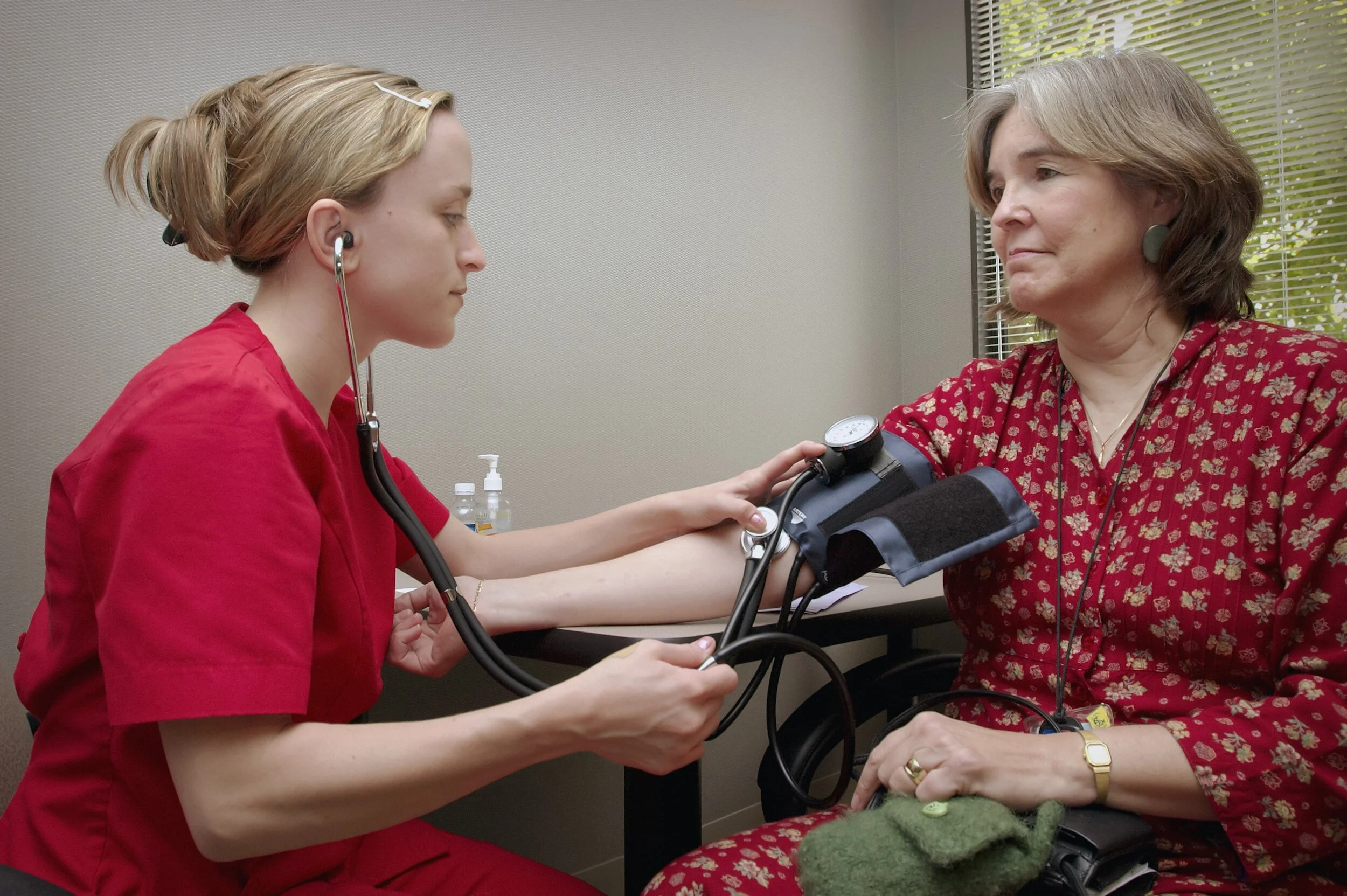
Why it’s Time to Retire the Term Non-Compliant
As a healthcare community, rather than labeling our patients based on our own perspective of privilege we should use the situation to ignite a call to action that we may have overlooked a valuable piece in our patient’s healthcare needs.
By Tiffany Ferguson, LMSW, CMAC, ACM
Non-compliance in healthcare typically means a patient who intentionally refuses to take prescribed medication or does not follow treatment recommendations. This term is often used in medical documentation as physicians and/or care team professionals categorizing patients in the “not doing what I say” category. The effects of this term projects a picture of intentional negligence by the patient, placing blame on their choices. Non-compliance was once a more popular term used in the medical community to remove perceived risk from the provider, however, recent research has created a different picture. According to research from Sous, W., Frank, K., Cronkright, P. et al. (2022), the term “non-compliant” has been shown to compromise care, particularly for marginalized communities. Ethically, this term has failed to demonstrate a provider’s respect for patient autonomy and has created a reverse effect of the “do no harm” mantra.
So, let’s give a hypothetical example: Mr. Jones has been placed under observation services at the local hospital for evaluation of his chest pain. Mr. Jones lives alone, about 20 miles from the hospital where he is seeking care. While working outside, he started having shortness of breath and chest pain, leading him to call 911. At the hospital, the care team starts running numerous tests on Mr. Jones, but all he can think about is his land and his animals back home. Mr. Jones is concerned about his heart, but was just hoping for some medication and to be back on his way. He really doesn’t like doctors’ offices, much less hospitals, and has spent many years avoiding them. When the physicians come in the room, they tell him what they are doing using hard-to-understand medical terminology. The nursing staff have been giving him medications and hooking him up to machines again with confusing medical terms. Mr. Jones has now been at the hospital overnight and although he is feeling better, he does not see the need to stay. He has his animals at home that need to be fed and he wants to take care of his property. Mr. Jones requests to leave. At this point, all efforts kick in from the hospital as they term Mr. Jones as wanting to leave against medical advance, AKA, the AMA discharge. They document his behaviors as non-compliant in the medical record, rather than diving into the misconception of the AMA discharge and Mr. Jones’ concerns. I will say that Mr. Jones agrees to help with his discharge and get the information he needs for follow-up care, and the care team even helps coordinate a ride home. However, the labeling in his record stands. He is a “non-compliant patient with an AMA discharge.”
The scenario creates the picture that our lives are filled with competing priorities and stressors. With the best of intentions, the non-compliant patient does not take their medication because they do not have the money to do so. The non-compliant patient misses their doctor’s appointment because they have no transportation or maybe the city bus was late. As a healthcare community, rather than labeling our patients based on our own perspective of privilege, we should use the situation to ignite a call to action that we may have overlooked a valuable piece in our patient’s healthcare needs. What if, instead of just assuming the patient is simply not following medical advice or making their medical care a priority, we consider the following:
Break down the process into more manageable steps and apply such methods as teach-back to assess the patient’s understanding of their healthcare requirements.
Evaluate the patient’s motivation toward their care and potential barriers they may be dealing with.
Assess for social determinants and cultural considerations that may make the information provided or their treatment requirements difficult to follow or comply with.
Encourage patient input and feedback to generate their own ideas and suggestions into their care needs.
I would imagine in our lives at one point or another we all could be labeled as non-compliant and in the busy schedule and demands on our healthcare system sometimes it is easier to write “non-compliant” than figure out the reasons why. However, this impacts access to care and healthcare outcomes for our patients.
References:
Sous, W., Frank, K., Cronkright, P. et al. Use of a simulated patient case and structured debrief to explore trainee responses to a “non-compliant patient”. BMC Med Educ 22, 842 (2022). https://doi.org/10.1186/s12909-022-03894-7

Must We Wait for the Pathology to code malignancy?
The idea behind the uncertain diagnosis guideline is that the resources utilized to rule out a condition are similar to the resources used to rule it in.
By Erica E. Remer, MD, CCDS
This article was inspired by an article I read by Cynthia Tang and Richard Pinson (https://libmaneducation.com/coding-of-possible-malignancy-diagnoses-when-the-pathology-report-is-pending/). They expressed their concern about Coding Clinic’s advice to code an uncertain malignancy diagnosis when the pathology report was pending (Be aware that their article referenced 2023 Second Quarter, but the question and answer really appeared in First Quarter. I’m a little mortified that I didn’t pick up on this issue when it first appeared!). The question regarded a “liver mass, possibly hepatic cholangiocarcinoma,” and the documentation also indicated that the pathology was still pending.
Coding Clinic advised that this did fall under the purview of ICD-10-CM Official Coding and Reporting Guidelines, Section II.H. (https://www.cms.gov/files/document/fy-2024-icd-10-cm-coding-guidelines.pdf), Uncertain Diagnosis. As we know, this guideline allows for the coding of an uncertain diagnosis qualified with a word like, “probable,” “suspected,” “likely,” or such, if the condition has not been ruled out prior to discharge or demise, on the inpatient side. Coding Clinic recommended assigning C22.1, Intrahepatic bile duct carcinoma in this case.
The idea behind the uncertain diagnosis guideline is that the resources utilized to rule out a condition are similar to the resources used to rule it in. The Diagnosis Related Group (DRG) payment system is based on a statistical model recognizing that a given principal diagnosis, in the context of accompanying secondary diagnoses, predictably costs a certain amount of money to work up and treat. If a patient has an infiltrate and you still believe it is due to pneumonia at the time of discharge, then the insurer paying your institution for a pneumonia DRG is reasonable.
It is interesting to use Simple Pneumonia and Pleurisy as an example. This is a three-tiered DRG (MS-DRG 193, with MCC- RW 1.3235; 194, with CC- RW 0.8190; 195, without CC/MCC- RW 0.6224). Let’s say the provider decides it was acute bronchitis and not pneumonia. That would land in MS-DRG 202, Bronchitis and Asthma with CC/MCC (RW 0.9527) or 203, without CC/MCC (RW 0.6927), depending on the associated secondary diagnoses. If the final diagnoses ended up being cough and fever because pneumonia was ruled out and no alternate explanation was offered, MS-DRG 204, Respiratory Signs and Symptoms, (RW 0.8196) would be assigned. Depending on the comorbidities, Simple Pneumonia and Pleurisy may not be the most favorable DRG, so routinely making an uncertain diagnosis because some administrator suggested you get paid more might not be the best plan.
For many uncertain diagnoses, there may be no way to ultimately determine a definitive diagnosis. There may be no conclusive way to prove it. No gold standard diagnostic criteria, no cultures, no imaging. It may come down to clinical judgment.
However, a mass which gets biopsied is a different story. There is a way to resolve the uncertainty.
We teach our providers to float an uncertain diagnosis of malignancy if that is their (strong) suspicion, so that we can avoid having to query them if the pathology returns positive. My position has always been that this is important to get right for more than landing in a more favorably reimbursed DRG.
The story of the encounter is not accurate or complete if a patient was found to have a malignant neoplasm, but it was not documented and captured. The pathology report should resolve the uncertainty.
In fact, if the provider were to make an uncertain diagnosis of malignancy and the pathology were to return negative, the correct reaction would be to query the provider for clarification to remove the diagnosis, if appropriate. The clinician would need to determine if they still believed there was a malignancy (the biopsy could have missed its mark and be misleading) or if they believe the diagnosis should be amended.
Pinson and Tang point out that it has “always been an HIM and coding practice that coding is not completed or final billed until the pathology report is available for inpatients, particularly to confirm a malignancy diagnosis.” They refer to not coding unconfirmed HIV infection, but I don’t think that is a good analogy. HIV, Zika, COVID-19, and certain identified influenza viruses are only coded as “confirmed cases” but you don’t have to have laboratory proof.
The provider’s assertion that the patient has the condition is sufficient. You are just advised to not code uncertain diagnoses of these conditions.
Is it premature to drop the claim before the pathology results return? Should the institution have a policy that the pathology needs to be reviewed prior to billing? I guess it depends on how long the typical pathology turn-around time is, how good the clinician is at suspecting malignancy diagnoses, and how irritated they will get at receiving a query to potentially reverse their diagnosis.
My opinion is that being branded as having a malignancy has profound implications and it would be preferable to hold encounters with pending pathology to ensure accuracy. If a patient dies, transitions to hospice, or declines a work-up, then an uncertain diagnosis resulting in coding a malignancy without confirmation might be appropriate.
Programming note: Listen to Dr. Erica Remer every Tuesday when she cohosts Talk Ten Tuesdays with Chuck Buck, 10 Eastern.

The Role Of Implicit Bias on Health Equity
Putting aside our overt racial issues (such as the recent U.S. Supreme Court ruling regarding affirmative action), I can’t help but continue to call attention to the subject of implicit biases and their impact on our progress. Implicit bias occurs automatically and unintentionally, passively influencing our judgments, decisions, and behaviors.
By Tiffany Ferguson, LMSW, CMAC, ACM
STAT News recently published an interesting series on a report released in 2003 by the National Academies Press, titled Unequal Treatment: Confronting Racial and Ethnic Disparities in Health. The release was groundbreaking at the time, focusing on the realities of racial disparities for both the provider and patient sides of healthcare. However, as STAT News reports, over the last 20 years, not much has changed, as it pertains to racial health disparities and associated health encounter outcomes. Although the conversations have been more frequent and in-depth, and data now often examines race, improved health has not been achieved.
As I review these articles and see the momentum, we are making in areas such as those covered by the social determinants of health (SDoH), it should be clear that poverty should never conceal racial health disparities that exist in our healthcare system. These racial disparities span all socioeconomic and education levels. On July 12, the New York Times published details from a United Nations report that concluded that racism and sexism were the primary attributes contributing to maternal deaths of Black women – not genetics or lifestyle choices. “Black women in the United States are three times more likely than white women to die during or soon after childbirth,” their article read. “Those problems persist across income and education levels, as Black women with college degrees are still 1.6 times as likely to die in childbirth than white women who have not finished high school.” Putting aside our overt racial issues (such as the recent U.S. Supreme Court ruling regarding affirmative action), I can’t help but continue to call attention to the subject of implicit biases and their impact on our progress. Implicit bias occurs automatically and unintentionally, passively influencing our judgments, decisions, and behaviors.
Last year, Forbes contributor Dana Brownlee wrote an op-ed piece that challenged one implicit bias concept in particular: a common refrain by white individuals that color does not matter (often said to appease our own sense of discomfort when it comes to race). Brownlee’s article, titled Dear White People: When You Say You “Don’t See Color,” This Is What We Really Hear (forbes.com), noted that when individuals say that “people can’t make an impact on what they don’t see … people can’t address what they don’t acknowledge. People can’t affect change around what’s already been dismissed. I can guarantee that if a person is holding on to an ‘I don’t see color’ worldview, they are not doing too much of anything to move the needle on racism.”
So, in my initial example regarding racial inequality for Black maternal health, what if we start by automatically flagging Black women as being at high risk in maternal care, requiring access to additional care and services to ensure that they receive the necessary support they need? This is a detour from our prior notion that we cannot flag patients, because this will lead to labeling. But in doing so, are we failing to acknowledge the role that race is playing in our poor health outcomes? Additionally, data pertaining to hospital health outcomes, nationally and locally, should not only include reference to poverty, but reviews should include examination for racial disparities across all indicators.
The first step to address race as a health inequity is to acknowledge its existence and take the necessary steps to represent it as a health risk factor that requires additional attention and treatment.

Clinic Overflowing with Helpful Guidance
Today I am going to go over what I picked up from the American Hospital Association’s (AHA’s) Coding Clinic for the second quarter of 2023. It was chock-full of interesting advice.
By Erica E. Remer, MD, CCDS
Today I am going to go over what I picked up from the American Hospital Association’s (AHA’s) Coding Clinic for the second quarter of 2023. It was chock-full of interesting advice.
Two weeks ago, I went over COVID-19 screening. I think Coding Clinic should have explained why we continue to use Z20.822, Contact with and (suspected) exposure to COVID-19 after May 11, instead of just noting that “this advice is consistent with current coding guidance.” In theory, once there is no longer an epidemic or pandemic, we should be using “contact with” and “suspected exposure” only when we recognize that is the probable scenario. In practice, they are setting the timeline as the end of the fiscal year in which the pandemic ended (that is, 2023).
I learned a new code in my review! There is a code, R97.21, Rising PSA following treatment for malignant neoplasm of prostate. This offers a solution on how to code biochemically recurrent prostate cancer, post-prostatectomy, and salvage radiation therapy. The Coding Clinic indicated that, since the prostate had been resected, the culprit has to be a metastasis, and since the site is unknown, you can use C79.9, Secondary malignant neoplasm of unspecified site. My new code is also used because that was how they diagnosed it – that is what “biochemically recurrent” means.
A question was posed regarding a patient getting a workup for a suspected malignancy, when an excisional biopsy of a supraclavicular lymph node revealed metastatic non-small cell lung cancer. The question related to the sequencing of the primary and secondary malignancies. Although the procedure is ostensibly linked to the secondary malignancy, the primary malignancy is the condition responsible for both the metastasis and the overall workup/hospital admission. The response is to sequence the primary lung cancer as principal diagnosis (PDx). One should only sequence metastasis as PDx if it is the only focus for diagnostic or therapeutic treatment.
An interesting question was asked about venous thoracic outlet syndrome causing left upper extremity swelling and acute left subclavian deep vein thrombosis. The indexing led to G54.0, Brachial plexus disorders, but the questioner proposed I87.1, Compression of vein, as a more accurate clinical representation. The reviewer agreed that since the pathology involved the vein, not nerves, further research should lead the coder to I87.1. To my clinician brain, “compression” usually indicates external forces impacting on the anatomy, like a tumor pressing on the trachea. However, ICD-10-CM indexes kink, obstruction, stenosis, and stricture to “compression of vein,” too.
On page 10, there is a question about a patient with pre-existing Type 2 diabetes presenting with hyperglycemia believed to be secondary to autoimmune diabetes after initiation of immunotherapy medication. The answer was to use only E11.65, Type 2 DM with hyperglycemia and T45.1X5A, Adverse effect of antineoplastic and immunosuppressive drugs, initial encounter, for the exacerbation of the disorder of sugar metabolism. I couldn’t help but wonder – where would you go if there were no underlying, pre-existing Type 2 diabetes? In that case, the diabetes code would be E09.65, Drug or chemical induced diabetes mellitus with hyperglycemia.
Page 15 features a question about a post-abortion complication. A patient presents for an elective termination of pregnancy due to a genetic abnormality and sustains uterine atony and hemorrhage. If there were a post-abortion code analogous to O72.1, Other immediate postpartum hemorrhage, that would be the right choice. However, since there is not, the advice is to use O04.6, Delayed or excessive hemorrhage following (induced) termination of pregnancy, plus the code for the maternal care for the chromosomal abnormality. Currently, there is an Excludes1 note at O04 precluding concomitant use of Z33.2, Encounter for elective termination of pregnancy, but this will become an Excludes2 on Oct. 1. For this particular code, it makes sense, because excessive hemorrhage could occur at the time of the encounter for the termination (or could be delayed until a subsequent visit).
My final comment is that the reason why linkage is assumed resulting in the “with” guidance is that the conditions with the assumed causal relationship are commonly associated, not because the ICD-10-CM classification mandates it. It is the other way around; ICD-10-CM acknowledges the near-inevitable relationship between, for instance, hypertension and heart failure, or diabetes and chronic kidney disease, by assuming causality unless specified otherwise. The words “due to” do establish the relationship if the provider documents them (e.g., hypertension due to hyperthyroidism à I15.2, Hypertension secondary to endocrine disorders).
Please review the Coding Clinic guidance yourself. There are more nuggets to collect.
And I’d like to extend an invitation to all to join me on LinkedIn on Thursday at 1:30 p.m. EST for my next “Ask Dr. Remer.” You can find the link on my company page, Erica Remer, MD, Inc. Hope to see you then.

Getting Down to Brass Tacks with Providers About Documentation
When the purpose of documentation melded into the support behind reimbursement and quality monitoring, no one really explained this shift to the doctors and other providers.
By Juliet Ugarte Hopkins, MD
When I was a medical student in the late 90s, one of my attendings sectioned off a third of the sheet of paper in the medical record before me and instructed my note could not be larger than that area. Overwhelmed with a desire to capture every point about the patient’s story and condition which I considered of interest, I proceeded to write in tiny text so two lines fit into every one printed on the lined paper. While this memory makes me chuckle, it also reminds me of one reason why we continue to have such an issue with inadequate provider notes.
Back in the day, brevity in medical documentation was practically a badge of honor. You’ll be hard-pressed to find a physician between the ages of 40 and 80 who doesn’t remember at least one “legend” who kept a rolodex in their clinic office with a single index card per patient. Not per patient encounter – PER PATIENT. And, let’s be honest, who hasn’t rolled their eyes at a hospital surgical note which is a single sentence long?
Documentation started out as a record of patient condition for the documenters themselves – reminders of what they saw and addressed the visit before. With the rise of sub-specialization and team-approach medicine, office and hospital notes evolved into a type of communication using abbreviations and symbols which required special education to decipher. At the time, passing information between practitioners was of primary importance and the main reason for documentation. Everyone was on the same page (literally, before the development of electronic health records), and was kept in the loop with the plan for the patient.
When the purpose of documentation melded into the support behind reimbursement and quality monitoring, no one really explained this shift to the doctors and other providers. I stopped practicing clinically in 2014 and it was about a year before that when my group of pediatric hospitalists first spoke with someone “in the billing department” about specificity of documentation for patients with asthma and avoiding the term “urosepsis.” What was the reasoning behind this direction? “To make sure the documentation is as specific as it can be.” As you might expect, my colleagues and I were unimpressed. In fact, I did not understand what was REALLY being said until after I became a physician advisor working closely with utilization management and clinical documentation integrity teams.
Why? Because no one took the message down to brass tacks. Provider terms do not equate to coding terms and without proper coding, there is no proper payment to the hospital. Without proper payment to the hospital, services our patients need can’t be afforded. Without the ability to provide services our patients need, they would divert elsewhere and ultimately, the hospital will close. And, we haven’t even touched on quality and things like expected length of stay and outcomes….
My hope is that within the last ten years, the message about clinical documentation integrity has grown more to-the-point. But, I know the reality involves a continuation of many, many doctors across the country not understanding why they are being asked to “beef up their documentation.” How can you help with this effort?
Before anything else, it’s crucial to understand, appreciate, and empathize with the unavoidable fact that physicians, first-and-foremost, are most concerned with providing medical care to their patients. I’m talking about face-to-face conversations, hands-on examinations, and complex rumination about the assessment and subsequent plan. These actions which lead to actual stabilization or improvement of a patient’s medical condition are paramount to the physician. RECORDING these events will always feel like busy-work at best and an utter waste of valuable and increasingly limited time, at worst. When speaking with a provider for the first time about documentation issues, I make it clear we are on the same page about this and have no disagreement.
My next introductory point to providers involves the hard truth of the times they are practicing in. “The business of medicine” is no longer something physicians can avoid. Period. While in years and decades past, those in the white coats could leave things like hospital and patient finances to “the suits,” those days are gone. Like with any business, non-profit or not, if there isn’t enough money coming in to pay for the services provided, the services can’t be provided. Since all billing and subsequent reimbursement is based on what providers include in the medical record, there is no getting around physicians having a great deal of responsibility for the financial health of their clinics, hospitals, and health systems. Make no mistake, providers HATE this connection. Many, if not most, believe provider documentation should solely remain as communication between the care team members and not be relied upon for creation of the bill for services. Especially in the evolving world of artificial intelligence and electronic health records, there is a strong belief that there must be other ways to create an accurate bill without getting the providers into the fray. Unfortunately, at the current time, there is not. There is no wiggle room, here.
All physicians believe they provide the best care possible to their patients, but the death of paternalistic medicine brings the need to track and demonstrate truth in outcomes. It would be ridiculous to bunch stats for the Major League Baseball team based on the North side of Chicago in with those for the Olentangy Little League travel team in Ohio simply because both are named the “Cubs.” Likewise, not all “asthma exacerbation” is the same and expected to follow the same treatment and recovery path. If the subtleties of asthma type are not elucidated in the record, you’re going to have the equivalent of Wrigleyville players’ reported performance on SportsCenter leading to 75% pay cuts for each and every Cubbie.
Physicians have long referred to patients as “theirs.” “One of my patients really turned the corner and I’m so happy I can discharge him before Halloween,” is for certain a sentence I have uttered in my clinical past. We are personally invested in the care of our patients but this mindset must expand beyond the patient themselves and beyond the day-to-day plan. Make sure your providers know that providing the best care means keeping that care available in the area. Just 20 years ago, the threat of the local hospital closing was not on the mind of many in healthcare. Hospitals were a staple entity, a pillar of their communities which were possibly a presence for 100 years and expected to stick around for at least 100 years more. Now, dozens of hospitals close a year and even more reduce or eliminate specific services entirely due to lack of funds. Like it or not, justified or not, these funds are dependent on provider documentation in multiple ways.
Physician notes no longer simply serve as communication between medical team members. They are the very basis of ensuring patients receive safe, quality, effective healthcare and the foundation of reimbursement to the clinics, hospitals, and other facilities which allow patients to receive this care. Is this a heavy lift? Absolutely. Should we reconsider daily provider patient loads to allow sufficient time for this critical responsibility to be accomplished well? Something to consider….
About the Author
Juliet B. Ugarte Hopkins, MD is President of the American College of Physician Advisors, founder and CEO of Velvet Hammer Physician Advising LLC, and a member of the consulting team for Phoenix Medical Management, Inc. Dr. Ugarte Hopkins practiced as a pediatric hospitalist for a decade in Illinois, then developed the physician advisor role for case management, utilization, and clinical documentation at a three-hospital health system in Wisconsin. She was the first physician board member for the Wisconsin chapter of the American Case Management Association (ACMA), is a member of the RACmonitor editorial board, and is an author and national speaker.

What Two Factors Drive Huddles?
When rounds are rolled out, I typically see a list of items that “should be covered;” however, I rarely see a discussion with each stakeholder group that dives into the value and worth of rounds to each discipline. The goal of rounds is to get all attendees on the same page, ensure an inline approach for patient communication, and share relevant information with an outcome of reduced intrusions throughout the day. The physician does not want to attend rounds, leave, and then get multiple texts, phone calls, and secure chats from the very same groups that attended the rounds.
By Tiffany Ferguson, LMSW, CMAC, ACM
Generically, hospital multidisciplinary rounds, or “huddles” (I will use these terms interchangeably throughout the article) should occur at a consistent time and location for attendees to discuss patients’ discharge plans or progression of care needs. The true success of rounds relies on two factors: collaboration and accountability.
Just consider how often the following scenarios occur. Unit-based huddles take place with nursing, case management, and the physician advisor; however, the attending physician is absent because “they just can’t make it work.” Maybe their assignments are not unit-based, and thus they are on one unit when their patients are throughout the hospital (not at all conducive to rounds).
The second scenario is when the physician is in attendance, but they come in and run their list of patients while everyone else in the room listens. The physician must then direct the team for responses regarding patient care needs or discharge planning needs. In this case, it is not uncommon that the physician or hospitalist group has been “voluntold” that they are required to attend this daily meeting, in an effort to speed up the discharge process. In both cases, the value of the huddle to the physician is evident – minimally useful, meaning that in some cases, they find a way to completely avoid the process.
Collaboration
When rounds are rolled out, I typically see a list of items that “should be covered;” however, I rarely see a discussion with each stakeholder group that dives into the value and worth of rounds to each discipline. The goal of rounds is to get all attendees on the same page, ensure an inline approach for patient communication, and share relevant information with an outcome of reduced intrusions throughout the day. The physician does not want to attend rounds, leave, and then get multiple texts, phone calls, and secure chats from the very same groups that attended the rounds.
Through a collaborative process, the care team can identify the intention of rounds – discuss all patients for updates and progression of care, or only focus on up-and-coming discharges for preparations. In this case, the topics for discussion will be slightly different. A simple way to ensure that each member identifies his or her role in rounds would be to follow the “plan” approach:
Plan for the Stay (Physician);
Plan for the Day (Nursing);
Plan for the Way (Case Management);
Plan for the Pay (UR/UM, Physician Advisor); and
Plan for the Say (message to patients).
Accountability
Once the purpose of rounds or huddles is established, the next piece of the puzzle is to guarantee accountability of the stakeholders involved. Such phrases as “it’s my first day on” or “I didn’t review any of my patients yet, I just got here” are counterproductive to the process. On any given day of the week, it is each person’s first day on – that is why the rounds exist, to help each member get up to speed, so they do not have to start from scratch and reinvent the care plan. Thus, coming to rounds is critical; case managers or charge nurses that have not reviewed their patients or talked to their floor nurses for reports is unacceptable. If it is not possible to accomplish it in the morning, by the time rounds occur, move the meeting to a later time, when everyone can guarantee they are prepared.
During rounds, follow-up items and information is collected among the members; this may be to order changes or “to-dos” for the group. When members leave rounds, the expectation is that these items for follow-up will be completed. This ensures that the only further intrusions later in the day are new discoveries or changes to the patient plans of care.
Collaborative multidisciplinary rounds create the opportunity to enhance patient outcomes through coordinated approaches and optimized treatment plans. Although the team is moving in different directions throughout the day, from the patient’s perspective, the care team is all aligned, and making them feel safe in their plan of care. The team understands each member’s role and contributions in the care delivery process and is accountable to the collective success of the group. That connection develops at rounds or huddles, with each member understanding their role, their objectives, and how they are being held accountable for their deliverables.
Programming note: Listen to Tiffany Ferguson report this story live today during Talk Ten Tuesdays, 10 Eastern, with Chuck Buck and Dr. Erica Remer.

Are Hospitals Over-Consulting Physical Therapy?
From a hospital throughput process, the over-utilization of PT consults creates a large delay, especially for patients under outpatient with observation services (OBS) who are expected to have a quick turnaround, but are now delayed for mobility assessments, regardless if this is a contributing factor to their need for hospital observation services. The result of this consultation is then exacerbated if the therapy assessment recommends post-acute placement, triggering further delays for case management planning and arrangements
Written By Tiffany Ferguson, LMSW, CMAC, ACM
A regular comment I hear from hospitalist medicine and case management staff is “we are waiting on the PT consult” or “we are waiting for PT to document their recommendations.”
Physical therapists have experienced many of the same shortages since the COVID-19 pandemic began as the rest of the healthcare industry, with clinicians exiting the hospital setting and many going into alternative work environments for an improved work-life balance. Many hospitals have had to utilize contracted labor or physical therapy assistants (PTAs) for the majority of patient therapy needs, due to the limited PTs being stretched across the inpatient and outpatient hospital-based services to evaluate and treat patients. There are just not enough therapists to meet the demand. However, is such a demand required? Rather than increasing labor costs, should hospitals be asking themselves “are we over-consulting PT?” And is this leading to a delay in patient progression of care, not to mention unrealistic referrals for post-acute care?
In 2021, this topic was reported on by the Society of Hospital Medicine, which found that 38 percent of physical therapy consults were identified as potentially inappropriate. It is a well-known practice for hospitalists to place consults upon admission for PT and occupational therapy (OT), for early assessment and intervention of patients to assess mobility and post-discharge needs, even when there is no medical necessity for such consults. Once consulted, PT and OT are often unable to delete the inappropriate order, and instead will at least complete an initial assessment of the patient to assess their functional and mobility status.
One thing I wonder is if the metric and strong emphasis on fall prevention in hospitals across the nursing discipline and quality departments have created an unintended consequence for our patients and therapists. I often see large signs promoting how many days units have been “free from patient falls.” Patients who experience a fall have a quality report (and often a safety risk report) filed. Although this is an important process, it can still seem quietly punitive for the nursing unit or individual nurse.
The easiest way to avoid the negative impact of patient falls is to keep patients in bed. In 2019, KFF News and The Washington Post ran an article warning of this exact issue: “Fear of Falling: how hospitals do even more harm by keeping patients in bed.” As if the title wasn’t pointed enough, they went on to note that “hospitals have become so overzealous in fall prevention that they are producing an ‘epidemic of immobility.’”
To identify a patient’s fall risk, we see patients receiving PT and OT consultations for safety and mobility assessments – then the mobility of the patient, unless independently ambulating, is up to the PTAs, who see the patient daily and get them moving. Instead of promoting mobility and walking in between the consults, nursing units place bed alarms on patients.
From a hospital throughput process, the over-utilization of PT consults creates a large delay, especially for patients under outpatient with observation services (OBS) who are expected to have a quick turnaround, but are now delayed for mobility assessments, regardless if this is a contributing factor to their need for hospital observation services. The result of this consultation is then exacerbated if the therapy assessment recommends post-acute placement, triggering further delays for case management planning and arrangements.
To break the cycle of overutilized therapy consults for PTs who are under-resourced, hospitals should consider tracking the consult utilization of patients resulting in PT signing off on discharges home without services. This data represents a great first step to identify inappropriate consults.
Dr. Martinez from the University of Chicago recommends patients receive a quick Activity Measure Post-Acute Care (AM-PAC) assessment prior to consulting therapy for patient assessment. Additionally, hospitals have started looking at bringing back patient care technicians and hiring mobility technicians to mobilize patients, rather than relying on the therapy department and supporting the multiple constraints in the nursing divisions.
There is no question that avoiding patient falls is important, but have there been unintended consequences resulting from overutilization of PT and limited patient mobility?
Programming note: Listen to Tiffany Ferguson’s live reporting on the social determinants of health (SDoH) today on Talk Ten Tuesdays with Chuck Buck and Dr. Erica Remer, 10 Eastern
References
Bailey, M., (October, 17, 2019). Fear of Falling: How hospitals do even more harm by keeping patients in bed.” KFF News Retrieved from https://kffhealthnews.org/news/fear-of-falling-how-hospitals-do-even-more-harm-by-keeping-patients-in-bed/
Doyle, E. (January, 2022) Are hospitalists calling too many PT consults? Today’s Hospitalist Retrieved from https://www.todayshospitalist.com/hospitalists-calling-many-pt-consults/
Martinez, M. (August 18, 2021) Defining Potential Overutilization of Physical Therapy Consults on Hospital Medicine Services. Journal of Hospital Medicine (August 2021). DOI 10.12788/jhm.3673

When Did the Hospital Become a Pathway to Housing?
This blog is one example of the systemic issues in our communities: there is a failure to intervene with patients, resulting in an unnecessary hospitalization, meaning that their social determinant, most often housing, can be solved in the hospital.
Written By Tiffany Ferguson, LMSW, CMAC, ACM
In my recent hospital travels, involving working with frontline case management staff, we completed an initial assessment and intervened with a patient who provides one example of the significant issues hospitals are seeing when it comes to social admissions. The patient was a 47-year-old quadriplegic male admitted with back pain. The patient had a significant trauma approximately five years ago from a diving incident that completely turned his life upside down and landed him dependent on family and governmental support.
The patient was admitted to the hospital under outpatient with observation services while his “back pain” was being evaluated. In reviewing the hospitalist history and physical examination (H&P) we learned that the patient was “hoping to go to skilled care until he could move into his brother’s house.” This is a red flag, from a case management standpoint, and warranted further investigation with the patient.
During our conversation with this likable gentleman, we saw his predicament: his one brother, who is a paid caregiver, can no longer easily care for him due to his own age and debility. The patient’s other brother is now willing to take him in and care for him, but his home will need significant remodeling to handle the patient’s handicap needs. The patient believed that if he “got into the hospital,” he could either get greater caregiver support or go to skilled nursing while the home repairs were completed. When asking the patient why he believed the hospital would solve this problem, he stated that this is what he remembered his previous rehab physician telling him.
This is one example of the systemic issues in our communities: there is a failure to intervene with patients, resulting in an unnecessary hospitalization, meaning that their social determinant, most often housing, can be solved in the hospital. Patients are sitting in beds in hospitals across the country, as we speak, because they are homeless and lack access to supportive shelters, because their home situation is inadequate, or because they require a pathway to long-term nursing care facilities. Time and time again, the hospital has become the answer to these determinants, rather than the community-based social services.
Physicians’ heartstrings are being pulled with patients being admitted to the hospital, because their social situation is “not safe,” skewing the boundaries and definitions of medical necessity. This is by far the most expensive means to a necessary result to help these individuals, and unfortunately, the payor system does not support the need. In our fee-for-service world, this patient scenario will likely result in denied days for observation from his managed Medicaid plan. The hospital case manager and physician will then deal with the ethical dilemma of discharging this patient and many others back to their subpar conditions.
This patient does not belong in a skilled nursing facility (SNF), nor does he have medical necessity for such placement. The easy answer would be to try anyways, but instead, the case manager and I spun our wheels trying to creatively find social-service and volunteer agencies to help this patient, while also trying to find his long-term care case manager. Our efforts were an attempt to get his caregiver hours increased and educate the patient on the realities of his health insurance and unnecessary hospitalization.
This topic will continue to be an area of conversation by MedLearn Media, with Dr. Hirsch’s upcoming webcast regarding payment and compliance for the “Outpatient in a Bed” designation, as well as future webcast topics focusing on social complexities and methods for hospitals to handle such patients.
The initial answer involves figuring out how we can prevent the regular response of “go to the hospital” – and if the patient arrives nonetheless, how we delineate social complexities with unideal determinants from medical necessity.
Programming note: Listen to Tiffany Ferguson’s live reporting on the social determinants of health (SDoH) today on Talk Ten Tuesdays with Chuck Buck and Dr. Erica Remer, 10 Eastern.

Strategies for Creating a Valuable Utilization Review Committee
The federal statute 42 CFR § 482.30, in the Conditions of Participation for Utilization Review (CoP), requires that each hospital must have in effect a utilization review (UR) plan and a utilization review committee (URC). The CoP lists specifications regarding committee requirements; however, it is left up to the hospitals to decide how functional these committees will be.
Written By Tiffany Ferguson, LMSW, CMAC, ACM, and Ryan Greiner, MD
The federal statute 42 CFR § 482.30, in the Conditions of Participation for Utilization Review (CoP), requires that each hospital must have in effect a utilization review (UR) plan and a utilization review committee (URC). The CoP lists specifications regarding committee requirements; however, it is left up to the hospitals to decide how functional these committees will be.
Utilization Management versus Utilization Review
Utilization management (UM) is encompassed by processes and workflows put in place by hospital leadership to contain costs, improve operating efficiency, and enhance use of hospital resources. UR is a subset of UM, and refers to the tools and methodologies that hospitals and payors use to ensure that the appropriate level of care in the hospital is achieved for patients.
Regardless of what each hospital calls its UR committee (URC or UMC), the functions within this committee should address topics related to the utilization management of the hospital, and should be clearly stated in their UR plan. Utilization review will involve the day-to-day activities of UR specialists and physician advisors. These specialists will likely overlap with the URC, and will be called upon during the day to address requirements for Medicare and Medicaid beneficiaries, such as discharge appeals and Condition Code 44s. The aggregated data, plus more, will be discussed as part of the URC, as it applies to the UM strategy for the hospital.
Meeting the Minimum Expectations
URC must consist of two or more practitioners who carry out the UR function for the hospital. They typically include leadership in UR and/or case management. In addition, there must be two members of the committee who are physicians, ideally directly impacted or involved with the UM interests of the organization. Typical individuals who fulfill this role are a hospital’s physician advisor, chief medical officer, medical director for hospitalist, and/or medical director for emergency physicians. The goal is to ensure that the members of the committee are interested and invested in the topics discussed, and can leverage other key stakeholders in the hospital, especially when reporting URC meeting updates to the medical executive committee. These two physicians must be part of the medical staff; however, there is no requirement that they be employed by the hospital.
It is also important to note that although the committee will be reviewing physician and departmental data and utilization practices, the committee holds no direct authority regarding performance issues. During a hospital survey by its accrediting body or during state review, the hospital will be expected to furnish their UR plan, UR committee meeting minutes, sample presentations, and evidence of meeting attendance, as well as follow-up actions to the topics discussed. The surveyors will be looking for congruency from what is in the plan to what is discussed in the URC (and acted upon in the committee). Surveyors will typically expect the URC to meet on at least a quarterly basis. The scope of CoP 482.30 defines that the URC is responsible for the management and review of hospital resources, including admission status, continued or outlier patient stays, and use of professional resources, so these items will need to be addressed specifically.
Making the Committee Meaningful
What the rules do not say:
Who else is included in the URC as committee members. Such members could be leadership from nursing, surgery, emergency, bed placement, clinical documentation integrity (CDI), health information management (HIM), financial analysis, denials and appeals, revenue cycle, lab, pharmacy, and/or physical therapy.
What the topics discussed by the committee will be. The goal of the committee is to evaluate resource utilization of the organization. Examples are given regarding blood product usage and antimicrobial stewardship; however, the committee could also be reviewing such items as hospital deferrals, medical supply wastes, or unnecessary surgery cancellations.
How frequently the committee can choose to meet, and if the committee would want to have subcommittees, such as connecting the URC directly with a denials committee or patient complex case reviews (which could be optimal).
Why topics are presented, and what format they are given. Engaging your audience means avoiding death by PowerPoint. Consider asking the leaders involved in the work to provide slides, and ensure that the slides are easy to understand and involve questions and topics for committee discussion.
Consider reviewing with hospital leadership/c-suite the top priorities of the organization regarding resource utilization, and see how those can be addressed through the committee either directly or as a subcommittee that will report its findings. This will allow for greater c-suite engagement – and potentially more physician engagement. This will also ensure that these issues do not fall to another area, where leadership is forced to have “yet another meeting,” when it could all flow through the URC (the meeting that is required).
Topics to consider:
Observation rate and length of stay (LOS; likely just the topic that will get the CFO to sit in and see what’s happening);
Trends of concurrent and retroactive denials;
Hospital diversions and ED holds;
Canceled surgeries due to lack of authorization;
Throughput: progression of care delays;
Outlier case reviews of extended stays and high costs (consider as a weekly subcommittee);
Review of the Program for Evaluating Payment Patterns Electronic Report (PEPPER), which can be useful as it pertains to discussing outliers, and may give the team additional areas to focus on for improvement. If you don’t receive this, you can find information at https://pepper.cbrpepper.org/;
Overutilization of services: imaging, lab, therapy;
Antimicrobial stewardship/pharmacy;
Avoidable day reports and action steps;
Value-based metrics and hospital performance related to costs of care;
Compliance concerns related to audits; and
HIM, coding, and CDI performance.
Sample UR Committee
Given the potentially broad scope of work inherent to modern UM, the minimum requirements for the URC are arguably insufficient to address evolving healthcare system needs. Health systems are increasingly charged with ensuring the provision of value-based care, appropriate use of healthcare resources, and standardization of evidence-based treatments, while also maintaining revenue and compliance integrity. Healthcare customers are increasingly cost- and insurance-savvy, with expectations that their healthcare providers be effective custodians of their insurance benefits and bank accounts. As such, the traditional URC alone is just not enough in today’s complex healthcare ecosystem.
The regulatory and survey requirements for the URC are established, and the rules still need to be followed to the letter. However, structuring a modern and effective UM program dictates the need for a more robust arrangement of multiple committees that report their activities and outcomes to the URC. One approach, adopted at North Memorial Health Hospital in Robbinsdale, Minnesota, utilizes multiple committees charged with various aspects of URC requirements and effective UM practices. This approach has been an effective way to produce optimal outcomes. The following is a visual representation of that approach, followed by the descriptions and charges of those committees:

URC:
The committee charged with the traditional mandated activities, as outlined in the minimum requirements, with the addition of functioning as a steering committee for subcommittees. The URC can report through various leadership structures, including medical executive, quality, and clinical leadership.
Denials Prevention and Management (DPAM):
Primarily adjudicates contracted plan denials, including Medicare Advantage (MA) plans. This committee ensures that there is no single decision-making on self-denial or the decision not to appeal a case. If not overturned, all failed peer-to-peer cases are reviewed for decision on post-bill appeal. If the decision is to self-deny or accept denial, reason for acceptance is documented for reporting, trending, and tracking. This is an excellent venue for physician advisor and UM/RN education, led by the denials management RN coordinator.
Readmission Prevention and Management (RPAM):
Addresses unique treatment plans for high-utilizers, reviews avoidable readmissions for quality improvement initiatives, and addresses readmission denials for potential appeal. It is led by the CM manager and supervisor.
Avoidable Nights Prevention and Management (APAM):
Reviews avoidable night reports, identifies trends, and establishes quality improvement initiatives that can be assigned to appropriate hospital committees for additional work. It is led by the UM manager.
Acute Care Medicine/Clinical Leadership Council (ACM/CLC):
Multidisciplinary committee that develops, implements, and tracks evidence-based clinical care pathways. It is resourced with data analysts, IT/EHR experts, provider champions, nursing, and other key stakeholders, and is led by the medical director for quality.
Standing members are part of all committees, including UM/CM RNs, UM/CM leadership, physician advisors, and the medical director for UM/CM. In addition, based on the committee charter and responsibilities, revenue cycle, clinical, and quality team members are assigned as permanent members. Interested members of the medical staff are also invited to participate.
Structuring the innumerable responsibilities of URC into subcommittees can allow for more effective outcomes by targeted participation of busy team members and leaders and the creation of multiple pathways to achieve optimal outcomes for patients and the health system. URCs do not need to be perfunctory meetings that only exist because they are mandated by the Centers for Medicare & Medicaid Services (CMS). They can be optimally designed to run and operate via creative means to manage and improve the usage of hospital and patient resources.
References:
Daniels S. & Hirsch R. (2021) The Hospital Guide to Contemporary Utilization Review, Third Edition. HCPro, Brentwood, TN.

Update: What Case Managers Need to Know About the 3 Day Rule for SNF Stays
The COVID 19 Public Health Emergency (PHE) is expected to end on May 11, 2023. When this occurs the waiver for the Qualifying Hospital Stay (3-Day Stay) will end as well.
This article is in collaboration with the Center for Case Management.
Written By Tiffany Ferguson, LMSW, CMAC, ACM, and Melissa Ward, MSN, BSN, RN
The COVID-19 Public Health Emergency (PHE) is scheduled to end on May 11, 2023.
When this occurs, the waiver for the Qualifying Hospital Stay (3-Day Stay) also ends—reinstating the 3-day inpatient requirement to qualify for Medicare A coverage of a Skilled Nursing Facility (SNF).
The 3-day stay is based on the time of the order for inpatient; the patient must pass three midnights of continued, medically necessary inpatient hospital care to qualify for skilled nursing placement.
Case managers need to resume tracking their Traditional Medicare patients if identified as potential skilled nursing placement. We caution relying on the SNF to authorize the stay as they may not know the exact date and time of the inpatient order.
Things to consider as this rule is reinstated:
This is a CMS rule for traditional Medicare patients.
Medicare Advantage (MA) plan has specifications in their contract and provider manual that may allow the transfer of patients to skilled placement regardless of the 3-day rule or even the requirement of inpatient admission.
Case managers should also be aware of the 30-day and 60-day benefit periods that apply to the qualification of the 3-day stay.
Patients who have a break in skilled care that lasts more than 30 days will need a new 3-day hospital stay to qualify for additional SNF care
The new hospital stay doesn’t need to be in the same condition that they were treated for during the previous stay
For patients that do not have a 30-day break in skilled care, then the 3-day stay rule does not apply
As a reminder, patients with high utilization of SNF placement must be out of acute care for 60-days for their benefits to restart. There can be a significant financial impact to those patients that lose this coverage.
Case managers need to stay informed on any changes or updates related to the COVID-19 PHE and its impact on healthcare services. As the situation evolves, new information or changes that affect patient care and case management processes may become available.
Key Takeaways:
The 3-day inpatient requirement to qualify for Medicare A coverage of a Skilled Nursing Facility (SNF) will be reinstated due to the end of the Public Health Emergency which is scheduled to end on May 11, 2023
Case managers need to resume tracking their Traditional Medicare patients if identified as potential skilled nursing placement.
The 3-day rule for inpatient stay applies to traditional Medicare patients. Medicare Advantage plans are not required to follow.
Ensure awareness of the 30-day and 60-day benefit periods that apply to the qualification of the 3-day stay as financial impact to the patient if requirements are not met.
Partnership with Utilization Management is vital to minimizing the risk of denials or reimbursement delays.
Useful Tips:
Develop a tip sheet for new providers who were not in practice when the rules changed or not aware that rules are returning.
Present this information at your UR committee meeting and service line meetings.
Collaborate with your UR team who may understand the payer rules related to these changes.
Consider patient/family education regarding these changes.
Work with your emergency room case management team to ensure they are addressing alternatives for patients with potential avoidable admissions or within the 60-day window.



What Case Managers Need to Know About the 3 Day Rule for SNF Stays
The end of the public health emergency (PHE) brings new challenges regarding the old Three-Day rule.
This article appeared on RACmonitor.com on April 27, 2023
The end of the public health emergency (PHE) brings new challenges regarding the old Three-Day rule.
The three-day stay for Medicare patients is the requirement that based on the time of the order for inpatient, the patient must pass three midnights of continued inpatient hospital care to qualify for skilled nursing placement.
The reminder of this rule is important for many case managers as we have had a break for the last two years from counting midnights. This will be one more thing that case managers will need to make sure they are tracking when it comes time to transfer qualifying Medicare patients to skilled nursing facilities. The two-day rule for inpatient stay specifically applies to traditional Medicare patients, patients that have a Medicare Advantage (MA) plan have specifications in their contract and provider manual that may allow the transfer of patients to skilled placement regardless of the three-day rule or even the requirement of inpatient admission.
Case managers will want to check their hospital contracts and verify during the skilled nursing authorization period if the contracted payer will once again make this a requirement. I would expect the hospital case management team to be up to date on this expectation as one cannot rely on the skilled nursing facility (SNF) to know the exact date and time of the inpatient order. However, similar to before the PHE, it was a common occurrence for case managers to submit a copy of the inpatient order when sending clinicals to the post-acute facility to verify the inpatient admission date and time.
There are some additional specifications to the rule that is important to remember. The qualification of the three-day stay surrounds two calendar periods— a 30-day period and a 60-day period of benefits.
The 30-day period states that if a patient has a break in skilled care that lasts more than 30 days, they will need a new three-day hospital stay to qualify for additional SNF care. The new hospital stay doesn’t need to be in the same condition that they were treated for during the previous stay.
For patients that do not have a 30-day break in skilled care, then the three-day stay rule does not apply. For example, a patient was inpatient on the index admission for four inpatient hospital days, the patient was recommended for SNF, but elected to go home with home health instead. The patient went home for two days and realized this was a terrible idea and returned to the hospital. The patient was readmitted as outpatient with observation services and recommended again for SNF placement. The patient would still be eligible for SNF placement because they completed a qualifying inpatient hospitalization during their index admission, and it was within the 30-day period.
Patients that go to SNF must also have a 60-day break from utilization in order for their SNF benefits to renew. This means that a patient that was in the hospital and then spent 24 days in the SNF, then returned the next week to the hospital and then needed to discharge to skilled again, would not renew their benefits. They would go straight into the continuation of the previous benefit period which would be the patient’s coinsurance days 21-100, this could be up to $200/day unless the patient has a secondary to help cover the cost.
In summary, case managers will need to remember the following-
With the end of the PHE, the three-day rule for SNF placement as returned for traditional Medicare patients. Meaning patients will need a three midnight stay from the time of the inpatient order in the hospital to qualify for SNF placement if medically necessary.
Patients who have had a qualifying hospitalization within a 30-day period and return to the hospital for either emergency or observation services can still transfer to SNF if medically appropriate without having another three-day inpatient stay.
This rule may not apply to MA, Medicaid, or commercial plans, this will be up to the payer contract and provider manual.
Patients with high utilization of SNF placement must be out of acute care for 60-days for their benefits to restart otherwise their SNF stay will resume at the previous benefit day count of coverage.
Programming note: Listen to Tiffany Ferguson’s live reporting on the social determinants of health (SDoH) every Tuesday, 10 Eastern, on Talk Ten Tuesdays with Chuck Buck and Dr. Erica Remer.

Understanding Inevitable Unavoidable Delays
Delays in transitions to post-acute care are a vexing issue.
This article appeared on ICD10monitor.com on March 27, 2023
Delays in transitions to post-acute care are a vexing issue.
I am continuing to see a significant number of healthcare organizations dealing with denials and delays related to transitions to post-acute care. As such, I thought it would make a good topic for today’s article.
Delays related to transfers to post-acute facilities such as long-term acute care (LTAC), rehabilitation centers, or skilled nursing facilities (SNFs) are common across the country, and there are a couple of factors at play:
There is an internal hospital issue with over-referring to post-acute facilities;
Payors have intensified their review process prior to sending patients to post-acute care, as noted in an increase in delays, denials, and appeals; and
There continues to be limited staffing in post-acute facilities, causing a bed crunch.
In review of one of our client’s avoidable days, we are seeing these issues delay patients’ transfers to the tune of anywhere from 2-7 days, as they await placement in a post-acute facility and deal with their insurance company.
During the COVID-19 pandemic, hospitals were encouraged to send patients to other levels of care. The Public Health Emergency (PHE) waivers allowed hospitals to quickly move patients to post-acute facilities without prior authorization or the three-day inpatient stay requirement, in order to increase bed capacity. The trend was and unfortunately still is the mindset that “they no longer need to be here, so let’s free up a bed and move them to LTAC, rehab, or SNF.”
The payers do not practice this way; they are not concerned with your bed capacity issues. Since 2022, many payers started following post-acute InterQual criteria to authorize transfers to post-acute care, and any patients who did not meet the criteria were denied or required a peer-to-peer encounter. What payers are looking for specifically is, “why can’t the patient go home?” Then they will consider the next level up, or ask “why can’t this person have home health?” Then they will consider the next level. Reviewing physical and occupational therapy (PT/OT) documentation, their notes will make an optimal suggestion, but fail to consider why this could not have been in a lower care setting. For instance, yes, it would be great if every patient went to rehab, but that is expensive, and not always needed.
This is where case management comes in! A solid case management team should be able to work with PT/OT personnel, the physician, and care team, then make collective recommendations based on the assessment of the patient’s situation and the insurance factors proactively. However, case management has struggled as well over the last few years with turnover, short staffing, outdated models of practice, and lack of training (or, most likely, all the above). Many case managers are likely just facilitating the recommendations as they receive them and are unsure of what they can push back on. When this happens, the limited post-acute beds are being filled with patients who could have gone home, causing the hospital to hold patients longer because those patients who need the bed are stuck in the hospital waiting for transfer.
Yes, there is technology for efficiencies and guidance, but this is also indicative of a change of practice that is needed to unravel some of what was our best method – and became habit during the pandemic years.
Is your hospital or health system dealing with patients being denied transfers to post-acute facilities?

How Case Management Can Adapt to Our New Reality
What has UR lost being removed from the hospital setting?
This article appeared on CMSA.org on March 23, 2023
During the past three years, case managers have remained in the hospital as integral members of the healthcare team. As bed shortages were discussed on the news, at all hours of the day, case managers were working to develop safe transitions of care for patients to alleviate the burden. Case management, at all levels, has been involved in hospital meetings and conversations related to bed management and throughput. We supported each other and worked together through the storm. Nursing and healthcare are a community, and we have the mentality to stick together through tough times. But now, almost three years out, we are seeing case managers leave the hospital setting. Where are they going? Well, one place that I have witnessed them moving to, in BIG numbers, is remote UR positions. My company offers UR classes and in our most recent class, we had a high percentage of nurses who have left CM and have moved into new UR positions. They come to learn the essentials of UR for this new role. The UR positions are typically remote and give individuals the flexibility to work from home whereas most case management positions are still required to work in the hospital setting.
What has UR lost being removed from the hospital setting?
I am going to be a little nostalgic and maybe date myself, but I miss the days of sitting in the case management office, near the nursing unit, with my UR specialist in the same office. Their input and expertise on the patients’ status and criteria for possible SNF placement were helpful in the care planning of the patients. Their presence at the daily rounds, at the table with PT, CM and the physicians added value to the conversation. They would call out patients who were in observation and discuss patients who were approaching their expected length of stay or approved and denied days and expand the conversation to ready each patient for discharge. With the loss of UR at the table and recently in the hospital setting, these conversations now need to be discussed and led by the case manager. With those changes, I don’t believe these conversations are occurring as regularly during rounds. The loss of UR interaction on a daily basis with all members of the healthcare team has become diluted and hospitals have lost aspects of these critical conversations that advance the patients’ progression of care.
One of the most impactful changes related to the removal of onsite UR specialists is the loss of personal relationships with staff and physicians. UR specialists who have moved into remote positions in the past three years have likely never met their CM counterpart and may not fully understand their role. Physicians also only know the UR nurse by a phone call or through epic chat with conversations on status conversions. That personal connection that used to exist has changed and we must ensure that we have guideposts in place to not lose sight of the importance of connection.
In many organizations, UR specialists have also been pulled from the ED, which decreases and may eliminate the possibility of discussing admission status and options to discharge an inappropriate admission from the ED. UR specialists are now waiting to look for an admission order to review a patient rather than be proactive prior to the admission. Without the proactive approach to reviewing patients prior to an admit order, inappropriate admissions will make their way into hospital beds.
Now how do we move forward in increasing communication with technology?
How do we move forward and maximize communication with our current reality? How can we use technology to our advantage in the growing remote environment? Let’s bring UR back into rounds to participate and be included in all advantageous meetings through virtual invites. Each meeting could be set up with remote access and inclusion. The use of the electronic medical record chat has expanded conversations between the multidisciplinary team and can bridge the gap and communication with physicians. Increased visibility of UR continues to increase the awareness of their value to the organization. The support of an onsite physician advisor increases education and conversations with hospitalists and other team members related to utilization review and denials prevention. UR leaders need to acknowledge that AI and outsourcing of UR continue to creep into our world. It needs to be our priority to demonstrate the UR specialists’ contributions to our organizations. Step up and be seen throughout your organizations, showing the value that we deliver!
Bio: Marie is the Chief Operating Officer of Phoenix Medical Management, Inc., the leading case management firm. Marie has practiced as a nurse for the past 25 years with 17 years in the field of case management. Marie has served in several roles in Senior Leadership roles in Case Management. She has had leadership oversight including case management, utilization review, denials prevention, clinical documentation improvement, and medical record integrity. Marie has authored articles for RACmonitor, CMSA, and Case Management monthly. She is also a weekly contributor on Finally Friday and is a Board Member for the Arizona ACMA. Marie holds an MBA from the University of Phoenix and an MSN in Leadership from Grand Canyon University. She received her Bachelor of Science in Nursing from Northern Arizona University.

Knowing When and How to Fight the Good Fight
The need for benchmarking denials is evident as there are variations in hospital appeal processes.
This article appeared on ICD10monitor.com on March 20, 2023
The need for benchmarking denials is evident as there are variations in hospital appeal processes.
The c-suites of hospital organizations are often in a quest to benchmark their data against other health systems to see if a particular area is a legitimate concern, particularly when it comes to financial metrics such as denials.
Although it bears noting that such benchmarks are based on the specific organization’s set of reporting definitions, which can vary by internal practices and definition interpretations. The Healthcare Financial Management Association (HFMA) Claim Integrity Task Force has made significant strides to address this variation by providing standardized definitions and calculations for denials.
Despite such standard definitions, variation often still resides in the decisions made among the frontline employees, creating subjectivity for what is defined as a true denial. One often problematic area is the internal discrepancies in how a denial is categorized, and another is decisions made by appeal representatives when they decide what should be written off, how things are categorized, and what should be appealed.
When the business office receives notification of a denial, it typically comes in one of two ways; one is a remittance code provided on the returned claim. The remittance code is selected either automatically by the payer’s system, or it is entered manually by someone on the payer side, depending on the code and the sophistications of their technology. Once the claim is returned to the billing office, they will review it and see if this was a kickback because of an error, meaning that the claim went out with something missing that requires simple correction, or if the claim is being partially or fully denied. At that point, either the biller or technology within the billing software will correct the error and resubmit. If they are unable to do this, they will review the claim and make a decision internally on what should be adjusted as contractual, or if this is a denial. In concert with this process, if the claim is being denied, the payer will also send a letter with justification for the denial. This letter and the confirmed lack of payment then is managed by an appeal representative.
APPEALING THE DENIAL
Again, this practice is also widely variable across healthcare organizations because of hospital size, denial team structure, and if the denial and appeal work is completed internally, outsourced, or a hybrid. When the denial is reviewed by the appeal individual/ team, there is also another decision point. The hospitals all take variable approaches at this point, asking themselves how many denials they will fight, and up to which level? What dollar amounts are worth fighting for, and when should the denial be written off? Based on all these variables, CFOs looking for benchmarking should really understand their internal processes and definitions before they question their denial performance in the marketplace.
AHDAM RECOMMENDATION
The Association of Healthcare Denial and Appeal Management (AHDAM) has a great process for evaluating denials. This process involves a simple question: “What is the likelihood of overturning this denial on appeal?” They recommend an internal tracking mechanism called an “appealability score.” Although the tool is slightly subjective, what it forces the appealer to say is, “based on the review of this case, guidelines for evaluation, and the documentation, what is the likelihood that this denial will be overturned if I appeal?” By asking this question and applying a score, denials are placed in two categories: internal opportunities for the organization, and external opportunities with the payer. This score is then documented on each review and tracked in the denial metrics data against key performance indicators (KPIs).
For example, by applying this mechanism, cases that were still denied by the payer that nonetheless have a high appealability (winnability) score could then be aggregated, providing a justifiable case to discuss in payer-hospital joint meetings, or even to submit it for arbitration. Appealability score criteria should be made as neutral as possible so that fair comparisons can be made among payers.
Organizations that apply an appealability score will likely have a higher win rate on their appeals because they internally made a decision on what they knew was worth fighting for. This is compared to other hospitals that have decided to fight everything, knowing full well that they will not win them all. The concern with this effort is the number of internal people and amount of time it takes to fight claims when the payer was likely justified for not paying the hospital (and it lacks an opportunity to create an internal structure for denial prevention). If the healthcare organization instead decides to identify their “low-appealability” cases for internal review, they can subcategorize these by accountability owners and reasons to create improved processes to prevent the denials from even occurring in the first place.

New SDoH Report Reveals Smoking, Drug, Alcohol Utilization History
AHIMA makes policy recommendations for SDoH.
This article appeared on RACmonitor.com on March 13, 2023.
AHIMA makes policy recommendations for SDoH.
Last month the American Health Information Management Association (AHIMA), in partnership with the National Opinion Research Center (NORC) at the University of Chicago, released their final report on Social Determinants of Health (SDoH) Data. The survey was completed with a little more than 2,600 respondents to obtain a better understanding of how SDoH information is collected, coded, and used to inform the development of potential educational tools and resources that may be needed for health information professionals, as well as guidance for policy recommendations.
The report found that about 78 percent of respondents confirmed that their organization is collecting SDoH data primarily through electronic means, typically through the electronic medical record (EMR). Regarding the most prevalent SDoH domains, it appeared that collecting information for health and health behaviors was the highest priority among healthcare organizations. Examples of this information include health insurance coverage and health factors such as smoking history and drug or alcohol utilization. One can understand why this is easily collected data, as any service requires registration of health insurance/coverage benefits, and tobacco and substance use history is a standard in nursing and physician documentation.
The second-most common factor was housing insecurity, followed by economic insecurity. However, after that it was really a grab bag of other SDoH factors in the rankings.
One of the policy recommendations from AHIMA was to create standardized, clinically valid, and actionable data elements for collection. I would strongly request that organizations follow the Centers for Medicare & Medicaid Services (CMS) social drivers of health, which at this time has prioritized housing, food, utility, transportation insecurity, and personal safety as the top issues.
However, I would absolutely agree with AHIMA that CMS’s quality metrics should be used in concert with the push for CMS’s SDoH z-code capture.
Additionally, the report found that although the majority of respondents are consistently using ICD-10-CM for coding and collecting SDoH data, the tools that are utilized to screen and assess members are widely different. There was also a significant decline in the integration of this information into workflows after the data was collected. Obviously, the challenges inherent in this discrepancy were cited as being related to lack of training in how to find these details in the medical record (and then what to do with it once it has been collected). The limitations are likely tied to AHIMA’s second policy recommendation, which is the request for CMS to align financial incentives with these efforts around SDoH.
I would absolutely agree with this request, as the amount of work needed to care for patients that struggle with such SDoH factors as housing insecurity significantly impacts the resources and amount of care medically needed for this population. Recognition of these efforts beyond internal data collection would absolutely go a long way.
Programming note: Listen to live reports on SDoH with Tiffany Ferguson Tuesdays on Talk Ten Tuesdays with Chuck Buck and Dr. Erica Remer, 10 Eastern.
Resource:

Driving Home the Need for Discharge Transportation
Coordinating efforts in the electronic medical record (EMR) and across disciplines are keys to tackling the social determinants of health (SDoH) – and specifically, transportation.
This article appeared on RACmonitor.com on February 27, 2023
Coordinating efforts in the electronic medical record (EMR) and across disciplines are keys to tackling the social determinants of health (SDoH) – and specifically, transportation.
Discharge delays related to transportation, whether avoidable or not, are a common occurrence for hospitalized patients. Some patients may have been transported great distances to a regional hospital, and now they need to return home, or they are being discharged to an alternative location and need transportation support to get to a post-acute location. Sometimes it is simply a delay because they do not have anyone to pick them up from the hospital, or they do not have a car that happens to be in the parking lot to drive themselves home after an emergency-room visit, procedure, or hospitalization. When appropriate, conversations with the patient and/or representative about potential discharge transportation needs should occur early in the hospitalization. In fact, a proactive approach would be to incorporate this as protocol.
As we approach the social drivers of health requirements, hospital personnel are required to ask questions regarding transportation insecurity. Although I am not thrilled with the Health-Related Social Needs (HRSN) wording of questions related to transportation (as I think they are a bit cumbersome, and do not fit into natural conversation), one can easily still assess for patients’ potential transportation needs. Things I would want to know are if my patient is:
Able to drive independently;
Unable to drive or does not have access to transportation;
Uses an insurance transportation benefit;
Uses family or others for rides;
Primarily uses public transportation; or
Has no transportation resources.
Pending a response, one would want to provide necessary resources to the patient, as well as comments to the care team regarding what’s needed for the patient upon discharge to ensure that they are able to head home or to the post-acute facility timely and safely, without avoidable delays related to transportation insecurity. This may be an opportunity to develop outreach and provide resources to patients regarding community support services that allow them to be more successful in obtaining services related to their healthcare. At this time, consults for the post-acute resource center (PARC) could occur to ensure that the patient has a bus pass – or, one might give the transportation coordinator a heads-up that this patient will require a ride at discharge.
From a coding perspective, the conditions impacting the patient’s hospitalization could be assessed if Z59.82, transportation insecurity, applies.
If this information was at the patient level in the medical record, the entire inpatient and outpatient care team could be aware of the transportation modality and provider the patient uses, with access to phone numbers should issues arise.
From a data perspective, this information, listed in discrete fields, would allow the healthcare organization to assess how often patients are presenting with transportation needs and/or potential insecurity. Once quantified, there may be an opportunity for the hospital to partner with an outside vendor for transportation, or to purchase a shuttle to take patients home.
Does your hospital or healthcare organization struggle with patient transportation issues?
Programming note: Listen to Tiffany Ferguson’s live reporting on the social determinants of health (SDoH) Tuesdays on Talk Ten Tuesdays with Chuck Buck and Dr. Erica Remer.

Why Mixed Messages with the Social Determinants of Health
There appears to be an overlap of messages concerning the social drivers of health in the EMR.
This article appeared on RACmonitor.com on February 20, 2023
There appears to be an overlap of messages concerning the social drivers of health in the EMR.
The Centers for Medicare & Medicaid Services (CMS) continues to prioritize efforts with an emphasis on health equity, with greater data reporting and recommended capture of z-codes. I am seeing a lot of mixed messages, with overlap in the electronic medical record (EMR) regarding social determinants and social drivers of health (SDoH).
Social “determinants” is our documentation to support z-codes, while social “drivers” includes our documentation of quality measures for CMS’s value-based purchasing initiatives. I urge EMR vendors and health systems to develop a collaborative and non-siloed approach to capture this information.
How often do we look at information in the EMR for which details have been provided in a similar fashion and are documented in multiple locations? The goal should always be to identify the best location for where important personal information can be found and route everything back to the source of truth in the record. For instance, take a patient’s address.
As a case manager, I often update and find details of this information as we discuss home location with the patient; instead of putting this detail in my note, I ensure that it goes back to the source of truth in the record, the patient’s demographic section.
When adding questions that meet the needs for quality reporting for the five domains of social drivers of transportation, utilities, personal safety, housing, and food insecurity, let’s look at what is already in the record and what can be adjusted to easily match existing workflow. Then let’s ensure that this information is available for all parties.
For instance, if the details of a patient’s living condition are impacting the care plan, that information should be accessible not only to the care team, but also the coding team, to ensure that they can appropriately capture these details. A collaborative session may be helpful, involving clinical documentation improvement (CDI), coding, nursing informatics, quality, and case management, to review the details in the record regarding the SDoH and where this information can be found.
Coding and quality can provide input on the specifications they may need that would help them clearly understand the impact of a particular social determinant on the hospitalization.
In most case management documentation templates, although not consistently used, are fields listing patient limitations or barriers to discharge. These include check boxes and comments for such factors as language barriers, limited social support, and financial stressors.
This information can help guide the coding team, and if any questions arise, via conversations with utilization review or the attending, it is perfectly okay to secure chat or query the case manager for clarification to ensure that we capture these details.
Are you reviewing case management documentation to capture z-codes related to the SDoH?
Programming note: Listen to Tiffany Ferguson’s live reporting on SDoH today on Talk Ten Tuesdays with Chuck Buck and Dr. Erica Remer.

Uncovering Sepsis as a Root Cause of Coding Mishaps
Some vendors will need education as to what criteria need applying.
This article appeared on RACmonitor.com on February 13, 2023
Some vendors will need education as to what criteria need applying.
A recent conversation developed among a client and a vendor that has a longstanding relationship with said client, with the topic at hand being documentation improvement efforts to increase case mix index (CMI) and diagnosis capture for clinical documentation integrity (CDI).
In the utilization review (UR) world, I feel that it is vital to partner with CDI, because documentation is so important to both of us. Why list the diagnoses in the record if you fail to prove the medical necessity for treatment? CDI and UR should be in concert to ensure accuracy of the medical record to justify reimbursement and medical necessity for the care being provided.
During our discussion with the vendor, I raised some concerns we are seeing related to DRG downgrades, particularly associated with sepsis. This was news to the vendor, as they had only been focusing on Medicare and not contractual practices. I then asked the question of what their recommendations for sepsis were, and the answer was that “we strictly follow SIRS (systemic inflammatory response syndrome) criteria for diagnosis of sepsis.”
At that moment, I must have channeled Dr. Erica Remer, because I then made the connection of why the Program for Evaluating Payment Patterns Electronic Report (PEPPER) showed outlier trends centered on coding, particularly for sepsis, as well as continued DRG issues that were masked under “lack of authorization,” “medical necessity,” and “clinical validation” denials or downgrades.
When I asked if they had reviewed the client’s PEPPER, I was looked at as if I had two heads. At this point I realized that our journey to alignment was going to be a little bit longer than I had realized. But I decided to start with a generic example: a patient arrives in the hospital with all the evidence of an infection, meeting SIRS criteria. Sepsis is the working diagnosis while we evaluate what is going on; however, by day 2, it has been determined that the principal diagnosis was streptococcal pneumonia – yet the providers continued to copy and paste “likely sepsis.”
The chart is coded, billed, and then the denial comes, and the payer says, essentially, “we will pay you for streptococcal pneumonia, but we don’t think sepsis was clinically valid.” The finance people may think you have lost money, but the reality is that the patient belonged in the pneumonia DRG to begin with.
Adjusting the principal diagnosis proactively will avoid having to expend the time and money to assess an erroneous denial on the back end. And pneumonia justified medical necessity just fine.
Programming note: Listen to Tiffany Ferguson’s live reporting every Tuesday on Talk Ten Tuesdays with Chuck Buck and Dr. Erica Remer.

The End of the PHE is Near
The unwinding of Medicaid coverage is something to look for.
This article appeared on ICD10monitor.com on February 6, 2023
During the COVID-19 pandemic, our health system saw significant benefits under the federal public health emergency (PHE) waivers. Whether it was the expansion of telehealth or the removal of the three-day inpatient-stay skilled nursing facility (SNF) requirement, healthcare organizations were able to open care to their patients in ways they have not been able to in the past. Socially, we have learned that the PHE provided significant relief of healthcare expenditures for hospitals, particularly with the expansion of Medicaid.
Research now provides evidence that the ripple effect of the PHE has also improved our country’s unemployment rate and decreased concerns over housing insecurity and eviction rates (Bailey, V. 2023). However, as we have already seen, many states are planning to roll back their Medicaid coverage when the PHE ends.
It is estimated that when the PHE ends, tentatively scheduled for May 11, between 5.3 million and 14.2 million Americans will lose coverage, and all Medicaid patients will be required to go through the redetermination process for eligibility. Starting in April, states are expected to meet the requirements for an unwinding process to phase out the continuous enrollment provisions from the PHE (Tolbert, J., & Ammula, M., January 11, 2023).
This is going to have significant impact on our healthcare system, as patient registration and financial services will need to increase efforts to help patients complete their redeterminations, which all likely will result in a huge burden. At any level in the healthcare setting, we can expect changes in Medicaid coverage when patients may be unaware that they have lost their coverage or have a change in coverage. This also will result in delays for services, accessing care, medications, and post-acute transitions. Financially, healthcare will likely experience a rise in denials, bad debt, and uncompensated care. The Centers for Medicare & Medicaid Services (CMS) does have a z-code for those who have insufficient social insurance or are on welfare support: Z59.7.
So, what can health systems do to prepare?
Revenue cycle teams and patient financial services will need to have a good understanding of what will happen in their state when the PHE ends. CMS on Jan. 5 released requirements for each state to develop an operational plan for how they will be “unwinding” coverage from the PHE to their state Medicaid coverage determinations. I have included below a link put together by Georgetown University of each state’s plan and where they are in the process of preparing for the Medicaid rollback.
Connecting with the local department of health and human services (HHS) offices will be vital to ensure that all access points for patient care provide information regarding the changes that will be coming in your local area. Frontline registration, scheduling, and financial assistance staff will want to be aware, and start helping patients obtain information regarding requirements for eligibility, which typically includes submitting updated income statements, tax returns, and proof of home address, such as copies of utility bills. If your hospital does not provide this, it may be a good time to start having conversations, so your healthcare system is not stuck with a significant number of uninsured patients.
Is your hospital or healthcare system prepared for the Medicaid changes when the PHE ends?
Programming note: Listen to Tiffany Ferguson’s live reporting every Tuesday on Talk Ten Tuesdays with Chuck Buck and Dr. Erica Remer, 10 a.m. EST.
References & Resources
Bailey, V. (January 18, 2023) Medicaid Expansion Helped Reduce Eviction Rates, Housing Insecurity. Public Payer News, Health Payer Intelligence. Retrieved from Medicaid Expansion Helped Reduce Eviction Rates, Housing Insecurity (healthpayerintelligence.com)
Tolbert, J. & Ammula, M., (January 11, 2023) 10 Things to Know about the Unwinding of the Medicaid Continuous Enrollment Provision. Retrieved from https://www.kff.org/medicaid/issue-brief/10-things-to-know-about-the-unwinding-of-the-medicaid-continuous-enrollment-provision/
50- State Unwinding Tracker: https://ccf.georgetown.edu/2022/09/06/state-unwinding-tracker/

CMSA Revises Standards of Practice Again
The Case Management Society of America (CMSA) issued revised Standards of Practice for Case Management in 2022.
This article was published on January 12, 2023
The Case Management Society of America (CMSA) issued revised Standards of Practice for Case Management in 2022. The Standards were first published in 1995 and revised in 2002, 2010, and 2016. The general purpose of the Standards is to identify important knowledge and skills for case managers, regardless of practice setting. CMSA decided to revise the Standards again in 2022 in order to emphasize the professional nature of the practice and role of case managers as an integral and necessary component of the health care delivery system.
According to the most recent revised Standards, the definition of case management is as follows:
"Case Management is a collaborative process of assessment, planning, facilitation, care coordination, evaluation and advocacy for options and services to meet an individual's and family's comprehensive health needs through communication and available resources to promote patient safety, quality of care, and cost-effective outcomes."
The Standards go on to acknowledge that explaining case management to clients and the public can sometimes be challenging, so the revised Standards include a definition that can be used for clients and the public as follows:
"Case managers are healthcare professionals who serve as patient advocates to support, guide and coordinate care for patients, families, and caregivers as they navigate their health and wellness journeys."
Revised Standards reaffirm that professional case management practice spans all health care settings across the continuum of health and human services. Occupational therapists, pharmacists, physical therapists, and speech therapists were added to registered nurses, physicians, and social workers as professional disciplines of designated case managers.
The revised Standards also include substantial revisions to the section on Professional Case Management Roles and Responsibilities with a new emphasis on advocacy as a central role and responsibility of case managers as follows:
"The role of a Professional Case Manager concerning the patient is that of advocacy. Advocacy is used to coordinate the influential factors that affect the patient or a group of patients' ability to achieve their optimum state of health. The contributing factors to well-being include Financial, Ethics and Legal, Social Support, and Providers of care."
According to the revised Standards, in order to effectively advocate for patients Professional Case Managers are responsible for being patient-centered and are held accountable to maintain the education and skills needed to deliver quality care. Professional Case managers should demonstrate knowledge of health insurance and funding sources, health care services, human behavior dynamics, health care delivery and financing systems, community resources, ethical and evidence-based practice, applicable laws and regulations, clinical standards and outcomes, and health information technology and digital media for effective, competent performance.
Future articles will cover other changes in the Standards.
Hats off to CMSA for developing and revising these important standards for the discipline of case management!