

How to Integrate a SDoH Coding and Quality Question
Quality reporting will be mandatory in 2024, and then under a payment determination in 2026.
This article appeared in RACmonitor.com on October 12, 2022
Last week I reported on the social determinants of health (SDoH) requirements for 2023, with many Monitor Mondays listeners being familiar with the Z code discussion. However, based on our listener survey, most respondents had not started working on the quality requirements under the social drivers of the health measure. So today, I would like to discuss how this can be incorporated into your workflow, and what will be needed from an electronic medical record (EMR) and documentation perspective.
To recap, the social drivers of health data submission is voluntary for 2023, which means it is a great time to test out workflows before 2024 – when reporting will be mandatory, and then fall under a payment determination in 2026.
Although there are many options for SDoH questions, and our EMR vendors may be creating their own mechanism, the Centers for Medicare & Medicaid Services (CMS) has specifically provided, cited, and recommended (although not required) the Health-Related Social Needs Screening Tool (HRSN).
Each hospital will need to have a mechanism for providing the HRSN questions that apply to the five domains – housing, transportation, food, utilities, and personal safety – to hospital inpatients who are 18 or older. You will need a mechanism that is discrete to pull data that says “yes” or “no” for questions provided to the patient. You would also need a discrete field to mark if the patient declined or was unable to answer. For those individuals who can complete the questions, hospitals will need to capture the positive screen metric by ensuring they have captured responses in all five domains.
Many of these questions live in the EMR and are asked in various ways, either by case managers, physicians, and/or nursing. However, are they in easy, discrete fields for quality reporting? And what is the consistency for asking these questions to our patient populations?
So, if we are considering who sees every inpatient upon admission, these questions fall into two areas: patient registration or the nursing admission assessment.
Once these questions are answered, case management and/or social workers can gladly be routed to follow up with the needed supportive services and elaborate with the patient on any of the responses. Like the ambulatory clinics, the medical assistant collects the information and then the chronic care manager does something with the information obtained.
I would recommend you maintain a consistent process for collection, capitalize on shared fields in the EMR that go across disciplines, and work with your coders so they can easily view this information to capture the Z codes.
For our listener survey, I would like to ask: Are you familiar with the Health-Related Social Needs Screening Tool (HRSN)?
Yes, very familiar
Somewhat
Not at all
The responses from the Monitor Mondays Listeners Survey may surprise you; they can be viewed here.
Programming Note: Listen to Tiffany Ferguson’s live reporting on the SDoH every Monday on Monitor Mondays at 10 a.m. EST.

New Hospital Reporting Requirements for SDoH
CMS has implemented two measures under its Hospital Inpatient Quality Reporting program.
This article appeared on RACmonitor on October 5, 2022
There is a lot of buzz in the Social Determinants of Health (SDoH) reporting and documenting world, and it is coming from all angles.
As reported recently in an article written by Erica Remer, MD, the final ruling for SDoH Z-codes is that they are continuing to evaluate their impact on MCC/CC capture and the Centers for Medicare & Medicaid Services (CMS) is continuing to recommend collection of these codes while they complete their analysis of impact, particularly the identification of Z59.0 homelessness (and its subcategories).
Additionally, CMS is finalizing the voluntary reporting for social drivers of health for 2023, which will be followed by mandatory reporting in 2024 with a payment determination to be in place by 2026.
CMS has implemented two measures under its Hospital Inpatient Quality Reporting program to collaborate with their 2023 ruling for Medicare Advantage plans to include Health Risk Assessments for their Special Needs Plans (SNP). The two measures that are being added are the Screening for Social Drivers of Health and the Screen Positive Rate for Social Drivers of Health. The measure is looking at the percentage of patients admitted to the hospital 18 or older that at the time of admission are screened for housing instability, transportation needs, utility difficulties, and interpersonal safety. This measure will look at two items: was the appropriate category of patients (inpatients 18 and older) screened in all five categories and which patients opted out of the screening or were unable to complete the screening during their stay.
To recap because this is a bit confusing. Hospitals in 2024 will have a mandated process to assess that they one offered an assessment on the five domains of social drivers of health and two that they complete the domains to collect and report this information. This will be submitted through Hospital Quality Reporting, but guess what coders, you can use it too!
CMS provides a tool that can be utilized called the Health-Related Social Needs Screening Tool (HRSN), (linked below). The tool is 26 questions, however for this reporting measure, only the first 10 questions are related to the five domains. Many of the other questions are already collected in the electronic medical record (EMR) during nursing admission documentation and/or case management initial assessments.
For our listener survey, I would like to ask: Is your hospital or healthcare system working on implementing SDoH questions into your documentation processes?
Yes
No
Unsure
Does Not Apply
The responses from the Monitor Monday listener survey may surprise you, and can be viewed here.
Programming Note: Listen to Tiffany Ferguson’s live reporting on the SDoH every Monday on Monitor Mondays at 10 Eastern.
References:
https://innovation.cms.gov/files/worksheets/ahcm-screeningtool.pdf

Looking to the Future: Striving for More Than Just Discharge Planning
I can remember when the movement of coordinating the progression of care became the hot topic for acute case management...
This article appeared on CMSA.org on September 26, 2022
I can remember when the movement of coordinating the progression of care became the hot topic for acute case management; suddenly, we moved from discharge planners to care coordinators with new titles and new models. It was around 2010 and I was working as a frontline social work case manager in my regional health system. The caseload then of 30 plus patients seemed overwhelming as I made the transition from a CM doing strictly discharge planning to care coordination. I was now expected to prepare for this thing called “interdisciplinary rounds” with the physicians and understand the patient progression of care. Our job descriptions were updated and training was completed, but a true transformation took years as we fine-tuned our art of case management in an evolving value-based healthcare landscape. I was expected to proactively screen my patients who were high risk and assess for resource utilization, ensure progression of care, and since 2012, make sure my patients had a safe transition to avoid readmission.
I wish I could say that this movement caught on like wildfire across hospital systems; however, now after we have been short-staffed and a bit shaken from the trauma of COVID, I have seen a loss of coordinating care and a return to just discharge planning. I am pained to see such regression; however, understand that many case management programs are still struggling with staffing. They are managing large caseloads or dealing with the continued turnover of travelers. Nurses and social workers are rotating as some trickling out of the system into remote work or retirement as the new green staff are coming in. This leaves leadership at a perpetual disadvantage unable to advance practice and instead stuck in managing schedules and assignments.
Settling into a new case management story:
So now in our new era, how do we ensure safe transitions while also supporting the progression of care and addressing the impact of our patients’ social determinants? How can we apply our critical thinking skills and ensure we appropriately support and advocate on behalf of our patients?
I think we start with the end in mind. How do we want to be envisioned to our patients and our stakeholders (physicians, nursing, etc.)? And then, we work backward. Remember, the discharge planner is simply acting on the care teams’ plans and suggestions continuingly in a responsive position. However, the care coordinator is identifying and contributing to the care team with suggestions and advice. Ideally, the case manager can spend time with their patients completing thorough assessments early in the hospitalization. They can provide helpful information and insight to support and advocate on behalf of the patient’s needs to ensure the right care, at the right place. They can effectively communicate these insights to the care team, the patient, and the post-acute and community partners. They are seen as the resource that time and time again prove their worth to physicians, nurses, and patients as an organizational staple “they could not live without.” However, to accomplish some of these things, I would say we need to let go of some of our old selves and consider a version for the future.
This means we cannot do it all!
There is a reason, when the hospital is full, that everyone is looking at the case managers to figure out why the patient has not left yet. It is because the assumption is that it is solely the case manager’s role to create a discharge plan and thus complete the tasks to get the patients out the door. Historically, it was; however, in the last 30 years, we have evolved and so should hospital staff’s perspectives. A patient’s progression of care is everyone’s responsibility and must be coordinated as such. Thus, case management must relinquish themselves from being involved in every patient and save their skill for those that are more complex. That means they must screen early in the admission and articulate clearly to the care team which patients can be discharged by nursing versus who require the complexity of the case manager or social work consultation. Additionally, they must be willing to relinquish the tasks that do not require a professional license and ensure there is support staff to handle those tasks. I always remind my nurses and social workers that we did not get advanced degrees to arrange rides or make follow-up appointments. Now, in a pinch, any member of the team should lend a hand; however, the system should not be designed for the case manager to be the tasker of discharge logistics. There are too few resources, and our time must be spent on more critical work.
Now is the time, and in honor of our 2022 Case Management Week theme, we should discuss at our staff meetings and within our departments: How do we elevate our case management programs and rebrand ourselves in our hospitals for the future, “Setting the standard for patient-centered care”?
Bio: Tiffany Ferguson, LMSW, CMAC, ACM, is CEO of Phoenix Medical Management, Inc., the case management company. Tiffany serves as an adjunct professor at Northern Arizona University, Dept. of Social Work and on the ACPA Observation Subcommittee. She serves as the SDoH specialist on the weekly news podcast, Monitor Monday. After practicing as a hospital social worker, she went on to serve as system Director of Case Management. Tiffany is a graduate of Northern Arizona University and received her MSW at UCLA.
To read more by Tiffany Ferguson go to: https://cmsatoday.com/?s=Tiffany+Ferguson

SDoH at the Intersection of Language and Healthcare
This story is in recognition of National Hispanic Heritage Month.
This article appeared on RACmonitor.com on September 20, 2022
The Centers for Medicare & Medicaid Services (CMS) Office of Minority Health has released healthcare materials that are targeted for our Hispanic patient population in honor and support for National Hispanic heritage month.
The recognition is key since Hispanic people have lower rates of health insurance coverage compared to their non-Hispanic counterparts and are disproportionately affected by chronic health conditions, such as diabetes, cancer, and health disease (Health Observance, 2022). To combat this disparity, the question is posed, “Are we providing our outreach and education in a culturally supportive means?”
I think this is a good reminder to assess and consider English as a second language is often a barrier to the care provided in the United States.
Remembering my days on the frontline as a medical social worker, there were numerous cases where I was working with Spanish speaking patients and families. I would try to complete my initial assessments and coordination of care services by relying on the hospital translator services which at the time was a blue phone that was never conveniently located in the hospital.
Eventually I moved to my cell phone putting translator services on speaker in the patient room to get us through the various care coordination and social work discussions. I remember I would often watch providers roll in the room and use family members as the official translator for the patient’s medical care and consents for procedures. Thankfully, hospital policies have progressed, so hopefully this is no longer common practice.
However, how often in the clinical setting are we asking the question to our bilingual patients, “Would you prefer a translator or interpreter in your native or primary language?” Here are a couple of examples of why this important. I often listen to our partner podcast, Talk Ten Tuesday, and each Tuesday I hear Laurie Johnson and Dr. Erica Remer list diagnoses and ICD-10 codes that I can’t even pronounce. Despite my advance degree, I have a health literacy deficit in understanding all the nuances of the physician and coding world.
Now, let’s take another example. What if I were in another country, where I did not speak the native language and needed medical care. How would I feel if that doctor speaking to me, as I felt sick or in pain, did not speak my language. I would be lost; I would be frustrated, and I would be completely helpless.
This month, the CMS Office of Minority Health is asking us to take the time to provide culturally relevant and linguistically appropriate materials to our patients. It is as simple as ensuring our patient education and consents are available in Spanish.
Now today’s question: How many of you, like me, have failed to consistently provide translation services or culturally relevant materials when providing services to our English as a second language patients?
Yes
No
Does not apply
The responses from the Monitor Monday listener survey may surprise you, and can be viewed here.
Programming Note: Listen to Tiffany Ferguson live reporting on the SDoH every Monday on Monitor Mondays at 10 Eastern.

Money Follows the Person
Understanding Medicaid’s Money Follows the Person (MFP) demonstration.
This article appeared on RACmonitor.com on August 31, 2022
This past week, the Centers for Medicare & Medicaid Services (CMS) announced that it would be expanding its Medicaid’s Money Follows the Person demonstration.
The program apparently has provided billions to help seniors and people with disabilities to safely transition from institutional care to homes and back to their communities. I had not heard of this program, and thus was surprised that it was being expanded.
The demonstration started as a pilot in 2006, then kicked off in a full demonstration effort which ran from 2008-2020 to support home and community-based services (HCBS) and reduce the use of institutional based care. During that time, more than 107,000 transitions were made out of institutional settings through a variety of different interventions. Many of the states have selected their own name for this funding program, which may be why there is a lack public recognition. States such as Pennsylvania, Kansas, and Missouri have coined the name for their MFP program “Finding Home” while other states have used the name, “My Place” or “Returning home.”
In the Consolidation Appropriations Act of 2021, an additional $5 million was awarded to states that were not previously participating in this program to access MFP funds which is run through the state’s government offices. This program has removed restrictions for Medicaid members to receive support for appropriate and necessary long-term services and supports people in the settings of their choice to secure stable housing and reduce risk of institutionalization, which includes unnecessary hospitalizations.
On March 31, 2022, the program was expanded to the current MFP grantees that they will receive increased reimbursement for these services with zero state cost share requirements. Yes, free federal money to support Medicaid members for community based and housing support services (HCBS).
Then last week, an additional $25 million, $5 million per awarded state, was awarded to expand programs in Illinois, Kansas, New Hampshire, American Samoa, and Puerto Rico. The funds will go towards establishing planning partnerships with community stakeholders, conducting assessments to better understand how HCBS supports residents, developing community transitions programs, enhancing HCBS quality initiatives, and recruiting additional staff and technology to support the infrastructure of these programs.
To date there are 41 states and territories participating in this program which is funded through 2025. Please check out the link and select the awarded grantees tab to see if your state is participating, who your contact is, and what requirements are needed for accessing these funds.
If you all are familiar with my recent webcast Long-Stay Hospitalizations: Managing the Complex Patient Populations, we discussed what to do with complex patients who have multiple ED utilization or long stay hospitalizations. Upon researching some of the state programs it appears that this is a program that hospital and outpatient community-based case management programs should be aware of and could access to support their complex patient population.
Although each state is unique, the program is routed typically through two areas the Office of Aging and Adult Services and the Office for Citizens with Developmental Disabilities. To meet the institutionalization criteria, the client and/or patient would need to have a length of stay of at least 60 days. However, in today’s current conditions and with true complex cases, this is not unheard of with social admissions in the hospital, NICU babies, or psychiatric patients.
Once eligibility is established, they would be able to access MFP funds to support transitions into less restrictive community-based housing depending on patient needs. These funds could also help support initial payments and coordination of services to transition the patient out of the institutional setting.
Monitor Monday listeners were asked if any of the listeners were familiar or if they had utilized their state-run Money Follows the Person program (i.e., Finding Home, My Place)?
Yes, I was already aware of this program
No, this program is new to me
The responses from the Monitor Monday listener survey may surprise you, and can be viewed here.
Programming Note: Listen to Tiffany Ferguson live reporting on the SDoH every Monday on Monitor Mondays at 10 Eastern.
References:

SDoH at the Intersection of Healthcare Quality
Discussion around using Z codes to capture SDoH data
This article appeared on RACmonitor.com on August 24, 2022
EDITOR’S NOTE: This story is the result of JAMA Viewpoint article by Dr. Jorge Portuondo from the Center for Innovations in Quality, Effectiveness, and Safety out of the Veteran’s Administration Medical Center in Houston. Portuondo and colleagues released their opinion piece July 29, titled, “Using Administrative Codes to Measure Health Care Quality.”
The Portuondo article questions the value or impact of using diagnosis and procedural codes to measure health care quality. This makes me think of our previous debate about the underutilization of SDoH Z codes and the requirements to fall within the list of diagnosis and procedural codes.
Z codes have no quality or financial ties for reimbursement. In Portuondo’s discussion, he considers how directly tying diagnosis and procedural codes to value-based performance could create an opportunity to “game the system” so hospitals can optimize their coding practices to maximize reimbursement or performance on quality-based initiatives. I got a little defensive in my head reading this article. Thinking this is “not all hospitals” as we know that Medicare Advantage plans have also played their part with incentives to increase their patient RAF scores. In September 2021, the Office of the Inspector General (OIG) released their findings on a subset of Medicare Advantage plans having “suspicious” behavior related to their health risk assessments and diagnosis coding which significantly increased their risk-adjusted payments from the Centers for Medicare & Medicaid Services (CMS). Let’s consider the question ”If we continue to tie quality to reimbursement are we artificially depicting the value of care we are delivering?”
Obviously, this kind of article and the OIG reports in the last couple of years regarding coding has raised some opinions. We know patients receiving hospital care are likely more complex and likely do have comorbid conditions. However, we also understand that the publicly reported incentives from CMS for quality programs and reimbursement programs have changed coding practices due to the documentation capture requirements. Thankfully, the report and others, such as publications from the Commonwealth Fund have asked CMS to consider a separation of quality data registries from the coding and procedural billing codes. Hospitals are already required to report a significant amount of quality data to CMS across a spectrum of clinical specialties and disease registries. Could these mechanisms be used in a more meaningful way than the administrative data used for billing purposes?
So, let’s go back to the consideration of SDoH, I propose a hypothetical question to our audience should we continue the route of reporting Z codes as a coding process in line with our current coding procedures or should there be a separate means for capturing SDoH data?
Keep it the same (current Z codes)
Create a new mechanism for SDoH data
Unsure
The responses from the Monitor Mondays listener survey may surprise you, and can be viewed here.
Programming Note: Listen to Tiffany Ferguson live reporting on the SDoH every Monday on Monitor Mondays at 10 Eastern.
References:
https://oig.hhs.gov/oei/reports/OEI-03-17-00474.pdf
https://www.commonwealthfund.org/blog/2022/taking-stock-medicare-advantage-risk-adjustment

SDoH Recognized in the 2023 IPPS Final Rule
Some SDoH conditions are more likely than other to be impactful on healthcare consumption.
This article appeared on ICD10monitor.com on August 22, 2022
The Centers for Medicare & Medicaid Services (CMS) unveiled the fiscal year (FY) FY 2023 Inpatient Prospective Payment System (IPPS) Final Rule in early August.
The agency included a discussion about Social Determinants of Health (SDoH), defined as “the conditions in the environments where people are born, live, learn, work, play, worship, and age that affect a wide range of health functioning, and quality-of-life outcomes and risks.” It is recognized that SDoH “influence an individual’s health status and can contribute to wide health disparities and inequities.”
They can be important risk factors in developing medical conditions like heart disease, diabetes, and obesity.
There is, however, a fundamental catch-22 regarding the documentation, coding, and recording of SDoH. In the big healthcare picture, they are very influential, but they may not be thought to affect the resource consumption during a hospital admission.
So why should hospitals invest the time and resources to capture SDoH data? But if hospitals don’t capture SDoH codes, we may not be able to identify how prevalent the conditions are in hospitalized patients. If we can’t recognize how frequently they occur and in which patients, we may not be able to appreciate their impact on the hospitalized patient. We can’t tell if those conditions have increased the length of stay or required significant social work or utilization review/case management planning if we are not recording and coding them.
Homelessness is a concrete example of this. It is one of the more commonly reported SDoH codes but it is still believed to be underreported. The Z59.0- category was recently expanded to include sheltered, unsheltered, and unspecified homelessness. Homelessness had been proposed (but tabled) to become a comorbid condition or complication (CC), but the calculation to determine whether it is CC-worthy is being impacted by underreporting of the condition.
The data of SDoH is important to collect for many reasons. There needs to be an incentive or a simple way to collect the data. One of the objections is that there is a limited number of diagnoses which can be entered on a claim, and folks are reluctant to use up some of those precious line-items on non-medical conditions. Comments were also made about the benefit of screening for SDoH if there is no mechanism to make referrals or to connect patients to resources to address their needs. There was also a concern that there may be a stigma associated with SDoH, and patients may be hesitant to share that information.
People are not familiar with all 73.5 thousand ICD-10-CM codes. They likely don’t know all the codes which are housed in the Z55-Z65 categories which comprise the SDoH. I am not sure the hospital personnel need be acquainted with or elicit every SDoH condition.
However, there is a list of SDoH conditions which I think are likely to be more impactful on the healthcare consumption and equity playing field. Here is my list:
Z55.0 Illiteracy and low-level literacy
Z56.0 Unemployment, unspecified
Z57.1 Occupational exposure to radiation
Z57.31 Occupational exposure to environmental tobacco smoke
Z57.39 Occupational exposure to other air contaminants
Z57.4 Occupational exposure to toxic agents in agriculture
Z57.5 Occupational exposure to toxic agents in other industries
Z57.6 Occupational exposure to extreme temperature
Z58.6 Lack of adequate drinking water
Z59.0- Homelessness
Z59.41 Food insecurity
Z59.5 Extreme poverty
Z59.7 Insufficient social insurance and welfare support
Z59.81- Housing instability
Z59.82 Transportation insecurity
Z59.86 Financial insecurity
Z60.2 Problems related to living alone
Z60.4 Social exclusion and rejection
Z64.0 Problems related to unwanted pregnancy
CMS is still sorting this out, and I will be interested to see where facilities and providers end up landing on collecting SDoH data. I hope they figure out a time-efficient and standardized manner that does not create undue burden.
There may be a benefit not only to the individual patient, but also to the health system in general.
Programming note: Listen to Dr. Erica Remer every Tuesday morning when she cohosts Talk Ten Tuesdays with Chuck Buck at 10 Eastern.

SDoH at the Intersection of Skilled Nursing Facilities
Are SNFs taking advantage of the PHE waiver?
This article appeared on RACmonitor.com on August 17, 2022.
EDITOR’S NOTE: This story comes at the request of Mary Beth Pace, vice president of care at Trinity Health. Her question last week arose out of the hospital three-day waiver for skilled nursing facilities (SNFs) during the public health emergency (PHE) waiver.
The PHE removed the required three-day inpatient stay for any hospitals struggling with a surge in patients as a result COVID.
Just a reminder the PHE stated that “Using the authority under Section 1812(f) of the Act, CMS is waiving the requirement for a three-day prior hospitalization for coverage of a SNF stay, which provides temporary emergency coverage of SNF services without a qualifying hospital stay, for those people who experience dislocations, or are otherwise affected by COVID-19” (CMS.gov, COVID-19 Emergency Declaration Waivers).
Now, what I saw early in the pandemic were SNFs that although, the PHE was in place, were unwilling to accept patients until the three-day stay was met for fear they would not be reimbursed by the Centers for Medicare & Medicaid Services (CMS). However, Mary Beth highlighted a new trend that required me to do some digging. I reached out to my trusty colleagues who are apart of health system ACOs across the country and we found a new discovery. Many of the SNFs were moving their long-term patients back into “skilled care” for additional reimbursement under the waiver without a hospitalization, let alone a three-day inpatient stay.
Since many health systems are apart of an arrangement for their Medicare populations typically MSSP, they are indirectly responsible for the cost of care which also lends them to valuable data on their post-acute utilization. One health system, reported, a 20 percent increase in SNF utilization for patient stays with no preceding inpatient stay. The stays were also unrelated to COVID or a COVID related diagnosis for skilled care. Another colleague at a major health system in Texas also experienced this utilization issue and found that many SNFs had seen a drop in their skilled census and thus were using the waiver to “skill their existing long-term patients.”
So, I would like to ask our listeners today if you are seeing similar trends. Are your local SNFs or is your health system seeing either SNFs not taking patients despite the waiver for the three-day stay or are they overusing this waiver by filling their beds with their existing patients to bill for a SNF stay?
Under utilizing the three-day SNF waiver
Over utilizing the three-day SNF waiver
Appropriate use of the three-day SNF waiver
Unsure
Does not apply
The responses from the Monitor Mondays listener survey may surprise you, and can be viewed here.
Programming Note: Listen to Tiffany Ferguson live reporting on the SDoH every Monday on Monitor Mondays at 10 Eastern.
References:
https://www.cms.gov/files/document/covid-19-emergency-declaration-waivers.pdf

Enforcers Target Discharge Planners/Case Managers Yet Again
Case managers/discharge planners continue to come under fire from fraud enforcers for violations of the federal anti-kickback statute.
Copyright 2022
Case managers/discharge planners continue to come under fire from fraud enforcers for violations of the federal anti-kickback statute. This statute generally prohibits anyone from either offering to give or actually giving anything to anyone in order to induce referrals. Case managers/discharge planners who violate the anti-kickback statute may be subject to criminal prosecution that could result in prison sentences, among other consequences.
Most recently, a U.S. District Judge in California sentenced an owner of a post-acute provider to eighteen months in prison for one count of conspiracy to commit health care fraud and one count of conspiracy to pay and receive health care kickbacks. From July of 2015 through April of 2019 the provider paid and directed others to pay kickbacks to multiple case managers/discharge planners for referrals of Medicare patients, including employees of health care facilities and employees' spouses. Recipients of the kickbacks included a discharge planner/case manager at a hospital, and discharge planners at skilled nursing and assisted living facilities.
Payments of kickbacks resulted in over eight thousand claims to Medicare for patients referred to the provider. Medicare paid the provider at least two million dollars for services provided to patients referred in exchange for kickbacks. Because the provider obtained patient referrals by paying kickbacks, the provider should have not received any Medicare reimbursement. The discharge planners/case managers who received kickbacks from the provider also pled guilty and will be sentenced soon.
The Office of Inspector General (OIG) of the U.S. Department of Health and Human Services (HHS), the primary enforcer of fraud and abuse prohibitions, says that discharge planners/case managers and social workers cannot accept the following from providers who want referrals:
· Cash
· Cash equivalents, such as gift cards or gift certificates
· Non-cash items of more than nominal value
· Free discharge planning services that case managers/discharge planners and social workers are obligated to provide
Discharge planners/case managers and social workers provide extremely important services that are valued by many patients and their families, but their credibility and trustworthiness is destroyed when they make referrals based on kickbacks received.
A word to managers and all the way up the chain of command to CEOs: whether or not you know when case managers/discharge planners accept kickbacks, the OIG may also hold you responsible. You may be responsible if you knew or should have known. The OIG has made it clear that your job is to monitor and to be vigilant. A good starting point is to put in place a policy and procedure requiring discharge planners/case managers to report in writing anything received from post-acute providers. Even better, how about a policy and procedure that prohibits all gifts?
Now a word to post-acute marketers: do not give kickbacks to discharge planners/case managers and social workers. It is simply untrue that you must give kickbacks in order to get referrals. The proverbial bottom line is: Do you like the color orange? Is an orange prison uniform your preferred fashion statement? Please stop now!

SDoH: How Safer Communities Act Can Provide Additional Funding
From my June 13 Monitor Mondays segment on the impact of gun violence on healthcare to the time I researched for this segment, there have been 67 deaths and 404 injuries.
This article first appeared on RACmonitor.com on July 27, 2022.
From my June 13 Monitor Mondays segment on the impact of gun violence on healthcare to the time I researched for this segment, there have been 67 deaths and 404 injuries.
Since last report, our bloodiest day was July 4, with the Highland Park mass shooting resulting in eight dead and 29 injured. Across the country that day, 11 died and 70 were injured by guns. In our previous listener poll, the majority of our listeners confirmed that gun violence—although not a direct responsibility of healthcare—is similar to any public health approach and is a healthcare concern that cannot be ignored by our communities when we evaluate health disparities.
Similar to how we track other social determinants such as poverty levels, our gun violence data now identifies the likelihood of gun violence by zip code. For example, in Delaware a gun death occurs every three days compared to Florida where it is every three hours.
Last month, the Biden administration and Congress passed the first major gun safety legislation in almost 30 years. I would like to recognize that this bill is partly about gun regulations and mostly about mental health support.
The bill expands an existing law which prevents people convicted of domestic abuse from owning a gun.
Expands background checks on people between ages 18 to 21 seeking to buy a gun
Requires more gun sellers to register as Federally Licensed Firearm Dealers
Creates some statues on gun trafficking
Now the mental health and public safety portion:
Significant increase in funding for mental health programs and school security
$750 million is provided to help states implement and run crisis intervention programs
Diversion of the $10 billion initial funds in the American Rescue Plan, much of what I reported on previously has not been spent now to address public safety and violence prevention
The National Institute of Health has since redirected and released targeted grants to support four high violence areas in parts of Chicago, Detroit, and Virginia.
The Department of Housing and Urban Development is opening $3.4 billion for local communities to incorporate community violence intervention strategies.
Now most applicable to us is, the U.S. Department of Health and Human Services (HHS) announced how Medicaid will reimburse certain community violence intervention programs like hospital-based violence interventions also known as trauma-informed care to individuals that have experienced violence.
Regarding state Medicaid reimbursement, Illinois and Connecticut are the only states that have fully incorporated hospital-based intervention reimbursement into their plans, however I will include my link in the article this week on how other health systems may be able to coordinate with state Medicaid plans to access this additional funding ranging from mental health, physician reimbursement, rehabilitative services, and home health prevention for high-risk populations.
Programming Note: Listen to live reports on the social determinants of health every Monday on Monitor Mondays, 10 Eastern.
References
https://www.gunviolencearchive.org/reports/mass-shooting
https://www.medicaid.gov/state-resource-center/downloads/allstatecall-20210427.pdf

Telehealth at the Intersection of SDoH
Two years later, there are some changes to telehealth.
This article appeared on RACmonitor.com on June 29, 2022.
We all remember the day the locks were removed for telehealth to come flooding through the doors and into everyone’s household as a mechanism for healthcare delivery. In the darkness of the COVID pandemic, patients could have covered access to their physician from the comforts of their own home. Prescriptions were electronically transferred to the pharmacy or delivered via mail order right to your door. The companies and options for services seemed overwhelmingly easy and we probably all wondered how long is this going to last?
While Medicare has agreed to continue telehealth approved coverage through December 2023, individual states may have already started putting in restrictions for when the public health emergency (PHE) ends. It will be important for hospitals and health systems to stay up to date with their state regulations. Key changes that are occurring across the country in various states, include the possibility for patients needing opioid management through drugs such as buprenorphine will be returning to in-person only visits. Also, depending on your state, patients would only be able to access telehealth services from in-state licensed providers or states that acknowledge reciprocity agreements for physicians. That means that a patient seeking medical care may have to go back to only seeing physicians within state lines and could no longer have a virtual visit with a physician in another state, unless that physician holds a license in the same state.
In Hawaii, House Bill 1980, is proposing limitations on audio-only visits with recommendations that audio-only services be used when all other options have been exhausted. We will have to see how that is going to be operationalized. Last month, CVS announced that they will no longer be accepting prescriptions for controlled substances from telehealth companies Cerebral and Done Health. The clash originated after the companies were criticized with concerns for over-prescribing controlled medications, such as Adderall.
Finally, in the growing abortion debate, telehealth companies that provide services to women across state lines and deliver mail order medication could significantly be restrained with the new abortion laws and the reversal of Roe vs. Wade.
So, what does this mean for the patient, not all telehealth is going away and at least for Medicare many options are still here to stay. However, the free for all that we once enjoyed of full access to any provider across the country via virtual means is going to be a little bit harder to access.
Programming Note: Listen to live reports on the social determinants of health every Monday on Monitor Mondays, 10 Easter.
References:
‘Untreated’: Patients with opioid addiction could soon lose access to virtual care – POLITICO
Telehealth licensing requirements and interstate compacts | Telehealth.HHS.gov

Medicare and Maryland: Lessons Learned
Maryland Total Cost of Care (TCOC) Model was developed by the CMS Innovation Center.
This article appeared on RACmonitor.com on June 22, 2022
Maryland is different from every other state when it comes to healthcare initiatives.
Putting aside that Maryland was the state where I grew up, I was intrigued by the recent announcement from the Centers for Medicare & Medicaid Services (CMS) for the new Total Cost of Care Model for Maryland’s Primary Care Program.
In Track 3, primary care provider (PCP) offices will be receiving a flat visit fee for select primary care services and a prospective population-based payment, adjusted up or down for performance-based outcomes. This program will run from 2023 to 2026 and will retire the Track 1 program, with a requirement for the full transition by 2024.
Under this model, Maryland is on course to save Medicare $1 billion by the end of 2023, and continue to transform the model for primary care by covering care management services, reducing hospitalization rates, and improving the quality of care for Medicare beneficiaries.
So, how did Maryland become so special in the value-based movement? It originated from a 2008 pilot program on hospital-wide readmission reductions, intended to incentivize value over volume.
The Maryland Hospital Association (MHA) upped its game when it partnered with CMS in 2014 to launch the all-payor model, which established global budgets for certain Maryland hospitals to reduce Medicare hospital expenditures and improve the quality of care. The hospital payment program provides population-based payment amounts to cover all hospital services provided during the year, thus creating financial incentives for hospitals to reduce resource utilization to capture additional revenue.
In 2018, the Maryland Total Cost of Care (TCOC) Model was developed by the CMS Innovation Center to push care delivery standards across the care continuum. The TCOC Model is the first of its kind to hold the state fully at risk for the total cost of care for their Medicare beneficiaries.
According to the MHA, the Maryland Model focuses on three pillars: equity, community, and value. So, how are they performing thus far? To date, Maryland has decreased its total cost of care spending growth rate by 3.8 percent, compared to the nation at large, and as of 2019, the cumulative impact of savings is up to $796 million. However, although inpatient visits have decreased, ED and observation stays have not. Likewise, of the inpatient hospitalizations, the patient severity (and thus payment per admission) has increased.
So, although CMS and MHA continue to experience success, I wanted to see what the frontline thinks – so I reached out to my trusty Maryland colleagues, Dr. Amit Wadhwa and Dr. Bernie Ravitz. I heard from them that like all things, the Maryland Model has its pros and cons, but they saw the benefits during the height of the COVID-19 pandemic, when their hospitals were trying to stabilize and manage patient volumes.
So, I ask: do you think the CMS payment system that Maryland has for the total cost of care could be replicated in other states?
To learn how others have responded to the Monitor Mondays listener survey, click here.
Programming Note: Listen to Tiffany Ferguson live reporting on the SDoH every Monday on Monitor Mondays at 10 Eastern.

MACPAC Addresses SDOH for Medicaid Recipients
Benefits are largely dictated by how each state manages its Medicaid program.
This article appeared on RACmonitor on June 8, 2022
The MACPAC (different from the RACs, or Recovery Audit Contractors) stands for the Medicaid and CHIP (Children’s Health Insurance Program) Payment and Access Commission. This organization released an issue brief last month on “Financing Strategies to Address the Social Determinants of Health in Medicaid’.”
The brief set out to address the extent to which Medicaid beneficiaries experience social risk factors that affect their health. It then focused on the primary mechanisms for how these factors could be addressed, either through state plan benefits, contracts with managed care plans, and/or state waivers or grants.
So, here is what we learned about our Medicaid population: first, in 2020, the rate of food insecurity for low-income households was more than double the national average. In 2019, Black, Hispanic, and Indigenous American beneficiaries were more likely than their white counterparts to pay unaffordable rent, be unemployed, and lack high-speed Internet, and were more likely to obtain Supplemental Nutrition Assistance Program benefits.
When it comes to financial benefits that could be provided to Medicaid recipients, the options were all over the place. A key factor is the logistics of how each state manages its Medicaid program, who they consider eligible for services, and how they choose to delegate funding, either through a state-run plan or a managed care plan. Generically, the federal government has offered across-the-board services, such as options for case management and non-emergency medical transportation; however, there are still limitations in even these options. For instance, a mother needing medical transport may or may not be able to allow her child to ride along to the appointment, depending on her state, and thus may have to find childcare. Some states, such as Colorado, provide additional case management services for individuals transitioning from institutional settings back into the community; however, in other states, where managed care organizations (MCOs) run the Medicaid plans, case management services are strictly maintained through the payors.
I am just reading the report, and I am already overwhelmed by the red tape and logistics of determining the possibility of benefits (or lack thereof). Being poor is a full-time job, and as reported by The Hastings Center, “being poor with chronic illness is two full-time jobs.” Poor people are often so preoccupied with the challenges of daily living that they have less “bandwidth” to care for or maintain their health. Anyone who has tried to arrange a ride through a transport company for their Medicaid patients understands the logistical difficulties with multiple switchboards, entities that although contracted do not want to accept Medicaid patients because there is no tip, and often learning that there is a four-hour window for when the ride will actually arrive.
So, I ask, do you think Medicaid should help cover social determinants of health (SDOH) services for their recipients such as housing and food support?
To learn how others have responded to the Monitor Mondays listener survey, click here.
Programming Note: Listen to Tiffany Ferguson live reporting on the SDOH every Monday on Monitor Mondays at 10 Eastern.

Staffing Acute Care Facilities in 2022
How we can face recruitment and retention strategies in a post-COVID era.
We are all tired of talking about that virus that popped up in 2019. So tired of it that I am not going to call it by name in this article! Unfortunately, over the past several years, hospitals have worked through unprecedented staffing challenges and assisted in managing caregivers through the emotional toll that has affected us all. But now, in 2022, as we seem to be on the other side of things, how are we going to address the staffing shortages related to burnout and a change of perception in the workplace? What will be required to create new tactics by senior leadership to engage all team members and to attract talent into the hospital setting?
According to an Altarum analysis of healthcare employment, hospital employment is down 31,000 jobs in the first three quarters of 2021 (SHSS-Labor_Brief, 2021). Overall, during this time period, total health care employment is down by 524,000 jobs. This includes jobs across the spectrum of the industry such areas as dietary, patient registration, environmental services, and continues up through the need for nurses and physicians to provide patient care. Burnout and heavy workloads have been the driving force of this change in statistics. Another key piece for consideration is the staffing influence that the Millennials affect. They are entering the workforce and currently make up the largest working population in the U.S. By 2025, they will represent 75% of the global workforce.
So how do we attract staff to come to our facilities? Without people and the talent that they bring, our organizations cannot sustain. First steps are to create a strong orientation program that develops inclusion with a sense of belonging to the organization reflected through teamwork and collaboration. Next, include and encourage the Millennials and newest members of your team to be included in your development processes. This group has grown up with electronic devices in their hands and bring fresh ideas! Do not let old ways lead without room for new ideas and input, especially when it comes to IT support and implementation.
Engaging staff and continuing retention will be key for this change in the workforce and the outlook on work life balance for all generations. In the acute setting, considering flexibility in roles and assignments can be difficult but must be top of mind as so many individuals are considering remote positions. Review thoughtless mandates that violate autonomy when possible. When interviewing new prospects, be clear on what is most important and discuss and highlight what you can offer to them that sets your organization apart. What makes your organization a compelling choice and are your offerings competitive in the current market?
A revolving door of talent at any level creates ripples that affects the progress of hospital systems and the retainment of experienced staff at any singular employer. These key elements make succession planning difficult so how do we address this? Appeal to what matters to people and create a value proposition for what your organization can offer to recruits. For current staff, connect what you do daily that creates an exceptional atmosphere and demonstrates to your team that you appreciate them and support them in both their long-term needs and goals. Contribute to their lifelong learning and offer opportunities for professional development and promotion. A leader who is engaged and involved inspires others to develop into the next generation of effective and inspiring leaders. Create staff who feel connected and empowered to be their best and are dramatically less likely to leave their current position but strive to be that next generation leader!
References
SHSS-Labor_Brief. (2021, September). Retrieved from Altarum: Health Sector Economic Indictaors: altarum.org/sites/default/files/uploaded-publication-files/SHSS-Labor_Brief_Oct_2021.pdf

Mental Health Awareness & Honoring our Healthcare Workers
Healthcare workers deserve more than parties and snacks.
This article was published on RACmonitor.com on May 18, 2022
I was fulfilling my case management responsibilities in the hospital last week and thus like many others in healthcare was eating a lot of food from all the celebrations. Last week we honored nurse’s week and hospital week. The American Hospital Association has chosen this year to “focus on the caregivers that have taken on unimaginable challenges and have risen to the occasion by working the frontlines during the pandemic and are continuing to stay as we try to recover and heal.” This message is so fitting as May is also Mental Health Awareness month.
In between the celebrations, I listened to examples of staff adjusting to our current state of healthcare. An SW came into the office needing to process the events of needing to remove a patient’s belongings from his body bag in the morgue to help locate and contact his loved ones. Not a typical occurrence these days however she was overwhelmed by the last two years where she never thought she would be discharged planning the dead. A UR nurse was upset in our staff meeting because we were discussing the plans to return one of the UR assignments to the ED. Although the UR workload has returned to normal, she was overwhelmed having lost another employee on the team to work from home employment and was nervous about going into the ED environment, given the last 2 years.
A recent article was published in the Professional Case Management Journal by our very own Ellen Fink-Samnick discusses the collective occupational trauma and its impact on health care quality. The statistics are saddening in that 50 percent of nurses cited severe emotional toll related to staffing levels and workload intensity. Additionally, 75 percent of the healthcare workforce reported mental and physical exhaustion from the pandemic and almost half of the physicians are reporting burnout.
Recently, 5,000 nurses went on strike at Stanford’s hospitals requesting better pay, more staffing, and support for their mental health. Additionally, one-day nursing strikes have popped up across the country with signs saying ‘burned out and tired’. And I don’t think we have seen the last of this.
So, to the staff that came into our office, I could not fix their experience, but I could listen and allow space for their trauma, and grief, and give compassion and honor to their requests and needed time to heal. Although the week of food and treats is commendable, the bigger issue of ensuring safe work conditions for our healthcare workers is now a national crisis.
To all the health care workers on the frontlines and behind the scenes keeping everything running. I celebrate and honor you for your commitment to service. Cookies, snacks, and free lunch are not enough to say thank you and you deserve so much more!
To view this week’s survey about mental health awareness, click here.
References:

IPPS and Maternal Health
The U.S. has the highest rate of maternal deaths among high-income countries. IPPS has set new standards in the 2023 IPPS ruling that could impact maternal care designations.
This article was published on RACmonitor.com on May 4, 2022.
A large focus on the 2023 Inpatient Prospective Payment System Proposed Rule (IPPS) includes maternal health. This is timely not only because of the concerning data that has been released but also because Sunday is Mother’s Day.
In the IPPS proposed rule, the Centers for Medicare & Medicaid Services (CMS) is requesting the establishment of a maternity care quality hospital designation to be publicly reported on a CMS website. The website has not been specified yet by CMS.
Under the proposal, CMS would initially give this designation to hospitals that participated in the Maternal Morbidity Structural Measure finalized in the FY 2022 IPPS ruling for the reporting under the Hospital Inpatient Quality Reporting (IQR) Program.
CMS is proposing to add a scoring methodology related to measures around cesarean births and severe obstetric complications. CMS is additionally looking for public comment on ways to improve health equity and reduce existing disparities around maternal care and subsequent health outcomes. So, why is this so important, last month I reported on the growing disparities in maternal care. In 2020 the U.S. saw a rise in maternal deaths to a case rate of 23.5 per 100,000 births. This was not a new increase, but a continued growth in maternal deaths in our country since 2018.
The U.S. has the highest rate of maternal deaths among high-income countries, and black women are nearly three times more likely to die from pregnancy related complications than white women. To give perspective, the second worst country is France at 8.7 per 100,000 deaths, that is a delta of 14.8 deaths per 100,000 births.
The proposal by CMS is really a very limited easy first step, however it appears the causes of maternal mortality are not yet known. The White House is continuing to focus public attention and additional funding for research and services to improve maternal health outcomes.
Commonwealth recently highlighted a lack of health coverage and lack of access to maternal care as a possible causational factor. CMS is also investigating and putting emphasis on improving standards of care around hypertension and complications such as hemorrhaging, preeclampsia and sepsis to impact these concerning statistics.
Considering our approaching Mother’s Day, I would hope that we continue momentum to value the care delivery process needed for our expectant mothers.

Palliative Care a Win for Both Patient and Hospital System
Palliative care does not always equal Hospice, and can provide success for both the patient and the hospital system. So, the topic to consider is, how do we involve palliative care and how can it improve the patients’ transition of care?
This article is from April 2022
Palliative care is a phrase may strike fear and confusion in patients and their family members as it is commonly associated with hospice. To the average lay person, hospice equates to treatment support for dying. But the definition of palliative care is specialized support and treatment for people living with a serious illness. Care focuses on providing relief from the symptoms and stress of the illness to improve the quality of life for both the patient and family (getpalliativecare.com, 2022).
My 74-year-old mother was diagnosed with Carcinoid cancer nine years ago with an expected survival timeline from diagnosis of five years. She has received treatments during the nine years that have affected her overall health including her cardiac and respiratory function. She has received her cancer treatment from the same oncologist, who my mother and father trust and respect, and have trusted his guiding and recommended treatment plan throughout her diagnosis. Due to a recent and obvious decline in her health, the oncologist recommended palliative care services to my mother with an empathetic and clear explanation of what the services can provide. Her immediate reaction was to decline the program and she and my father took offense to this offering. As her daughter, and a nurse who has spent the last 15 years in case management, I had a conversation with her to explain the benefits but to no avail. It felt like the days of trying to teach my kids elementary school math while they told me I was wrong!
So, the topic to consider is, how do we involve palliative care and how can it improve the patients’ transition of care? During my years in case management, I have seen advances in the acceptance and expansion of palliative care in the acute hospital setting. In proactive and forward-thinking organizations, the palliative care team attends critical care and medical multidisciplinary rounds. During rounds, this team can assist in identifying patients that are appropriate for referral and participation in the program. The importance of these conversations during the acute hospitalization cannot be undervalued. Connecting with the patient and family prior to discharge builds a relationship that increases compliance with the program once the patient is discharged home. To some degree, you have a captive audience that is looking for answers and relief while they are suffering from their acute symptoms. Once they are home and back to their baseline, it can be more difficult to engage them in a conversation and plan of care development. Patients that qualify for palliative care often have chronic issues that they have been managing and coping with for years and at times, for decades.
Patients with chronic conditions are also the same patients that often-become frequent ED visits and/ or frequent readmissions to a hospital bed. Whether they remain in the ED or are admitted, these patients use hospital resources to meet social and medical needs that could have likely been managed by an outpatient palliative care program. And many times, the support these patients’ need are often related to social isolation. The lack of social connections can also lead to associated risks such as depression, anxiety, and suicide. Recently, I was involved in a palliative care meeting related to a frequent readmit patient with chronic conditions who also verbalized that he preferred being admitted to the hospital because he is lonely at home. Now you would first assume that he would always be discharged from the ED without admission, but this patient was a chronic drinker who also had lab values and chronic conditions that fell within a range that clinically qualified him for an admission. And per admission criteria, the ED physicians were not comfortable with discharging the patient to home from the ED. Once admitted, the patient manipulated and found every reason possible to avoid discharge. Because the hospitalist covering on each admission varied, the patient got away with this behavior for several months before a care conference was scheduled.
After several meetings with case management and palliative care, the patient did agree to outpatient services. A palliative care outpatient program physician and nurse practitioner connected with the patient in the acute setting and discussed goals of care and home visits that initially occurred every few days at discharge. Over the next several months, the number of ED visits and inpatient admission decreased for this patient.
This story was a success for both the patient and the hospital system that he was frequently readmitting to. Important to remember when developing a plan for a patient is to consider:
What are the patient’s goals of care?
What relief of chronic conditions and pain can be relieved to improve the patient’s quality of life?
What is their current support in their home and community and what are gaps that can be filled?
What emotional, spiritual, and practical needs does the patient need to be met?
In a quest for appropriate use of hospital level of care and outpatient treatment of patient’s chronic conditions, our health systems needs to consider not only the ailment affecting the patient but also the person being affected, what it means to them, and resources that can be used to improve their quality of life.

IPPS and the Social Determinants of Health
CMS, in its IPPS proposed rule, is asking for comments about SDoH codes.
Article published April 27, 2022 on RACMonitor.com
There has been so much going on in the world of the social determinants of health (SDoH) over the last two weeks. Quoted from our Centers for Medicare & Medicaid Services (CMS) Administrator, who is rocking and rolling with press releases, Chiquita Brooks-LaSure explained in one that “Advancing health equity is the core work of (CMS). We can’t achieve our health system goals until everyone can attain the highest level of health.”
I am sure I will be talking about her more as we cover the additional releases in the coming weeks. However, for the purposes of this article we are going to focus on the Inpatient Prospective Payment System (IPPS) release and open period for discussion related to the SDoH.
CMS is exploring how and if modifications need to be made to SDoH codes Z55-Z65, and how they may be able to improve their ability to recognize severity of illness, complexity of service, and/or utilization of resources under the MS-DRG system.
Specifically, CMS is looking at its connection to complication and comorbidity (CC)/major CC (CC/MCC) capture and the impact on hospital resource utilization. CMS is evaluating how improvements in documentation can lead to more accurate reporting for diagnosis codes describing the social and economic circumstances of our patients, in an effort to support the advancement of health equity – as well as improvements in data collection, nationally, regionally, and within hospitals and health systems, as an easy means to obtain relevant SDoH data on patient populations.
Recommendations are being made to capitalize on the Z codes, to look at internal health disparities, as well as health equity issues across the care continuum, impacting discharge planning and post-acute transfers.
Consider the efforts that have been in place with the expansion of the Z codes in October 2021 and the clarification of clinician documentation to include details in the electronic medical record (EMR) from healthcare professionals. I would hope that coders are pulling in the great initial assessments from case management, which highlight many of the SDoH details that impact patient progression and transitions of care from the hospital setting.
However, CMS and I am concerned, which is why I am sure this is the impetus for the comment-and-question period. Because in 2019, CMS reported that Z codes for SDoH were only found on 1.59 percent of inpatient claims. And I get it; they are not required, and it is likely an extra step to find this information in the medical record.
Add to that the notion that many coders are overwhelmed by demands of quick turnaround for production, so claims can get out the door, with an ethical focus just on getting the diagnoses accurate. The ask for something else that is not required, and often not documented in the physician notes, which currently does not provide extra reimbursement for the health system, often falls to the bottom of the list of mounting priorities. I understand the apathy, but something needs to change to encourage greater utilization of the codes and therefore, CMS is requesting suggestions. Time to offer your advice and expertise.
So today I ask, are the SDoH Z codes being coded at your health system, to the best of your knowledge?

SNF and the Social Determinants of Health
Impact on SNFs was foreseen in the IPPS proposed rule.
Article published April 20, 2022 on RACmonitor.com
Last week, the Centers for Medicare & Medicaid Services (CMS) followed up on President Biden’s request to address the quality and delivery of care in skilled nursing facilities (SNFs). CMS issued a proposed rule that would update Medicare payment policies and rates for the 2023 fiscal year, and also introduced proposals for new data requirements for the SNF Quality Reporting program (QRP) and the SNF Value Based Program.
Essentially, the proposed rule is a bigger ask for skilled facilities, with less money available to do it.
To assure budget neutrality, CMS is proposing to decrease SNF payments by 4.6 percent, which equates to about $1.7 billion. The adjustment is coming as a recalibration of the case-mix classification model also known as the Patient-Driven Payment Model (PDPM), which went into effect in late 2019. CMS had hoped that payments in the new model would lead to a decrease in charges and spending for skilled facilities, or at least neutrality from the old Resource Utilization Group (RUG) system; however, the change created an opposite effect, with an unintended increase in 5 percent of payments during 2020. The intended goal of this transition is to ensure that skilled nursing facilities are aligned with a patient-focused model, rather than a model based on numbers of services, such as amount of time completing physical therapy. The difficulty with this proposal is the historical reality of this time of calculation was during COVID, and forgive my frankness, but “no duh,” we used more SNFs during COVID, and they absolutely took care of sicker patients.
OK – now for the other items in the proposed rule include the following:
Proposed changes for the PDPM ICD-10 code mapping categories for physical therapy (PT), occupational therapy (OT), speech, and non-therapy ancillary services;
A request to add specific coding for patients who are in SNF infection isolation, with specific classifications for criteria to meet;
A request for input on the effects of direct care staffing, which include nursing, nursing assistants or aids, and other professionals, with specific intent to determine a minimum required staffing level. They are also looking at a potential SNF value-based purchasing measure to look at facility staffing turnover;
CMS is looking to add influenza vaccination coverage rates among facility healthcare personnel as a new measure to the SNF Quality Reporting Program, which begins in FY 2025; and
CMS is requesting to no longer delay the updated Minimum Data Set requirements, which include the transfer and standardization of data elements for race, ethnicity, preferred language, health literacy, and social isolation levels. This ties to their intent to increase reporting on health disparities, and to determine how to target future programs to address these concerns across the country.
So, what is the impact your organization could experience as a result of the Skilled Nursing Facility Prospective Payment System proposed rule?
To see the results from listeners during this week’s Monitor Mondays click here.
What to Do With the Complex Patients
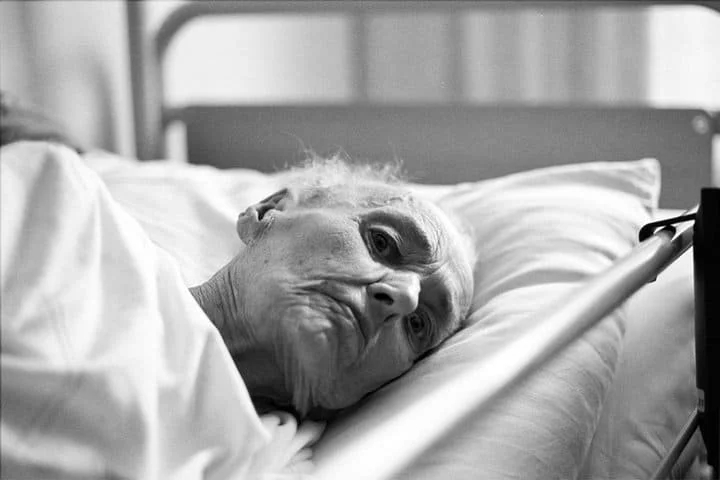
Hospitalizations appear to be more complex, requiring greater attention from the multidisciplinary team.
Article published April 15, 2022 on RACmonitor.com
As we know, with the growth of outpatient surgical centers, advances in medical technology, and the shift of payers’ understanding in what they will consider to be an inpatient episode of care have all impacted the hospital patient composition.
Hospitalizations are seemingly more complex, requiring more attention from the multidisciplinary team. Prior to COVID, the focus on long length-of-stay patients had been a known, standardized process; however, hospitals and thus case management programs, including our beloved physician advisors, are feeling new pressure in the “Why are they still here?” discussion. During our great staffing exodus, the beds may be available to the patients rolling through the emergency room and out of the surgical suites; however, there is limited staffing across the systems to care for them in all areas. Fewer nurses, physical therapy is overwhelmed by consults, and environmental services (EVS) folks have been leaving just as fast as nursing for better wages and less stressful employment. The crunch becomes a reality when hospital administration sees the pain points at the front end, with patients holding for a bed, and they attribute it to the back end, when they learn that patients are delayed from exiting because of limited post-discharge options and case management staff, who cannot seem to keep up with the new demands.
Although the focus looks at the front and the back, and yes, both are important to consider, it is just as important to consider the progression of care in the middle. On top of this stress of patients leaving, we examine the length of stay, and there is nothing more stressful to administration then to learn that a patient has been in the hospital for 100+ days and they are just finding out about it. These patients are like neon signs, adding to the already compounding issues of regular throughput and discharge concerns. However, they are different; they are complex, and an outlier to the typical movement of patients in and patients out. Thus, they require special consideration and special attention.
When evaluating metrics and length of stay/cost of care considerations (the great debate), recognize that complex cases should be separated from the herd. They will skew the data, and really should be treated and managed as a concern separate from regular throughput and cost efficiency issues.
Everyday Progression of Care
The everyday process of interdisciplinary rounds (IDR) or huddle is not complex case review. IDR is when a multidisciplinary team – ideally including case management, utilization review, a physician advisor or attending (depending on hospital configuration), and nursing, at minimum – quickly discusses patients on the unit to anticipate and gauge care needs, as it pertains to the progression of care towards discharge. Depending on the size of the unit and the location, additional team members may be helpful to include, such as physical therapy on the orthopedic units. Also consider pharmacy and dietary for ICU patients and medically complex units such as oncology. The complex residents of the hospital do not need to be discussed in this daily huddle unless there is any pressing news to report. There is not enough time, and the goal is to communicate the progression for all the patients who have not moved into the hospital.
Complex Case Review
Now, weekly, there is a bigger group that meets to discuss your complex patients. This meeting is typically an hour, depending on the size of the hospital. The name of this meeting, although often debated, really does not matter; it should be clearly understood, and the necessary people should show up prepared. Consider who is leading this meeting – likely it will fall to case management and the physician advisor. Invite stakeholders who will be helpful when quickly reviewing these cases and can escalate concerns and consider the hospital pocketbook for helping to get these patients out. The list for selection criteria can be individualized to the hospital’s needs. If you pull a standardized set of patients, such as patients with stays of greater than 10 days, or days 50 percent or greater than the geometric mean length of stay (GMLOS), be flexible and remember that you may need to adjust criteria to ensure that your discussion is meaningful and really focuses on the patients who require this level of review. Case management should also be coming to the meeting and highlighting patients who are still in the ICU and appropriately medically complex, although important information is not needed for this type of meeting. Also, those in the hospital who are under “outpatient in bed” or social admissions should be discussed immediately to ensure that the group is alerted early. We do not want to wait until these patients hit a report to start the conversation. Additional thought should also be given to discuss long length-of-stay observation patients if this is a growing concern.
As mentioned, case management is at the table, along with the physician advisor, utilization review, patient financial services, a therapy representative, and relevant nursing leadership. Also, a representative from behavioral health, risk, and/or the palliative care team should be on hand, if the hospital has these programs, as it may be beneficial. During the meeting, each person must understand their role. Each case should be presented concisely as to why the patient is still in the hospital, then a discussion of barriers and needed support from the team should ensue. This should be a dialogue with questions, not a report or an interrogation of the case manager.
During this meeting, there may be patients who require more time than the group has allotted. A clear leader of this meeting will need to call out to the group and say, “Let’s table this patient” or “This patient requires a separate care conference, and who should be involved?” These are the patients who may require involvement with the hospital’s legal team, outside resources, community agencies, the patient’s insurance provider, and/or family, if involved. Any hospital that wants to move these patients out will need dedicated time to discuss just this one patient. This is a separate meeting that requires dedicated attention and ability to review all options on the table. The hospital may even have to build that table!
The Complex Case Manager (CCM)
The CCM is of growing popularity to provide attention and connection to this patient population. The CCM is essentially a “super” case manager who has experience already working as a case manager in hospitals and has the right skill set and willingness to tackle just this population. They can provide the time to dedicate to this difficult caseload, and are able to build up relationships with outside agencies to help with such issues as guardianship, abuse concerns, or moving of assets to obtain long-term care benefits. The addition of the CCM can be huge to the department, to help take these patients off the rest of the case management team. However, this position is often developed from an internal candidate with the right skill set. It is very hard to fill externally, because finding someone to cover this population without knowledge of the appropriate resources is a larger lift, especially in the current job market. Additionally, this position is a hard sell from a compensation aspect, with hospital HR departments that do not have a benchmarking tool for this job description. It really requires some finesse to find the right person and have backing from leadership. However, if it works out, it is worth putting in place.
The complex patient population is a growing concern in case management programs across the country, and the nuances of what to do require creative options, dedicated time, and much energy from a multitude of stakeholders, in the hospital and in the community. To ensure that metrics are not skewed, this population should be removed from the standard data set and live in its own subcategory to highlight the variations between the regular progression of care and resource utilization performance. As the marketplace continues to shift, patient complexity is not going to go away, and thus, hospitals must be willing to adapt.