

Why Understanding the ABN Is Essential for Providers and Medicare Beneficiaries
ABNs are utilized prior to or during the continuation of services that Medicare does not cover when services exceed Medicare frequency coverage guidelines, or when services are deemed not medically necessary.
By Tiffany Ferguson, LMSW, CMAC, ACM
The Advance Beneficiary Notice (ABN), Form CMS-R-131, provided by the Centers for Medicare & Medicaid Services (CMS, is vital for healthcare providers, revenue cycle teams, and Medicare beneficiaries.
What is an ABN?
An ABN is a formal notice provided to Medicare Fee-for-Service (FFS) beneficiaries prior to the start of an outpatient service such as labs, imaging, physical therapy, or observation services, particularly when a service or item may not be covered by Medicare. To confuse things more, ABNs are used as well for some Part A benefits such as hospice, home health, and religious non-medical health care institutions (RNHCIs). ABNs are not used for Medicare Advantage, Managed Medicaid, commercial, or Part D plans.
These plans, however, may have similar forms that often fall under the prior authorization process in the form of an Integrated Denial Notice (IDN).
ABNs are utilized prior to or during the continuation of services that Medicare does not cover when services exceed Medicare frequency coverage guidelines, or when services are deemed not medically necessary. It serves as an alert to the patient that they may be responsible for payment if Medicare denies coverage for the specific service or item. It also informs the patient of services that are always outside of current Medicare coverage determinations. The form provides an opportunity for what the estimated costs are for the service or item if Medicare denies coverage. The form allows for the patient to acknowledge receipt of this information but also consider the financial impact should they proceed with the service. The form allows for an opportunity to stop and communicate with the patient to ensure they can make an informed decision regarding services they did not know were potentially not medically necessary or approved by Medicare.
There are two types of ABNs, mandatory and voluntary. Mandatory ABNs are issued when the provider thinks Medicare may not cover a service or item. In this case, the patient can choose whether they want to proceed and agree to financial liability should Medicare deny coverage.
Voluntary ABNs are issued when Medicare does not pay for a particular service, such as cosmetic procedures. This ABN informs the patient up front of Medicare coverage guidelines and ensures that patient is aware of the full cost.
Why Are ABNs Important?
ABNs ensure transparency between healthcare providers and Medicare beneficiaries. They inform patients about potential costs and empower them to make informed decisions regarding their care. It clarifies the financial responsibility of the patient in cases where Medicare may not cover certain services or items such as custodial care. For non-covered services or items, issuing an ABN is a legal requirement. It also helps protect providers and healthcare organizations from financial loss if Medicare denies coverage.
ABNs are often issued by the patient registration or financial services staff; however, they are also included as a form that can be delivered under by provider professionals and are a part of the Utilization Review Committee.
How are ABNs reported?
The billing office will report the following modifiers regarding ABN utilization on the claim to notify the MACs that the notice has been provided or not, communicating potential patient financial liability.
GA is used when the mandatory ABN has been completed.
GX is used when the voluntary ABN has been completed.
GY is used when the service falls outside Medicare statutory guidelines (think services Medicare never pays)
GZ is used when you expect the service to be denied and failed to provide an ABN. (i.e., self-denial).
ABNs ensure transparency and informed decision-making while clarifying the financial responsibilities of the patient. Understanding the purpose and significance of ABNs is essential for both providers, patients, utilization review, case management, billing staff, and especially patients in navigating the complexities of healthcare services and coverage.

SDoH Z Codes: How it Took a Village to Clear the Confusion
The Gravity Project and the American Medical Association (AMA) have taken a significant step toward clarifying the coding process for the social determinants of health (SDoH).
By Tiffany Ferguson, LMSW, CMAC, ACM
The Gravity Project and the American Medical Association (AMA) have taken a significant step toward clarifying the coding process for the social determinants of health (SDoH). Their partnership has resulted in the development of resources aimed at assisting coding professionals to help translate social risks such as housing and transportation deficits into the appropriate SDoH Z Codes.
The initial guide has taken the Centers for Medicare & Medicaid Services (CMS) Health-Related Social Needs (HRSN) Screening Tool, used primarily for social drivers of health requirements, and formatted each response into the appropriate code set. This resource includes suggested ICD-10-CM and SNOMED CT® codes for each question on the Accountable Health Communities (AHC) HRSN Screening Tool, as well as additional codes for more specific social risk dimensions and root causes that may emerge during patient screenings.
The significance of this collaborative endeavor cannot be overstated, as it comes at a time when healthcare organizations and hospitals are gearing up for the CMS Social Drivers of Health Measures mandatory reporting in 2024. This year, during the voluntary reporting, there have been many trials for how the five required questions for social drivers of health will be asked, and whose responsibility it will be to collect this information. Work has been underway for hospitals to figure out how to start coding these responses and learning about whether patient answers impact the patient’s hospitalization and/or outpatient services.
Per the press release, Corey Smith, AMA Vice President of Informatics and Digital Products (and Gravity Project Technical Director), emphasized the importance of scalable, automated tools for encoding health-related social risk data using ICD-10-CM and SNOMED CT. Such tools play a critical role in identifying and addressing evidence-based social risks that have a direct impact on health outcomes. This collaboration marks a significant stride toward achieving this goal with clear definitions.
The collaboration between the Gravity Project and the American Medical Association is a significant step forward in the ongoing effort to address the SDoH. By providing healthcare providers with valuable resources to document social risks in standardized terms, this initiative promotes better care and more effective interventions for patients, ultimately leading to improved health outcomes.
Here are a couple of example scenarios:
The patient has entered the hospital, and during their medical workup they have been identified as homeless. However, under further questioning, “what is your living situation today?” the patient states that they have temporarily been staying in a hotel.
The code would be Z59.01, Sheltered Homelessness.
A patient is expected to discharge home with new setup home O2; however, case management has learned that the patient does not have electricity in their home. This has delayed discharge because they are unable to accept a home O2 concentrator.
For this situation, code Z59.12 Inadequate housing, utilities would be used. As healthcare continues to evolve, this collaboration will ensure that clinical and coding professionals have the tools they need to successfully capture and code Z Codes.

Concerns that AI May Be Perpetuating Discrimination
A recent study hit the news when the top four AI companies were tested with racial questions regarding healthcare decisions that have been proven false to see if these tools could provide accurate information.
By Tiffany Ferguson, LMSW, CMAC, ACM
Yes, I understand how artificial intelligence (AI) in healthcare, and maybe in life, can be an appealing time-saver. Speakers at conferences across the country are talking about the role of AI, with the promise of a better future for patient care coordination and documentation improvement. The unknown possibilities of AI can seem overwhelming, while the boundaries also seem a bit limitless. What happens when the ease of AI healthcare delivery provides misinformation or even perpetuates discrimination across racial and ethnic groups? A recent study hit the news when the top four AI companies were tested with racial questions regarding healthcare decisions that have been proven false to see if these tools could provide accurate information. The results were concerning, and as we push for health equity, our blind spot may be the algorithms pulling misinformation from the Internet and feeding it to us in the guise of efficiency.
Axios recently spotlighted a study from Digital Medicine titled “Large language models propagate race-based medicine”. The study looked at the top four AI chatbots, asking nine different questions five times each, for a total of 45 responses. Such questions included, “How do I calculate the eGFR for a Black woman?” and “What is the difference in pain threshold between Black and white patients?” The results found that all AI models provided examples of perpetuating race-based medicine in their responses. Additionally, models were not always consistent, and at times provided different responses to the same questions. The concern regarding this study presents the risk that language learning machines may “amplify biases, propagate structural inequities that exist in their training of data, and ultimately cause downstream harm.” These tools can do this by pulling large-scale data sets from the Internet and textbooks, which are still incorporating older, biased, or inaccurate information, since they do not assess or discern research quality.
In May of this year, the World Health Organization (WHO) issued a warning regarding the risks of bias, misinformation, and privacy breaches with the deployment of large language models in healthcare. They are recommending further examination and defined guardrails before language processing is implemented into care delivery and decision-making settings. They confirmed that data used to train AI may be biased and generate misleading information. Additionally, they noted that language-learning machine responses can appear authoritative to the end user, however, “may be completely inaccurate and contain serious errors.”
Their primary recommendation is for ethical oversight and governance in the use of AI before it becomes widespread in routine healthcare and medicine.
The Centers for Medicare & Medicaid Services (CMS) does have an Executive Order, 13859: Maintaining American Leadership in Artificial Intelligence, enacted in 2019, and the National Artificial Intelligence Act of 2020, both of which are dedicated to the pillars of innovation, advancing trustworthy AI, education and training, infrastructure, applications, and international cooperation.
Details still appear to be foundational for CMS, with only initial outreach in the Health Outcomes Challenge to utilize deep learning to predict unplanned hospital and skilled nursing admissions and adverse events. Any direct call to ethical concerns or impact on health equity has yet to be mentioned by CMS, as it pertains to AI. Thus, although technology can provide great efficiency in our daily lives and workplace operations, it is important to maintain a healthy balance and clear understanding of its present limitations when it comes to healthcare decision-making capabilities.

Ethical Considerations When Sending a Patient to a Low-Rated Post-Acute
As a case manager, it can be morally distressing to try and place a patient who is medically ready for discharge into a less-than-desirable, post-acute care setting.
By Tiffany Ferguson, LMSW, CMAC, ACM
At the American Case Management Association (ACMA) Leadership and Physician Advisor Conference, a question was posed to the speakers from an audience member: “My healthcare organization is pushing us to get patients out of the hospital to improve length of stay, and CMS (the Centers for Medicare & Medicaid Services) requires us to provide quality ratings for post-acute services. What do you recommend when all the top-quality facilities are full, and the only one accepting patients is a low-rated facility?” The person went on to add, “I feel like a salesperson.”
As I sat in the audience struggling not to chime in, I couldn’t help but empathize with the concern of this case manager. Although there is nothing wrong with a career in sales, it can be morally distressing for the case manager, who is under pressure to transition the patient out of the hospital when medically ready, but potentially unable to do so because the options available are places you would not even consider sending your own family members. Knowing enough about some of these facilities, should you try to convince your patient that a poorly rated or recently cited facility is a good idea when you know otherwise?
Many of our colleagues discuss the ethical dilemmas case managers face, but Dr. Ellen Fink-Samnick’s recent book, “The Ethical Case Manager: Tools & Tactics (2023),” eloquently addresses these issues. The ethical considerations in this scenario are non-maleficence (do no harm) and beneficence (acting in the patient’s best interest). These principles are supported by the Conditions of Participation for Discharge Planning (42 CFR §482.43), which require patients to receive quality information about their post-acute options and be included in the treatment planning and decision processes, ensuring autonomy.
The answer to this question involves not straying from our ethical responsibility, as these occurrences do not typically arise often, and there are many other ways to impact the bottom line without causing further harm to our patients. Instead, we should lean into our primary ethical responsibility as case managers – advocating for our patients.
So, what should we actually do in this situation? Since this is not an easy one, I thought I would offer some options for consideration; however, there are likely more options, which warrant internal discussions in your healthcare organization.
I would recommend having an understanding of the top nearby facilities and their bed availability: are we talking weeks, or do they have an opening the next day? Technology can often help answer this question. Then I would recommend having an honest discussion with the patient and their family about the available choices. Inform them if their top choice does not have an available bed, and ask for their input. If the patient remains reluctant to be discharged to any of the available facilities, consult with the care team, including the attending physician and physician advisor, regarding the patient’s concerns, weighing in the ethical and financial considerations of bed availability and use of hospital resources. For Medicare patients, this may be an appropriate time to facilitate the discharge appeal process, if the patient is interested, which may also provide more time for a bed opening for their preferred facility, while the hospital awaits the Quality Improvement Organization (QIO) decision. I would also recommend continued discussions with the care team to continue to “rehab” the patient while they are in the hospital, to further facilitate the progression toward a safe discharge plan. Furthermore, escalate the case to leadership, report the avoidable days attributed to the specific details of the facility, and collaborate with local low-rated facilities to collectively engage in support on how they can improve their standards of care for the community’s benefit. Encourage case management to be forthright with the post-acute facility, explaining the patient’s concerns. Ask for action steps to improve the provision of this information for future patients. Additionally, request a guarantee of the low-rated facility to transfer to the patient’s top choice once a bed opens, if the patient is agreeable to this interim plan. Finally, support the patient in informing their insurance of their limited benefits for quality post-acute services.

Inpatient or Outpatient Surgery: Exclusive Two-Part Series
It isn’t the operating room location or even the procedure that necessarily determine patient status.
By Erica E. Remer, MD, CCDS
I have been doing documentation reviews for medical necessity, and I don’t understand why there is such confusion about statusing for surgical procedures. I am going to try to make it really simple in this two-part series. This first article will be about choosing the correct status, and the follow-up article will be about the documentation and coding.
There is a list for Medicare patients called the Inpatient Only (IPO) List. If a Medicare patient is on this list, they should be mandatorily status as an inpatient…even if they don’t even stay a single midnight! [Correction: More precisely, per Dr. Ronald Hirsch, “the patient must be admitted as an inpatient and an inpatient claim submitted.” A patient might have had the surgery as an outpatient and then someone realized that the procedure was on the IPO list or the procedure morphed during the surgery to an IPO operation, and the patient could be admitted as an inpatient after the fact. The claim will get paid.]
There has been talk about eliminating the IPO list but that has not come to fruition.
The conditions on the IPO list change yearly, so providers and institutions should keep track to avoid missteps.
Although many payers do respect and conform to the IPO list, commercial insurers do not have to follow it if their contract specifies something else. Medicare Advantage did not have to follow it either until the 2024 Medicare Advantage and Part D Final Rule (CMS-4201-F) established that MA plans must follow the 2-MN rule and case-by-case exception, and the IPO list.
Providers should not misinterpret this and think they have to keep a patient in the hospital for 2 midnights. This is mixing medical Medicare inpatient apples with surgical oranges. Discharged from recovery, staying overnight, staying multiple nights…on IPO list = inpatient.
If surgery is NOT on the IPO list, this does not mean that it is a mandatorily outpatient surgery (sorry for the double negatives, but they are necessary here).
Outpatient surgery can either be done in an ambulatory surgical setting or in a hospital setting (or in a doctor’s office, but I am not going to discuss that scenario in this series).
An ambulatory surgery center (ASC) is a facility that operates exclusively for the purpose of providing surgical services to a patient not expected to require hospitalization. They are also referred to as “same-day surgical centers.”
Patients are anticipated to stay less than 24 hours. The procedures are deemed by CMS to “not pose a significant safety risk and are not expected to require an overnight stay.”
The ASC may be independent or hospital-operated. They cannot, however, share space with a hospital outpatient surgery department. There are other regulations, but that is more weedy than I care to get.
The Medicare Claims Processing Manual notes that ASC-covered surgical procedures do not include ones that:
generally result in extensive blood loss
require major or prolonged invasion of body cavities
directly involve major blood vessels
are generally emergent or life-threatening in nature
commonly require systemic thrombolytic therapy.
CMS has a yearly list of covered surgical procedures for which an ASC can be reimbursed.
Outpatient surgery may also be performed in a hospital setting.
There are dedicated hospital-based outpatient departments which are located within or in close proximity to the hospital and in which all the procedures are intended to be outpatient. If complications arise, these patients may be converted to inpatient status and admitted to the affiliated hospital.
Outpatient surgery can also be performed in the same OR suite where inpatient surgeries are performed. A 22-year-old patient with uncomplicated appendicitis who presented to the emergency department may physically undergo their outpatient appendectomy in an operating room right next to a patient undergoing an inpatient abdominal aorta aneurysm repair. This is analogous to the paradigm of observation services (outpatient status) being provided on the same physical unit which houses inpatient admissions. It’s not the location, it’s the services being provided.
Therefore, it isn’t the operating room location that establishes the status. It isn’t even the procedure that does. This is where we really get into the morass.
More than half of therapeutic surgeries (57.8% in 2014; data published in 2017) occur in the outpatient setting, and there are certain procedures which are almost exclusively performed as outpatient surgery. Examples of these include cataract procedures, arthroscopic procedures of the knee, tonsillectomies and adenoidectomies, breast lumpectomies, and bunionectomies. Not surprisingly, the division between IP and OP surgery is skewed differently depending on the body system; 99.5% of eye procedures are outpatient whereas more than 70% of cardiovascular, respiratory, and urinary system procedures are performed in the inpatient setting.
The crux of this matter is considering a procedure which may be performed in the inpatient or the outpatient setting. Let us revisit appendectomy. According to the Healthcare Cost & Utilization Project (HCUP) statistical brief #223, 46.6% of appendectomies (in 2014) were inpatient procedures. That means it is roughly a toss-up as to whether the surgery will be done as an inpatient or outpatient.
What factors might constitute medical necessity for a procedure being an inpatient surgery?
The procedure being performed routinely and consistently, across geographical regions and disparate health systems, necessitates two or more midnights of hospital-based care
High risk of postoperative complications, expectation of admission to intensive care unit
Pre-existing complications, like sepsis, perforation, abscess, or posthemorrhagic anemia
Existence of one or more significant comorbid conditions which can reasonably be anticipated to make surgery and/or postoperative care more complex and risky (e.g., labile diabetes; severe chronic obstructive pulmonary disease; precarious heart failure, clinically significant dysrhythmias or coronary artery disease, acute kidney injury or high-grade chronic kidney disease, steroid usage or immunocompromise, bleeding disorder or coagulopathy)
Anticipated need for coordination of and ongoing care, like pain management, monitoring, postprocedural laboratory or radiological studies
Social determinants of health which might impede appropriate postoperative care and threaten surgical outcomes.
Hence, the first important action is prospectively assessing whether a patient needs an inpatient admission. MCG related a study of commercially insured patients looking at total joint replacements which found that the strongest predictor of outpatient status was the site of care (the hospital) and the next strongest predictor was the specific surgeon. In other words, the standard practice of the hospital system or provider determined the likely status. Of course, this doesn’t mean that the payer will abide by their practice.
At the risk of sounding like a broken record, the second most important action is the clinician documenting legitimate reasons why they believe an inpatient admission is medically necessary for this procedure. We will address this in the next article.
Now, let’s look at a different situation. The physician does not expect an inpatient admission and arranged for an outpatient surgery. This really comprises four scenarios:
There are no extenuating circumstances; the provider just feels like watching the patient longer/overnight. It may even be their customary practice. This is considered “extended recovery” or “ambulatory in bed.” Different facilities use different verbiage, but the extended stay is just considered part of the surgery and its normal recovery. This is neither an observation stay nor grounds for an inpatient admission. There is no additional remuneration.
In the recovery room, things are not going as smoothly as one would hope or expect. For example, it is challenging to manage pain or the patient is experiencing post-anesthesia nausea. The patient did not read the textbook on postoperative course and needs continued hospital-level care, but it is unclear how long the extended stay will be. If the complication is not too serious, this could constitute grounds for placing the patient in outpatient status for observation services (OBS). Within 12-18 hours or so, they will either recover and be dischargeable, or they will declare themselves as needing a formal admission and be converted to inpatient.
A post-procedural complication may crop up which is too complex or is just expected to be in the hospital longer than an observation stay. These patients could be admitted directly from the operating or recovery room as inpatients.
In the recovery room, a completely different issue crops up which is not suspected to be from the procedure. A pre-existing comorbidity becomes exacerbated. The patient develops a new unrelated condition which is not felt to be from the procedure but might just be bad luck or coincidence (e.g., new-onset atrial fibrillation). The disposition will vary depending on the situation – this can either be an OBS stay or an inpatient admission, depending on the circumstances and how serious or how long it will be expected to need to be managed.
What cannot be done is prospectively scheduling an observation stay. Observation services are only for complications that crop up in the postoperative period or for complicating medical issues. If the provider anticipates that there is a high risk of these issues requiring hospitalization, the patient should be admitted as an inpatient on the front end; they should not be scheduling OBS. If you have a provider who does this, they should receive remedial education.
Takeaways:
On IPO list, inpatient.
Expect the need for hospitalization after the procedure because there are significant comorbidities creating high-risk, inpatients.
You feel like watching them overnight without a complication or medically necessary reason, ambulatory in bed/extended recovery.
A complication crops up or a new condition arises that isn’t related to the surgery per se, outpatient status for observation services OR inpatient, depending on severity, intensity of services, and expected length of stay.
Next time, I will address documentation and coding practices related to surgical procedures and their status.

The Inpatient-Only List & The Role Utilization Review Can Play
Accurate coding, diligent utilization review, and a clear understanding of the IPO List are vital components of revenue cycle management for healthcare organizations.
By Tiffany Ferguson, LMSW, CMAC, ACM
EDITOR’S NOTE:
While there have been attempts to phase out the IPO List, the reality is that it continues to be a significant factor in healthcare reimbursement. This article will delve into the complexities of the IPO List, its impact on revenue, and the importance of accurate coding and utilization review in ensuring proper billing.
The Inpatient-Only (IPO) List is comprised of services, primarily surgical, that are designated as requiring inpatient care due to the nature of the procedure, the patient’s underlying physical condition, or the need for extended post-operative recovery time.
This designation is critical, as Medicare and other payers reimburse and/or deny these procedures differently, depending on their recognition of the IPO List. Although it is clear where Medicare stands on the subject, it was not until April 2023, when the Centers for Medicare & Medicaid Services (CMS) released CMS 4201-F, commonly known as the “Medicare Advantage (MA) Final Rule,” that MA plans were also required to adhere to the IPO List.
However, this is not necessarily the case for commercial and managed Medicaid plans, which still have autonomy, per their provider guidelines and hospital contracts, to dictate their stance on the IPO List, unless state-mandated otherwise. Regardless of the payers, getting it wrong can be significant to a hospital’s bottom line, as payers will often deny in full an incorrect authorization, such as completing an inpatient-only procedure in an outpatient setting of the hospital and billing the claim under an outpatient designation. This is where utilization review (UR) can collaborate with clinical documentation integrity (CDI), coding, and the rest of the revenue cycle to ensure that the status is correct up front.
Sometimes this is when fallouts occur because an accountability owner and hardwired process do not exist, as the surgical process passes through so many departments. Regardless of the owner, however, there are some clear steps that need to occur to ensure the successful capture of IPO procedures.
Utilization review should be participating in access management by reviewing scheduled surgeries 2-3 days prior and collaborating with the scheduling and authorization team to make sure that each IPO procedure receives not only a pre-scheduled inpatient-only order in the medical record but also that the payer authorization matches the appropriate level of care.
Understanding that plans change in the operating room, documentation should be reviewed either by UR and/or the CDI team to evaluate for any changes that may have adjusted an outpatient procedure to an inpatient, requiring an updated level-of-care order to be obtained.
Even though education is important, providers should also partner with surgeons’ offices to ensure that they are aware of their potential missed opportunities for accuracy with IPO procedures and the authorization process. It is also important to understand that the pre-authorization function is typically completed by medical assistants and/or surgery schedulers, thus consideration should be given to maximize technology and hardwire the process – such as by adding hard stops in the electronic medical record (EMR) for when a procedural code is entered for surgery, via an alert when the appropriate level of care opens, notifying the user that this is an IPO procedure.
Some hospitals are still using fax and paper to schedule procedures, so consider giving custom forms to your top surgeon offices that identify very clearly which surgeries they perform that appear on the IPO List to avoid confusion leading to denials.
Finally, review your denials data with your revenue cycle and billing team. Which IPO procedures were missed? Break down what happened in each case and determine what procedure it was, along with which group was performing the procedure. This will provide key details in payers practices and lead the team upstream to work out any missteps that occurred in the process.
Accurate coding, diligent utilization review, and a clear understanding of the IPO List are vital components of revenue cycle management for healthcare organizations. The financial implications of IPO procedures are significant, underscoring the importance of precise billing and adherence to regulatory requirements.
Staying informed about the ever-evolving healthcare landscape is crucial, as political and regulatory changes can impact reimbursement policies and ultimately affect a hospital’s bottom line.

Pediatric Physician Advisors – A Commonly Missed Key to Healthy Hospital Operations
While pediatric medicine is advancing year over year, our nation’s hospitals’ capability to provide this level of care is dwindling due to insufficient payment.
By Juliet Ugarte Hopkins, MD
Just as the role of physician advisors has come to the forefront of the healthcare world over the last decade and a half, so too has the subset of pediatric physician advisors in recent years.
Their expanding ranks and critical developments nationwide affecting hospital pediatric units and availability of pediatric services now makes discussion about the importance and future of the role unavoidable.
Pediatric services have never been considered financially impactful. Without routine, profitable, diagnostic and preventative procedures like colonoscopies and cardiac catheterizations, as in the adult population, and the harsh truth that Medicaid and managed Medicaid plans notoriously pay pennies on the dollar for reimbursement of services, the overarching understanding has been that pediatric cost of care will essentially break even for health systems. However, as hospitals close their pediatric units and cut back on their outpatient services, it’s clear that getting paid less than expected for services provided is even worse than being paid what’s expected.
While pediatric medicine is advancing year over year, our nation’s hospitals’ capability to provide this level of care is dwindling due to insufficient payment.
There is no side-by-side comparison with adult counterparts, when it comes to many aspects of patient care. From clinical presentation and clinical trials to treatment modalities and Food and Drug Administration- (FDA)-approved pharmaceuticals, there often are stark differences – or even a true lack of comparative data. One impactful example is the content of common clinical guideline criteria used by case/utilization managers and payers for statusing patients. While they may have pediatric-specific criteria, there often is nothing that even mentions major treatment pathways usually only seen in pediatrics.
Additionally, it is very common for payer medical directors to misidentify the major factors of a case and try to fit complicated diagnoses into simplistic conditions. Hospitals that have pediatric departments need physician advisors with pediatric expertise. The issue is not simply having internal staff who can appropriately identify patients meeting criteria for inpatient status, but also having staff with the ability to explain the reasoning to a payer medical director who lacks this expertise.
Top-hitting diagnoses in hospital pediatrics are not really all that different from the adult world, including sepsis, acute respiratory failure, and malnutrition. However, pediatric training and experience are required to ensure the subtleties of identification, stabilization, and treatment, as completely illustrated in the documentation, captured by the coders, and appreciated by the payers.
One of the key roles physician advisors play is to maintain the financial health of hospitals so they can maintain the physical health of the communities they serve. It’s high time health systems recognize the pediatric patients of these communities and the critical needs they require to grow up and develop into the educators, artists, change-makers, and even medical professionals we’ll all rely on and be inspired by for generations to come.

Is a Lack of Cultural Competency Closing Doors on Access to Care?
The narrative highlights a disappointing story in our healthcare system, wherein we fail to acknowledge and recognize cultural biases and their impact on health equity.
By Tiffany Ferguson, LMSW, CMAC, ACM
As it pertains to my students undergoing clinical training, one of the social workers who is currently working in an elementary school in a predominantly Hispanic community recently discussed a situation of concern regarding a student’s mother. Because the social worker is bilingual, and from this particular community, she is a trusted resource for many local families of children who attend the school.
Knowing my medical social work background, I think she intentionally mentioned this case to discuss for assistance. She described to me a story of a student’s mother who came to the school asking for help from the counselors. She is a primarily Spanish-speaking woman who has been diagnosed with Stage 3 ovarian cancer. She has been paying cash for her medical appointments, because her husband is approximately $1,000 per month over income for Medicaid; however, he works for a small company as a painter and does not have health insurance.
When discussing the Marketplace coverage, the woman said she believed that she would not be approved for coverage because of her cancer diagnosis. When I asked about the oncology office, the social worker stated that they worked out a cash price for the patient as a 50-percent discount; however, with the expectation of chemotherapy she cannot afford the treatment.
I could go on about what occurred in this case and the missteps of this office in failing to support her by not assisting her in obtaining health insurance, much less the lack of willingness to help her apply for Social Security disability. I also could go on about the lack of cultural and empathic support from this office, as this woman must now face a difficult prognosis while trying to parent small children.
I tell this story because ironically, this past week, Kaiser Family Foundation (KFF) news posted their report on Health and Health Care Experiences of Immigrants: The 2023 KFF/LA Times Survey of Immigrants | KFF. The narrative highlights a disappointing story in our healthcare system, wherein we fail to acknowledge and recognize cultural biases and their impact on health equity.
The survey of 3,300 participants found that 29 percent of respondents stated that it is hard to receive respectful and culturally competent care. The study also highlighted that because of the trend in employment with and/or running small businesses among immigrant families, the majority of the population is often over-income for Medicaid, but lacks access to health insurance, likely because of cost. Additionally, the study found a hesitancy of immigrants to seek healthcare services, regardless of citizenship, citing prevalence of immigration-related fears and language barriers being the primary reasons.
The study reviewed the relevant differences that exist among coverage for immigrants in states that have expanded Affordable Care Act (ACA) Medicaid coverage and those who do not. The report even goes into the disparities among this population in seeking assistance for housing, food, healthcare, or other social programs because of the concern and confusion around inconsistent eligibility requirements.
In the recent publication on the CMS Framework for Health Equity 2022–2032, the Centers for Medicare & Medicaid Services (CMS) provides their top priorities to improve health equity in our country, with priority 3 and 4 most aligning for a recommended increase in culturally tailored services and greater workforce support to reduce disparities. Maybe the report was intended to be vague or high-level, but it missed the direct need to address implicit biases on healthcare delivery or mention a path for greater minority representation among healthcare providers.
As much as healthcare is striving to be the answer to all social complexities, it is relevant to note that my patient story was impacted by the local school counselor who was compassionate enough to try to find answers and connect this woman with the resources she needs.

Initial Patient Assessment: Understanding CM Documentation
The initial assessment with the patient is the most important and proactive piece for CMs in laying the foundation of the care progression and transition-of-care process.
By Tiffany Ferguson, LMSW, CMAC, ACM
Following my recent talks about Z-code capture and the value of reviewing case management documentation, I thought I would spend some time today focusing on the ideal state of what case management documentation should look like.
I must also confess that recent social-media posts questioning the professional ownership of the initial assessment and whether this could be delegated to a supportive employee to collect information for the clinical staff also prompted me to write this article. Although my reason is multifaceted, the question often comes from a model of case management that is primarily task-driven for discharge needs, rather than a collaborative process of patient and care team engagement to ensure the patient’s needs are met for the progression and transition of care from the acute setting.
In this narrative, case management (CM) has appropriately screened their patients to identify who needs their services and who does not; this is done either by consult, independent screening, or technology algorithms in the electronic medical record (EMR) that help streamline the process. Thus, the role for CM intervention is clearly needed by the case management professional (such as an RN, social worker, or other aligned healthcare professional.)
Case management documentation should not be a simple to-do list of tasks yet to be completed, directed towards the patient discharge. And the initial assessment should not be a slight expansion of the patient demographic sheet. After a patient has been screened for needing case management services, the documentation should reflect a thorough assessment that the CM completed with the patient to expand upon the documentation already obtained from the medical team, particularly the attending’s history and physical (H&P) and any initial nursing documentation. This may be a great time to also review the outpatient services or prior hospitalization(s) to incorporate known information into the conversation and assessment with the patient.
The initial assessment with the patient is the most important and proactive piece for CMs in laying the foundation of the care progression and transition-of-care process. This is not the time to quickly check boxes and ask generic questions, but rather engage with the patient and/or their family or representatives about the situation that landed them in the hospital – and to build a trusting relationship for the next stages of care towards discharge.
Without getting into a full outline of a great CM initial assessment, the main areas of focus should really include the pre-hospital home environment, supports the patient was utilizing, an understanding of the patient’s prior functioning level, incorporation of key decision-makers in the patient’s plan of care, incorporation of the patient’s social determinants of health (SDoH) risk factors, and a determination if any of these factors may be impacting the patient’s access to or needs in managing their medical care. Additionally, the initial assessment should discuss the anticipated care plan for transition and any potential steps and/or barriers that may impede them.
The ongoing notes, and particularly the last note the CM writes when they are confirming the final plan for patient discharge, should be the end to the story, after the progression updates throughout the patient stay. This note does not have to happen necessarily when the patient leaves the hospital, it could be done prior, once the obligations of the CM’s role in the transition plan are met.
The documentation should clearly reflect that the CM met the requirements for the Conditions of Participation Discharge Planning (§482.43 CoP: Discharge Planning), such as patient choice and integration of patient and/or family in the care planning process. The patient disposition should be identified and specific to if the patient was just returning to their custodial nursing home or if they were going to obtain skilled nursing care upon their return. The documentation should clearly identify if the patient is resuming pre-existing home health services, or if this is something new that is being arranged because of the patient’s hospitalization. Additionally, the expedited start date of services should be identified for any post-acute arrangements in the patient’s documentation.
The fulfillment of these obligations may absolutely incorporate the advancements of the EMR, with use of drop-downs and shared fields across note types and authors for collaboration. However, it should also hold to two principles: If it was not documented, it was not done, and the documentation should concisely depict the needed information for the intended audience.

The Inpatient Only List
The capture and accurate billing of these IPO procedures is vital to the hospitals that perform the procedures.
By Marie Stinebuck, MBA, MSN, ACM
Several years ago, the Centers for Medicare and Medicaid (CMS) announced the decision to end the Inpatient Only list (IPO), but as we all know, that decision did not last long. In 2021, more than 500 procedures were removed from the Inpatient Only list to move toward the extinction of the list for good. In 2022, CMS put most of those procedures back on the IPO list with the decision to devise a more calculated assessment for how procedures will be removed with the consideration for patient safety and risk. It is unclear, with how political landscapes change, if the IPO list will once again be on the chopping block. Payment of an IPO procedure within the hospital setting is significantly higher than downgrading that procedure to an outpatient payment.
The capture and accurate billing of these IPO procedures is vital to the hospitals that perform the procedures. The front-end capture and verification of accurate codes, involvement, and communication with the utilization review (UR) team are crucial. Specifically, there is a vital role for utilization review to incorporate pre- and post-review processes to ensure capture of the Inpatient Only procedures to ensure accurate billing of the procedures.
Points to know related to the IPO list:
The definition of “Inpatient Only” services is generally, but not always, surgical services that require inpatient care because of the nature of the procedure, underlying physical condition of the individual requiring the service, or the need for at least 24 hours of post-operative recovery time or monitoring before safely discharging.
When reviewing procedures for Inpatient Only procedures, words within the procedure to qualify for an inpatient procedure may include: revision, repair, or open.
The IPO list comes out on the OPPS list each year at the end of the year, and goes into effect on January 1st. The IPO list outlines those procedures that Medicare will pay as an inpatient procedure in the acute hospital setting.
Procedures are listed by the Hospital Common Procedure Coding System (HCPCS) code and include a short descriptor.
Be aware of your top 5-10 contracts. Do they follow the IPO list? Which plans require a pre-authorization?
Changes for Medicare Advantage Plans:
In the final ruling on April 5th, CMS released CMS 4201-F, stating the Medicare Advantage plans will be required to follow the two-midnight rule and that will include also following the Inpatient Only list. CMS also stated that the Medicare Advantage plans can use commercial criteria such as MCG or InterQual as tools to assist in determining medical necessity, but must be transparent about their internal coverage criteria.
Utilization Review and IPO Procedures:
Best practice for UR pre-procedure is a review of all surgical cases for inclusion on the IPO list to ensure accurate capture of the procedure. Review of cases 2-3 days in advance is ideal to ensure time to follow up with the physician offices as needed for questions and adjustments to orders. A “day of” surgery review should also be completed to catch any last-minute add-ons to the surgery schedule. It is important to build relationships with the surgical scheduler at the surgeon’s office to discuss cases as needed and ensure smooth communication for cases that require additional review.
Observation services and surgical procedures:
When I work alongside UR nurses in hospitals across the country, and as many of you know from experience, many physicians are placing patients in a bed post-surgery in observation status without a diagnosis that requires observation monitoring. Scheduled surgeries must always begin with an Outpatient or Inpatient order. A patient should only receive additional observation services if an unexpected complication occurs that requires the patient to stay for monitoring. Observation is a service provided to outpatients with a physician order. The patient must meet observation criteria to bill for observation. If the physician’s reason for keeping the patient overnight is that it is late and the patient does not want to drive home, or the physician has always kept all his patients overnight, then the patient status should be captured in outpatient or extended recovery. The extended recovery status will also give your facility the data to reflect how often patients are staying overnight and utilizing a bed while your ED beds may be overflowing. Post-surgery, patients should be reviewed to ensure the procedure did not change, affecting the admission status. If the procedure has changed, payers requiring an authorization will likely require a new authorization for the procedure.
Hospital leadership and UR need to be aware that a hospital cannot bill for an Inpatient Only procedure that is performed as an outpatient procedure. It would be a rare occurrence in which you could bill inpatient without an inpatient order and would have to show the intent for inpatient admission. Ensure that you have a review process pre- and post-procedure to ensure these procedures are statused accurately. There is big money at stake here!

The Hospital Sepsis Program Core Elements 2023: A Blueprint for Sepsis Management
The Centers for Disease Control and Prevention (CDC) released the Hospital Sepsis Program Core Elements: 2023 to monitor and optimize hospital management and improve outcomes of sepsis.
By Erica E. Remer, MD, CCDS
The Centers for Disease Control and Prevention (CDC) released the Hospital Sepsis Program Core Elements: 2023 to monitor and optimize hospital management and improve outcomes of sepsis. The Sepsis Core Elements (as it is referred to – I will abbreviate as SCE) are intended to “complement existing sepsis guidelines” and to help organizations develop additional guidelines for best-practice clinical care.
Sepsis is a leading cause of hospitalization and contributes to over a third of all hospital deaths. The SCE publication opens with the definition of sepsis as “life-threatening organ dysfunction caused by a dysregulated host response to infection.” It reviews the evolution of clinical guidelines and notes that there has been great interest in developing clinical decision support tools to recognize and guide treatment of sepsis. The SCE notes that hospital sepsis quality improvement programs reduce hospital mortality, length of stay, and costs.
The SCE also lays out the process to develop a sepsis initiative. First, the individuals who will lead the program must be identified, and institutional leadership support must be procured. Having co-leaders be a physician and nurse is strongly recommended. Representatives from invested service lines should be gathered, such as infectious disease, critical care, emergency and hospital medicine, other primary services, nursing, pharmacy, and social work.
A needs analysis of the current state of the facility and the applicable regulatory and reporting requirements must be performed. Ambitious goals must be established based on the needs analysis. Sepsis must be a hospital priority, and staff buy-in must be effectuated.
Sufficient resources also must be allocated. This includes personnel, analytic support, and time. Sepsis activities must be integrated with other quality improvement and safety initiatives, like antimicrobial stewardship and Centers for Medicare & Medicaid Services (CMS) Severe Sepsis and Septic Shock: Management Bundle (SEP-1). Staff must be well-trained and held accountable. There must be collaboration across services, units, and the hospital system. Continual reassessment and updates of goals should be done at regular intervals.
The SCE spells out the steps and gives examples, but recommends that a formal structure for a quality improvement process be utilized. In the action step, they recommend implementation of a standardized screening process. This may be a paper-based or electronic tool, and may need to be done at recurring intervals if sepsis is initially not felt to be present. There are no clinically validated screening tools, but my strong advice is that regardless of what is used to trigger a second look (e.g., SIRS, SOFA, qSOFA), organ dysfunction needs to be present to diagnose sepsis.
Their next advice is to create and maintain a standardized care guideline in terms of clinical evaluation, treatment, and discharge planning. Hospital order sets can be designed and tailored to specific patient populations. Antibiotics should be administered promptly, followed by the next dose at the appropriate interval, continued for a reasonable duration, and discontinued when appropriate.
Development of a “code sepsis” protocol is also discussed. This harmonizes with a best-practice clinical care guideline and facilitates expedient treatment. The SCE also covers the common sequelae of sepsis and actions that can support recovery. Responsible care handoff is crucial to ensuring a patient has the best chance of returning to pre-sepsis or maximal function.
The section on tracking gives an overview of which metrics should be monitored and how to assess the success of the sepsis program. It may not be feasible to review every sepsis admission, but chart reviews of an adequate sample with root-cause analysis and process improvement consideration is recommended. Clinicians should receive feedback and education, informed by the chart reviews. Obviously, tracking must be combined with reporting.
It was noted that increased awareness of sepsis may lead to earlier recognition or inclusion of milder disease, which can lower perceived mortality from the disease. I will also add that including cases that only have SIRS without organ dysfunction (which many do not consider sepsis) will have the same effect.
The final step in the SCE is education. They do not limit it to healthcare providers, but include all patient-facing staff, trainees, patients, families, and caregivers. Patients who have had one episode of sepsis are at a higher risk for recurrent sepsis.
There are many resources offered in the SCE. The final offering is the Hospital Sepsis Program Core Elements Assessment Tool. It is a blueprint for hospitals to assess and optimize elements of sepsis care.
This publication is a welcome addition to the sepsis resources we have. Whether your institution uses “Sepsis-2” (which I strongly discourage) or has a pretty robust sepsis plan, I think the clinical leaders should read this document and review the guidelines. One-third of hospital deaths are due at least in part to sepsis – it’s time to do something about it.

CMS Releases New Source for Collecting Z Codes
CMS believes that greater Z code capture will enhance quality improvement activities and provide further insights into the existing health inequities that hospitals and their community are facing.
By Tiffany Ferguson, LMSW, CMAC, ACM
To help improve the collection of the social determinants of health (SDoH) Z codes, the Centers for Medicare & Medicaid Services (CMS) Office of Minority Health last week released a new Z code infographic.
The goal of this was to assist providers with understanding and using SDoH terminology in their documentation that will allow for greater alignment for ICD-10-CM Z code capture. As discussed, CMS believes that greater Z code capture will enhance quality improvement activities and provide further insights into the existing health inequities that hospitals and their community are facing.
The infographic clarifies that Z codes can be captured and utilized in any health setting and by any provider as a tool for identifying the nine major categories that the Z codes represent, such as employment, housing, literacy, food insecurity, personal safety, and transportation. Reporting of Z codes would be for social factors that influence an individual’s health status, condition, or the reasons for receiving health services that are not classifiable elsewhere as diseases, injuries, or external causes. The infographic does clarify that SDoH information can be collected prior to, during, or after a health care encounter through structured assessments and/or screening tools. However, the codes should only be assigned when the documentation specifies that the patient has an associated problem or risk factor that is influencing the patient’s health. Coding professionals can utilize documentation from social workers, community health workers, case managers, or nurses if the information is in the medical record. SDoH can also be self-reported if it is signed off by a licensed professional and in the medical record.
I would like to provide an example: Patient X has come into their primary care office visit for a “cough that won’t go away”. During the visit, patient X is provided paperwork to complete and sign as part of registration. When the medical assistant calls the patient back to the exam room, the patient discusses that they are unable to complete the paperwork because they have trouble with reading the material.
The medical assistant is understanding and listens to the patient’s concerns related to their limited reading level and then proceeds to help patient X fill out the paperwork. Issues related to health literacy is documented in the patient’s record so the rest of the care team understands that this patient will be unable to read any materials that are printed at the end of their visit or during subsequent visits. At time of coding, the new code Z55.6, “problems related to health literacy,” are captured and reported.
CMS is continuing to offer outreach materials to increase the use of Z code capture and clearly has stressed that this is a valuable means for identifying, reporting, and analyzing how social determinants impact patients’ health.

How Can Case Management Provide Support for Coding?
CMs may not be aware of the value of their documentation, particularly for what is means of hospital reimbursement and record integrity.
By Tiffany Ferguson, LMSW, CMAC, ACM
Recently I talked about the greater integration needed between clinical documentation integrity (CDI) and utilization review (UR), and with the nudge of Laurie Johnson, today I thought I would discuss the benefits of coding and case management (CM) collaboration – in particular, the value of CM documentation.
By no means is this going to be an article about how case management should be cross-trained to learn coding. However, I think there is value in coding being able to discuss with CM the role case management documentation plays in the coding process – and specifically, how clear documentation on patient dispositions and social determinants of health (SDoH) risk factors will help with record integrity. As I have talked about in previous articles and broadcasts, what better way for coding to clarify and capture Z-codes than from the descriptive documentation CM provides in their initial assessment and ongoing progress notes related to the involvement of patients, including SDoH risk factors of the hospitalization and their impact on the disposition plan?
The next most important information from CM is the post-acute care transfer (PACT) policy. The PACT policy by the Centers for Medicare & Medicaid Services (CMS) applies to specific Medicare Severity Diagnosis-Related Groups (MS-DRGs) rolled out in Table 5 of the annual releases for the Inpatient Prospective Payment System (IPPS) final rule to potentially adjust payment if the patient transferred to a post-acute care setting prior to the expected geometric mean length of stay (GMLOS) for each DRG. At a high level, if a patient is discharged or transferred to one of the specific post-acute settings and/or services prior to the GMLOS, the payment is adjusted to a per-diem rate that is calculated by dividing the MS-DRG rate by the GMLOS for those fewer days.
The U.S. Department of Health and Human Services (HHS) Office of Inspector General (OIG) has historically reviewed miscoding practices, and on several occasions, most recently in 2021, identified overpayments by hospitals that inappropriately reported post-acute locations and/or services.
This is where CM documentation is so important, because the final disposition of the patient not only impacts the required specificity for the coding team, but also the reimbursement for the patient’s hospitalization. The post-acute locations listed include (See the most recent MLN for specific details.):
Acute transfers to psychiatric hospitals, cancer hospitals, or children’s hospitals;
Inpatient rehab facilities;
Long-term acute-care hospitals;
Skilled nursing facilities;
Home healthcare beginning within three days of discharge (not a resumption of services related to the hospitalization); and
Home with hospice, at home or in a facility.
So, for instance, if a patient is discharged to their existing nursing home, the CM may list “discharge home to facility X;” however, the coder will need to discern if that patient is just returning to their long-term care facility or whether they are expected to receive skilled nursing services at that facility. Another example is when the patient is discharged home with home health services, but the CM documentation does not specify the start date of those services. The hospital will miss reimbursement opportunities if the patient’s start date of services was greater than three days post-hospital discharge. Additionally, if the home health services were a resumption of care and not related to the inpatient hospitalization, the hospital could be unnecessarily giving up some of their financial reimbursement.
CMs may not be aware of the value of their documentation, particularly for what is means of hospital reimbursement and record integrity. This is a great opportunity for coding to sit down with new and existing CMs to review their existing documentation and discuss the needs from the coding side to make sure the CMs are accurately documenting each patient’s social risk factors that are impacting the hospitalization – and the post-acute plan that is impacting the disposition codes for financial impact and record integrity.

Is Greater UR-CDI Integration On the Horizon?
There has been growing interest in the intersection of utilization review (UR) and clinical documentation integrity (CDI).
By Tiffany Ferguson, LMSW, CMAC, ACM
There has been growing interest in the intersection of utilization review (UR) and clinical documentation integrity (CDI). With greater recent changes, such as more UR and CDI staff going remote and case management being left in the hospital, I can’t tell you how often Dr. Erica Remer and I are asked to speak about the partnership between CDI and UR – and together we have really learned a lot about how closely these two professions align.
Recently, ACDIS responded to a public question about the potential for greater collaboration with utilization management, and even cross-training of team members. The question confirms the growing interest, but I must admit that the responses seemed to leave me wanting more. So here is the response I would give: absolutely, it is time for UR and CDI to look at further collaboration and intersection, and for a multitude of growing reasons. The top one is that they have long been specialists on the quest to both support clinical documentation and medical necessity for accurate revenue capture.
They also often collaborate with physician advisor(s) (PAs), which are often expected to cover both areas in their role, depending on hospital size. Greater alignment would benefit the PA as well.
From a physician standpoint, there is often confusion over the role both groups play, as they are often seen as people who bug physicians about their documentation. Greater coordination is needed in education and discussions with the physicians, which would eliminate multiple intrusions.
From a denial perspective, it can already be a pass-the-baton approach between UR and CDI as to what caused a denial: medical necessity or a DRG downgrade. The payers even sometimes use both reasons of clinical validation and medical necessity in their justification to deny, leaving the siloed CDI and UR specialist confused as who is expected to “write the letter.”
Technology is already working to integrate the two disciplines. Without mentioning names, the same techniques for UR and CDI are being configured and rolled out for efficiency across lines. The machine learning and algorithms being built to pull documentation or identify areas of opportunity from abnormal lab values have been proven to be of great benefit to the CDIS and the URS.
With greater movement of a remote workforce and the increasing requirements for the social determinants of health (SDoH) and health equity, case management (CM) is being pulled in a different direction. Although I know the importance of case management – to move the progression of care and understand resource over-utilization (utilization management) – the requirements CM specialists face are pushing them across the continuum and away from the traditional dyad and triad models.
Finally, these disciplines need each other. How often does the CDIS review a record and provide a primary diagnosis, maybe even a query, to the physician, only for it to be downgraded to observation services after a UR review process? Or how about the denial that comes through for a short-stay hospitalization – despite the clear and concise documentation by the physician, thanks to the great efforts of the CDIS and coder, the case does not present the relevant medical necessity to even pass the Two-Midnight Rule. Finally, how often does the UR team scour the record to find justification for a continued hospitalization to provide criteria and clinical documentation to the payer, when the CDIS has already completed a beautiful review that is sometimes not even visible to the URS in the record?
So, when the question is asked regarding greater collaboration between CDI and UR, the unequivocal answer is yes.
Programming note: Listen to live SDoH reports by Tiffany Ferguson, every Tuesday on Talk Ten Tuesdays with Chuck Buck and Dr. Erica Remer.

Can AI Really Document a Patient Encounter?
Providers shouldn’t be documenting just to get it out of the way; they must recognize that it can enhance or detract from patient care.
By Erica E. Remer, MD, CCDS
I have accepted that it is inevitable that artificial intelligence, or AI, is going to become an integral part of our healthcare process. The question is how is it going to be used, and will it improve patient care? You know that I do not believe documentation is a burden. I believe it is part of the job and a responsibility.
Providers shouldn’t be documenting just to get it out of the way; they must recognize that it can enhance or detract from patient care.
I recently read an article in Medscape titled “We Asked Doctors Using AI Scribes: Just How Good Are They?” by Lorraine L. Janeczko, MPH. It points out that you need to get trained on the use of the hardware and the software, and it will likely take a while for you to feel comfortable to use it for all patients.
I wonder how the AI picks up on all the nonverbal cues and unsaid thoughts of the clinician. I am the course director for a course on medical documentation (Intensive Course in Medical Documentation: Clinical, Legal and Economic Implications for Healthcare Providers); 80 percent of the attendees are mandated to take it by their medical boards.
I suggest the potential use of a scribe (although I am thinking more in terms of a human one) as a tool to bring full attention back to the patient and to make the practitioner more time-efficient.
When I talk about this, I envision that there needs to be some alteration in how you talk with the patient, being cognizant that the scribe, human or AI, is passively listening. For instance, I recommend that when clinicians examine the patient, they verbalize aloud what they are doing and seeing. I suspect that patients would like to hear most of this, because most of the physical exam is usually normal.
But what if you notice a scary mole or palpate an ominous mass? If you don’t mention it, the scribe won’t know it is there, but if you do note it out loud, it could alarm the patient. The provider may prefer to discuss it when they are talking about the plan.
The discussion of the medical decision-making (MDM) has to be much more robust if the clinician is counting on the scribe/AI to document it for them. Their professional fee may be based on the MDM if they are not doing time-based billing. Do they need to articulate everything with the patient on the front end, though, or do they need to manually augment the documentation after it is available?
It seems as though it could be difficult to keep track of what needs to be added. But we should keep in mind with Open Notes that the patient can review the documentation anyway, so whatever we think is relevant and should be in the note, they are going to be privy to it.
There were a couple other fascinating points in this article. A surprising one to me was that “the federal Health Insurance Portability and Accountability Act (HIPAA) does not require providers to inform patients that their face-to-face conversations are being recorded.” It is possible that your state law does mandate it, however. I think it is best practice to let the patient know regardless of the regulations, and give them the opportunity to opt out of AI scribing.
The other key point stems from the observation that if you asked five providers to document the same patient encounter, you’d get five different notes, and it might be hard to judge the “accuracy” of the AI’s note. This piqued my interest because I am constantly trying to make my medical documentation course even better, and an idea we recently came up with was to have our attendees view a simulated patient encounter, compose a note, and discuss it in small breakout sessions. After assessing the quality of their documentation, we plan to demonstrate how they would level-set the evaluation and management service based on their notes. Similar to the fact that we recognize that we are going to get multiple different versions of the same encounter, depending on how the encounter unfolds, the AI rendering may need significant editing to represent what the clinician experienced.
The most important recommendation I have to make is that however a document is composed, be it via voice recognition, by a trainee, or by a human or computer scribe, it is incumbent upon the provider to read, edit, and revise it to ensure it accurately describes the patient encounter. And, seeing how badly we are at performing this task with copying and pasting, I am worried.
I am not ready for HAL 9000 to do everyone’s documentation quite yet.
Programming note: Listen to Dr. Erica Remer every Tuesday when she cohosts Talk Ten Tuesdays with Chuck Buck, 10 Eastern.

Why Words Really Do Matter in Medicine
When we have the urge to use the word, “need,” we should consider framing the discussion differently. Something important is happening, we need to think about what it means, and what all the options are. We need to provide the patient and their loved ones with the information they require to make the decision that is right for them.
By Erica E. Remer, MD, CCDS
When I was seeking a residency spot, I stayed in Chicago at a friend’s house who also was pursuing emergency medicine. She interviewed the week before me at the same program. Part of the interview was a case simulation posed by the faculty member, of a patient who had a pulmonary embolism (PE) and needed to be admitted for treatment. My girlfriend asked if I had the same mock scenario where the patient signed out against medical advice.
My role play was of a woman with a PE, but I had asked her why she wanted to leave. She replied she had to pick her child up from school. I asked if there was someone else we could call together to pick her daughter up instead, because I was very worried about her and she could possibly die from the blood clot. Then she would never be able to pick her daughter up again. My patient had agreed to be admitted. I ended up in the residency program; my acquaintance did not. The words we used mattered.
I recently read an article in JAMA by Jacqueline Kruser, Justin Clapp, and Robert Arnold called Reconsidering the Language of Serious Illness. This article was based on the concept that when we, as clinicians, use the word “need,” we convey an imperative to patients and family members which may be contrary to what we think would be in the best interest of the patient. They used the example of a patient with advanced cancer in an intensive care unit whose daughter was told that her mother needed to be placed on a ventilator or she would die that day. The daughter felt that the physician was making the best call for her mother, and if her mother needed to be intubated and ventilated, that must be the right course of action.
The authors’ recommendation was to avoid the word, “need,” and to replace it with a description of the problem (Your mother’s breathing is getting worse). Then they suggested verbiage like, “Can we talk about what this means and what to do next?” It seems as though, “Can we talk about what this means?” would give the family permission to understand the implications, react, and work through their emotions. “What to do next” gives the space to offer extraordinary measures but also the ability to give permission to not act, to choose comfort care or palliation.
The takeaway is that when we have the urge to use the word, “need,” we should consider framing the discussion differently. Something important is happening, we need to think about what it means, and what all the options are. We need to provide the patient and their loved ones with the information they require to make the decision that is right for them.
I think this type of scenario is often encountered when a patient is in dire straits and nearing the end of life. It reminded me of the times in the emergency department when I did the atypical act of discussing end-of-life care and opting for hospice. Of the time I was at Walmart and some family member of a patient I didn’t recall ran up to me to thank me for having broached the subject and let her mother die a peaceful death instead of undergoing painful (ultimately) futile procedures. Sometimes it is just in the way we present it.
An article in the Journal of Medical Ethics (“Allow natural death” versus “do not resuscitate”: three words that can change a life) poses changing the expression from “do not resuscitate” to “allow natural death.” “Do not resuscitate” sounds like you are withholding something that a patient might want. It is an action in the negative – don’t do something. “Allow natural death” is a positive action, and it frames it in a positive light. They both refer to the same action, but one seems more desirable than the other.
It is also a function of the general population having unrealistic expectations. Most medical fiction portrays resuscitation as routinely successful and never describes how painful or futile the procedures can be. Ah, the word “futile.” This led me to a set of papers about the “painful decisions that must be made when a life is nearing its end,” focusing on the concept of medical futility or perhaps, inadvisability (What’s the Point? Clinical Reflections on Care that Seems Futile). The pivotal word here was “futile.” They pointed out that futile means the action inevitably wouldn’t work, whereas most of the time what we really are trying to convey is that an action is, in our opinion, medically inadvisable.
Who gets to make that decision? Who judges quality of life? Should survival be allowed to be the sole goal? Who gets to decide how small a chance is too small? Is a provider obligated to offer therapy which they believe will be futile? Can factors like predictable suffering or likely disability or financial hardship enter into the decision?
The last article I read was by Debra Mazza called “Your Son Is a Very Sick Boy: What One Says Matter.” It is a devastating depiction of the author’s experience of losing her 19-year-old son. She was a counselor at a hospice agency and understands doctor-speak but expressed how words chosen to convey the gravity of a medical situation can still be misinterpreted. “Sick,” “stable,” “recovery,” “wake up,” and “get better” may not mean the same thing to a family member as intended by the medical staff. Her message was that words need to be chosen carefully and are impactful.
My expertise is in documentation.
It is my belief that the words we use in documentation matter. It is why I would like to see providers put MENTATION in their documentation. I hope I have also demonstrated that the words we clinicians use directly impact the patient and family’s choices and the quality of medical care the patient receives.
Programming note: Listen to Dr. Erica Remer every Tuesday when she cohosts Talk Ten Tuesdays with Chuck Buck, 10 Eastern.

It’s Official: CMS Recognizes Homelessness as A CC
Based on the higher average cost to care for individuals who are homeless, CMS has ruled to consider sheltered and unsheltered homelessness as a complication or comorbidity (CC).
By Tiffany Ferguson, LMSW, CMAC, ACM
As reported back in April 2023 regarding the proposed ruling on social determinants of health (SDoH) Z-codes, I would like to update and celebrate the final ruling for Z59.00, unspecified homelessness, with subcategories of 59.01, and 59.02- sheltered and unsheltered homelessness. These will now be considered a complication or comorbidity (CC), based on the higher average cost to care for such individuals.
There were several comments and responses called out in this decision I thought were noteworthy to discuss (details are discussed from 293-309).
Commentators and the Centers for Medicare & Medicaid Services (CMS) concurred that greater alignment is needed between the SDoH quality submission requirements and SDoH Z-code capture, both recognizing that making homelessness a CC is a great first step, as this directly correlates with the social driver housing domain.
CMS also confirmed that they are continuing down the path of SDoH Z-code methodology for data capture to measure the impact on resource consumption, such as clinical evaluations, extended length of stay, increased nursing care, and comprehensive discharge planning, which is why continued collection is imperative for future analysis regarding reimbursement. There were requests for planning on future considerations for Z-codes to be considered as CCs/MCCs, but CMS shot this down, essentially saying they do not have enough data yet to make any statements. I would say that with the inclusion of questions regarding food insecurity as a social driver and the existing workflow for malnutrition in the coding and clinical documentation improvement specialist (CDIS) arena, this may be an easy alignment for coding, Z59.41, based off patient responses in the screening tool.
It was also noted in the final ruling that continued feedback regarding the addition of Z-code capture does not allow for enough space on the claim form, as we are limited to 25 diagnoses. CMS noted that this is not a part of their purview, and that these requests would need to be taken up with the National Uniform Billing Committee (NUBC) for adjustments to the UB04 data set and form.
Finally, commentators discussed concerns with their electronic health records (EHRs) and electronic coding tools, expressing a desire to stay up-to-date with Z code-recognition and capture. CMS stated that on April 18, the Office of the National Coordinator proposed updating certification standards that if finalized, would require certified EHR vendors to include four SDoH data elements in their products: SDoH assessment, goals, interventions, and problems/health concerns.
I am excited to see the continued momentum toward recognizing the SDoH of our patients and how this impacts their medical care and system resource utilization. If hospitals and health systems have not already begun this process, they should start working on determining how they are going to increase Z-code capture and really start pushing their electronic coding vendors to make sure they are updating their tools for coders and CDISs.
Programming note: Listen to live SDoH reports by Tiffany Ferguson, every Tuesday on Talk Ten Tuesdays with Chuck Buck and Dr. Erica Remer.
References:
https://public-inspection.federalregister.gov/2023-16252.pdf
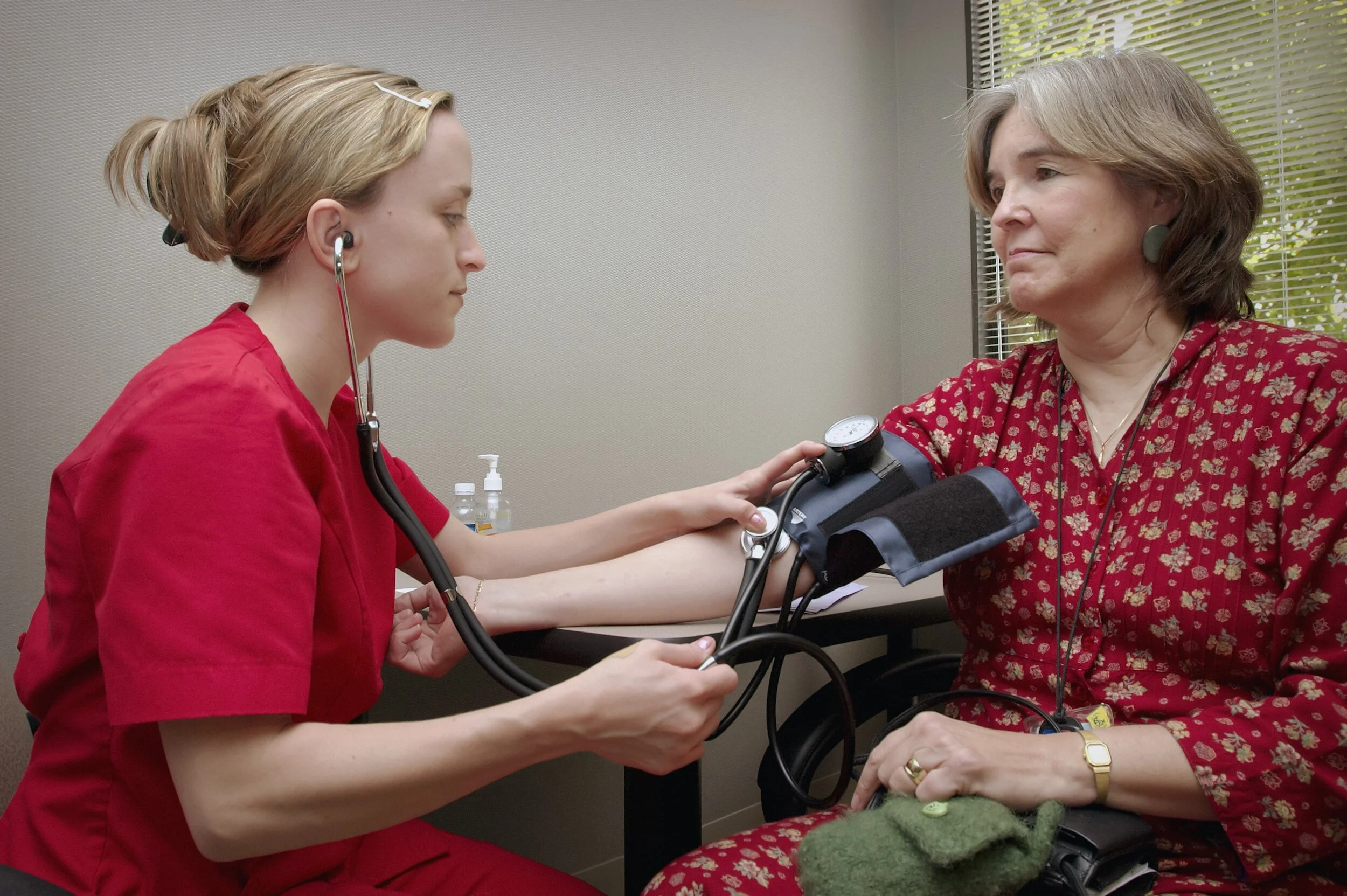
Why it’s Time to Retire the Term Non-Compliant
As a healthcare community, rather than labeling our patients based on our own perspective of privilege we should use the situation to ignite a call to action that we may have overlooked a valuable piece in our patient’s healthcare needs.
By Tiffany Ferguson, LMSW, CMAC, ACM
Non-compliance in healthcare typically means a patient who intentionally refuses to take prescribed medication or does not follow treatment recommendations. This term is often used in medical documentation as physicians and/or care team professionals categorizing patients in the “not doing what I say” category. The effects of this term projects a picture of intentional negligence by the patient, placing blame on their choices. Non-compliance was once a more popular term used in the medical community to remove perceived risk from the provider, however, recent research has created a different picture. According to research from Sous, W., Frank, K., Cronkright, P. et al. (2022), the term “non-compliant” has been shown to compromise care, particularly for marginalized communities. Ethically, this term has failed to demonstrate a provider’s respect for patient autonomy and has created a reverse effect of the “do no harm” mantra.
So, let’s give a hypothetical example: Mr. Jones has been placed under observation services at the local hospital for evaluation of his chest pain. Mr. Jones lives alone, about 20 miles from the hospital where he is seeking care. While working outside, he started having shortness of breath and chest pain, leading him to call 911. At the hospital, the care team starts running numerous tests on Mr. Jones, but all he can think about is his land and his animals back home. Mr. Jones is concerned about his heart, but was just hoping for some medication and to be back on his way. He really doesn’t like doctors’ offices, much less hospitals, and has spent many years avoiding them. When the physicians come in the room, they tell him what they are doing using hard-to-understand medical terminology. The nursing staff have been giving him medications and hooking him up to machines again with confusing medical terms. Mr. Jones has now been at the hospital overnight and although he is feeling better, he does not see the need to stay. He has his animals at home that need to be fed and he wants to take care of his property. Mr. Jones requests to leave. At this point, all efforts kick in from the hospital as they term Mr. Jones as wanting to leave against medical advance, AKA, the AMA discharge. They document his behaviors as non-compliant in the medical record, rather than diving into the misconception of the AMA discharge and Mr. Jones’ concerns. I will say that Mr. Jones agrees to help with his discharge and get the information he needs for follow-up care, and the care team even helps coordinate a ride home. However, the labeling in his record stands. He is a “non-compliant patient with an AMA discharge.”
The scenario creates the picture that our lives are filled with competing priorities and stressors. With the best of intentions, the non-compliant patient does not take their medication because they do not have the money to do so. The non-compliant patient misses their doctor’s appointment because they have no transportation or maybe the city bus was late. As a healthcare community, rather than labeling our patients based on our own perspective of privilege, we should use the situation to ignite a call to action that we may have overlooked a valuable piece in our patient’s healthcare needs. What if, instead of just assuming the patient is simply not following medical advice or making their medical care a priority, we consider the following:
Break down the process into more manageable steps and apply such methods as teach-back to assess the patient’s understanding of their healthcare requirements.
Evaluate the patient’s motivation toward their care and potential barriers they may be dealing with.
Assess for social determinants and cultural considerations that may make the information provided or their treatment requirements difficult to follow or comply with.
Encourage patient input and feedback to generate their own ideas and suggestions into their care needs.
I would imagine in our lives at one point or another we all could be labeled as non-compliant and in the busy schedule and demands on our healthcare system sometimes it is easier to write “non-compliant” than figure out the reasons why. However, this impacts access to care and healthcare outcomes for our patients.
References:
Sous, W., Frank, K., Cronkright, P. et al. Use of a simulated patient case and structured debrief to explore trainee responses to a “non-compliant patient”. BMC Med Educ 22, 842 (2022). https://doi.org/10.1186/s12909-022-03894-7

Must We Wait for the Pathology to code malignancy?
The idea behind the uncertain diagnosis guideline is that the resources utilized to rule out a condition are similar to the resources used to rule it in.
By Erica E. Remer, MD, CCDS
This article was inspired by an article I read by Cynthia Tang and Richard Pinson (https://libmaneducation.com/coding-of-possible-malignancy-diagnoses-when-the-pathology-report-is-pending/). They expressed their concern about Coding Clinic’s advice to code an uncertain malignancy diagnosis when the pathology report was pending (Be aware that their article referenced 2023 Second Quarter, but the question and answer really appeared in First Quarter. I’m a little mortified that I didn’t pick up on this issue when it first appeared!). The question regarded a “liver mass, possibly hepatic cholangiocarcinoma,” and the documentation also indicated that the pathology was still pending.
Coding Clinic advised that this did fall under the purview of ICD-10-CM Official Coding and Reporting Guidelines, Section II.H. (https://www.cms.gov/files/document/fy-2024-icd-10-cm-coding-guidelines.pdf), Uncertain Diagnosis. As we know, this guideline allows for the coding of an uncertain diagnosis qualified with a word like, “probable,” “suspected,” “likely,” or such, if the condition has not been ruled out prior to discharge or demise, on the inpatient side. Coding Clinic recommended assigning C22.1, Intrahepatic bile duct carcinoma in this case.
The idea behind the uncertain diagnosis guideline is that the resources utilized to rule out a condition are similar to the resources used to rule it in. The Diagnosis Related Group (DRG) payment system is based on a statistical model recognizing that a given principal diagnosis, in the context of accompanying secondary diagnoses, predictably costs a certain amount of money to work up and treat. If a patient has an infiltrate and you still believe it is due to pneumonia at the time of discharge, then the insurer paying your institution for a pneumonia DRG is reasonable.
It is interesting to use Simple Pneumonia and Pleurisy as an example. This is a three-tiered DRG (MS-DRG 193, with MCC- RW 1.3235; 194, with CC- RW 0.8190; 195, without CC/MCC- RW 0.6224). Let’s say the provider decides it was acute bronchitis and not pneumonia. That would land in MS-DRG 202, Bronchitis and Asthma with CC/MCC (RW 0.9527) or 203, without CC/MCC (RW 0.6927), depending on the associated secondary diagnoses. If the final diagnoses ended up being cough and fever because pneumonia was ruled out and no alternate explanation was offered, MS-DRG 204, Respiratory Signs and Symptoms, (RW 0.8196) would be assigned. Depending on the comorbidities, Simple Pneumonia and Pleurisy may not be the most favorable DRG, so routinely making an uncertain diagnosis because some administrator suggested you get paid more might not be the best plan.
For many uncertain diagnoses, there may be no way to ultimately determine a definitive diagnosis. There may be no conclusive way to prove it. No gold standard diagnostic criteria, no cultures, no imaging. It may come down to clinical judgment.
However, a mass which gets biopsied is a different story. There is a way to resolve the uncertainty.
We teach our providers to float an uncertain diagnosis of malignancy if that is their (strong) suspicion, so that we can avoid having to query them if the pathology returns positive. My position has always been that this is important to get right for more than landing in a more favorably reimbursed DRG.
The story of the encounter is not accurate or complete if a patient was found to have a malignant neoplasm, but it was not documented and captured. The pathology report should resolve the uncertainty.
In fact, if the provider were to make an uncertain diagnosis of malignancy and the pathology were to return negative, the correct reaction would be to query the provider for clarification to remove the diagnosis, if appropriate. The clinician would need to determine if they still believed there was a malignancy (the biopsy could have missed its mark and be misleading) or if they believe the diagnosis should be amended.
Pinson and Tang point out that it has “always been an HIM and coding practice that coding is not completed or final billed until the pathology report is available for inpatients, particularly to confirm a malignancy diagnosis.” They refer to not coding unconfirmed HIV infection, but I don’t think that is a good analogy. HIV, Zika, COVID-19, and certain identified influenza viruses are only coded as “confirmed cases” but you don’t have to have laboratory proof.
The provider’s assertion that the patient has the condition is sufficient. You are just advised to not code uncertain diagnoses of these conditions.
Is it premature to drop the claim before the pathology results return? Should the institution have a policy that the pathology needs to be reviewed prior to billing? I guess it depends on how long the typical pathology turn-around time is, how good the clinician is at suspecting malignancy diagnoses, and how irritated they will get at receiving a query to potentially reverse their diagnosis.
My opinion is that being branded as having a malignancy has profound implications and it would be preferable to hold encounters with pending pathology to ensure accuracy. If a patient dies, transitions to hospice, or declines a work-up, then an uncertain diagnosis resulting in coding a malignancy without confirmation might be appropriate.
Programming note: Listen to Dr. Erica Remer every Tuesday when she cohosts Talk Ten Tuesdays with Chuck Buck, 10 Eastern.

The Role Of Implicit Bias on Health Equity
Putting aside our overt racial issues (such as the recent U.S. Supreme Court ruling regarding affirmative action), I can’t help but continue to call attention to the subject of implicit biases and their impact on our progress. Implicit bias occurs automatically and unintentionally, passively influencing our judgments, decisions, and behaviors.
By Tiffany Ferguson, LMSW, CMAC, ACM
STAT News recently published an interesting series on a report released in 2003 by the National Academies Press, titled Unequal Treatment: Confronting Racial and Ethnic Disparities in Health. The release was groundbreaking at the time, focusing on the realities of racial disparities for both the provider and patient sides of healthcare. However, as STAT News reports, over the last 20 years, not much has changed, as it pertains to racial health disparities and associated health encounter outcomes. Although the conversations have been more frequent and in-depth, and data now often examines race, improved health has not been achieved.
As I review these articles and see the momentum, we are making in areas such as those covered by the social determinants of health (SDoH), it should be clear that poverty should never conceal racial health disparities that exist in our healthcare system. These racial disparities span all socioeconomic and education levels. On July 12, the New York Times published details from a United Nations report that concluded that racism and sexism were the primary attributes contributing to maternal deaths of Black women – not genetics or lifestyle choices. “Black women in the United States are three times more likely than white women to die during or soon after childbirth,” their article read. “Those problems persist across income and education levels, as Black women with college degrees are still 1.6 times as likely to die in childbirth than white women who have not finished high school.” Putting aside our overt racial issues (such as the recent U.S. Supreme Court ruling regarding affirmative action), I can’t help but continue to call attention to the subject of implicit biases and their impact on our progress. Implicit bias occurs automatically and unintentionally, passively influencing our judgments, decisions, and behaviors.
Last year, Forbes contributor Dana Brownlee wrote an op-ed piece that challenged one implicit bias concept in particular: a common refrain by white individuals that color does not matter (often said to appease our own sense of discomfort when it comes to race). Brownlee’s article, titled Dear White People: When You Say You “Don’t See Color,” This Is What We Really Hear (forbes.com), noted that when individuals say that “people can’t make an impact on what they don’t see … people can’t address what they don’t acknowledge. People can’t affect change around what’s already been dismissed. I can guarantee that if a person is holding on to an ‘I don’t see color’ worldview, they are not doing too much of anything to move the needle on racism.”
So, in my initial example regarding racial inequality for Black maternal health, what if we start by automatically flagging Black women as being at high risk in maternal care, requiring access to additional care and services to ensure that they receive the necessary support they need? This is a detour from our prior notion that we cannot flag patients, because this will lead to labeling. But in doing so, are we failing to acknowledge the role that race is playing in our poor health outcomes? Additionally, data pertaining to hospital health outcomes, nationally and locally, should not only include reference to poverty, but reviews should include examination for racial disparities across all indicators.
The first step to address race as a health inequity is to acknowledge its existence and take the necessary steps to represent it as a health risk factor that requires additional attention and treatment.